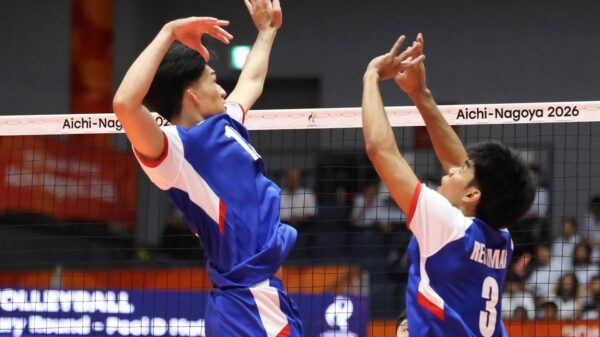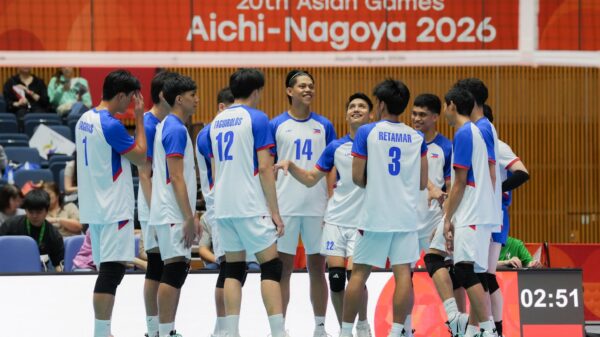



































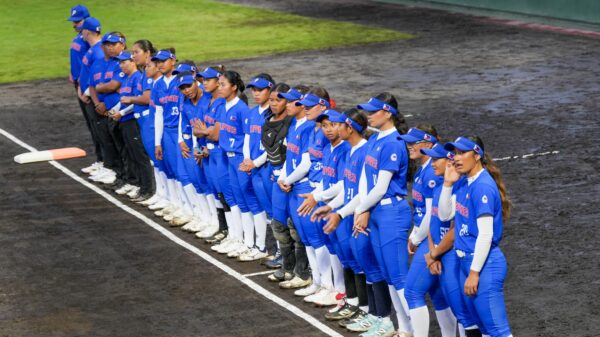


































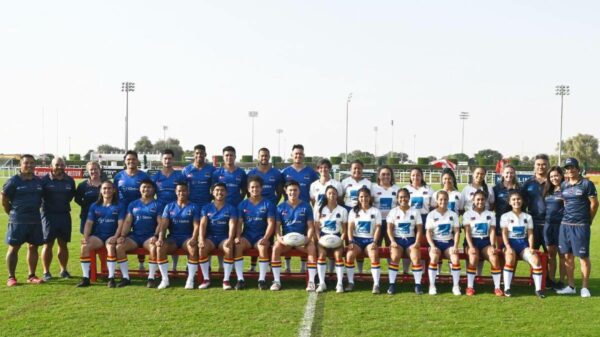
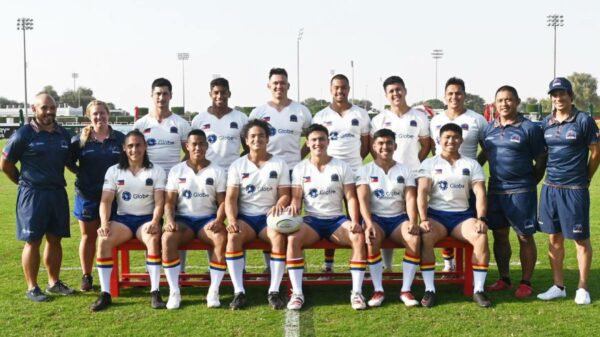
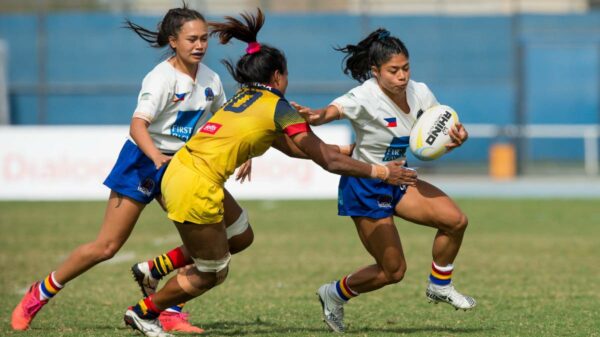



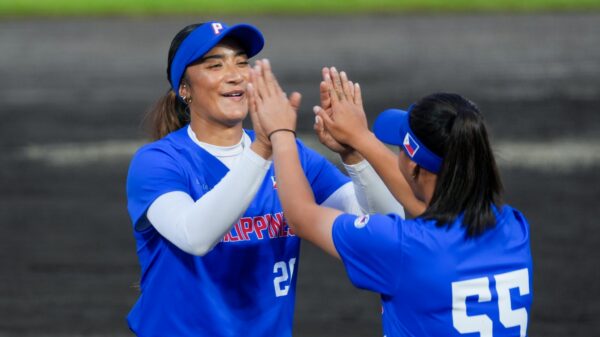






















Alas Pilipinas spent the year climbing heights it had never reached before.
From the indoor courts to the open sand, the program showed a steady rise throughout the year, with its men’s and women’s teams breaking barriers that had long defined the country’s limits on the international stage.
Breakthroughs on Both Fronts
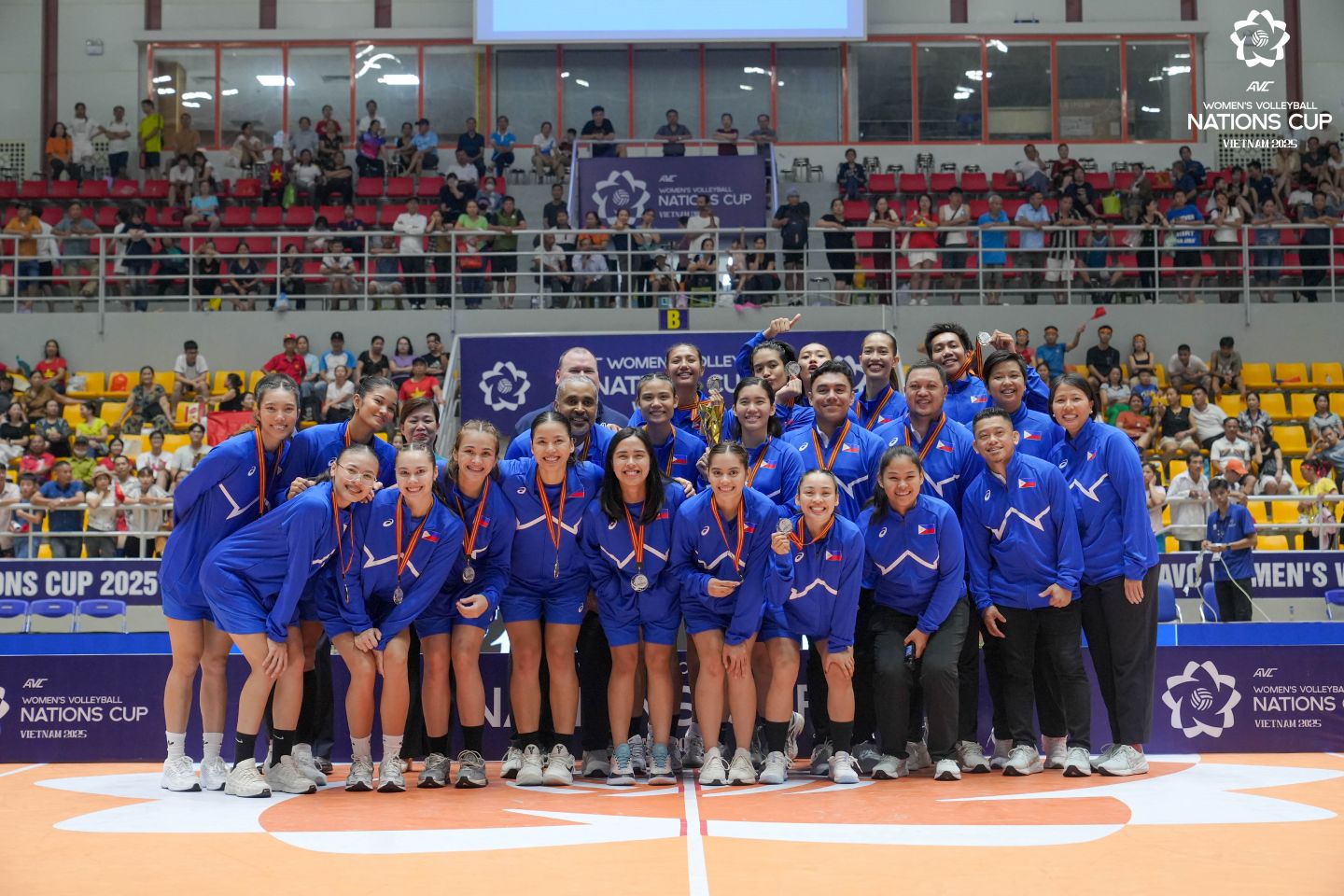
The ascent began on the women’s side, where the Jia De Guzman-led squad delivered a breakthrough that immediately reset expectations.
Alas Pilipinas Women captured a historic silver medal in the AVC Nations Cup — the country’s highest finish in any Asian-level competition — surpassing their bronze medal run in the same tournament a year earlier.
Riding that surge of confidence, the Filipina spikers followed it up with back-to-back bronze medal finishes in the Southeast Asian V.League, showing that the program’s progress was not just a peak moment, but something it could sustain across competitions.
As the calendar moved forward, the men’s team followed suit, beginning its own steady climb and producing results that further highlighted the progress and competitiveness of the national team program.
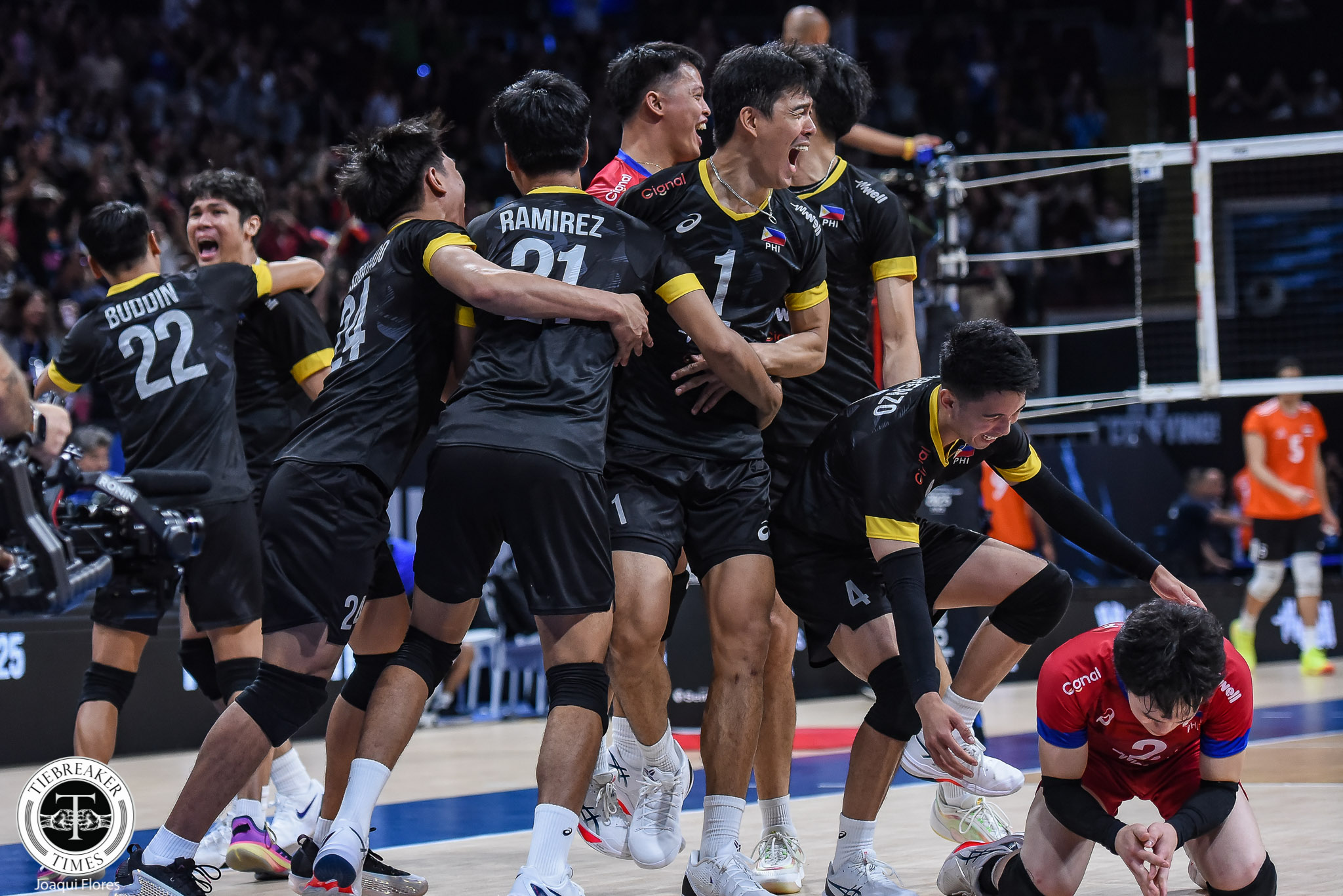
While its place in the FIVB Volleyball Men’s World Championship came through hosting, Alas Pilipinas Men ensured the opportunity was not wasted, finishing 19th out of 32 teams in the country’s first appearance on the global stage.
The Nationals didn’t just show up. They competed. They defeated African champions Egypt and pushed Asian powerhouse Iran to the brink, coming agonizingly close to advancing to the Round of 16 before a last-minute challenge overturned what would have been the winning point by Kim Malabunga.
That near-victory against Iran symbolized something bigger for the program.
It showed that Alas Pilipinas Men have the skill, composure, and heart to compete at a world-class level; that they can challenge established powers; and that the country’s rise in men’s volleyball is no longer a dream but a tangible reality on the global stage.
While the team didn’t get off to a strong start in the 33rd Southeast Asian Games in Thailand, eventually falling to the hosts in the semifinals, the Filipino spikers still ended the year on a triumphant note.
They claimed the bronze medal by defeating Vietnam in the third-place match, overcoming the disappointment of earlier setbacks and surpassing back-to-back fifth-place finishes in the last two editions. That performance solidified 2025 as one of the program’s most remarkable years in recent memory.
The bronze medal also served as a measure of consolation for Alas Pilipinas, coming after the women’s indoor squad fell just short once again in the biennial meet with a fifth consecutive fourth-place finish.
A Golden Finale to a Year of Milestones
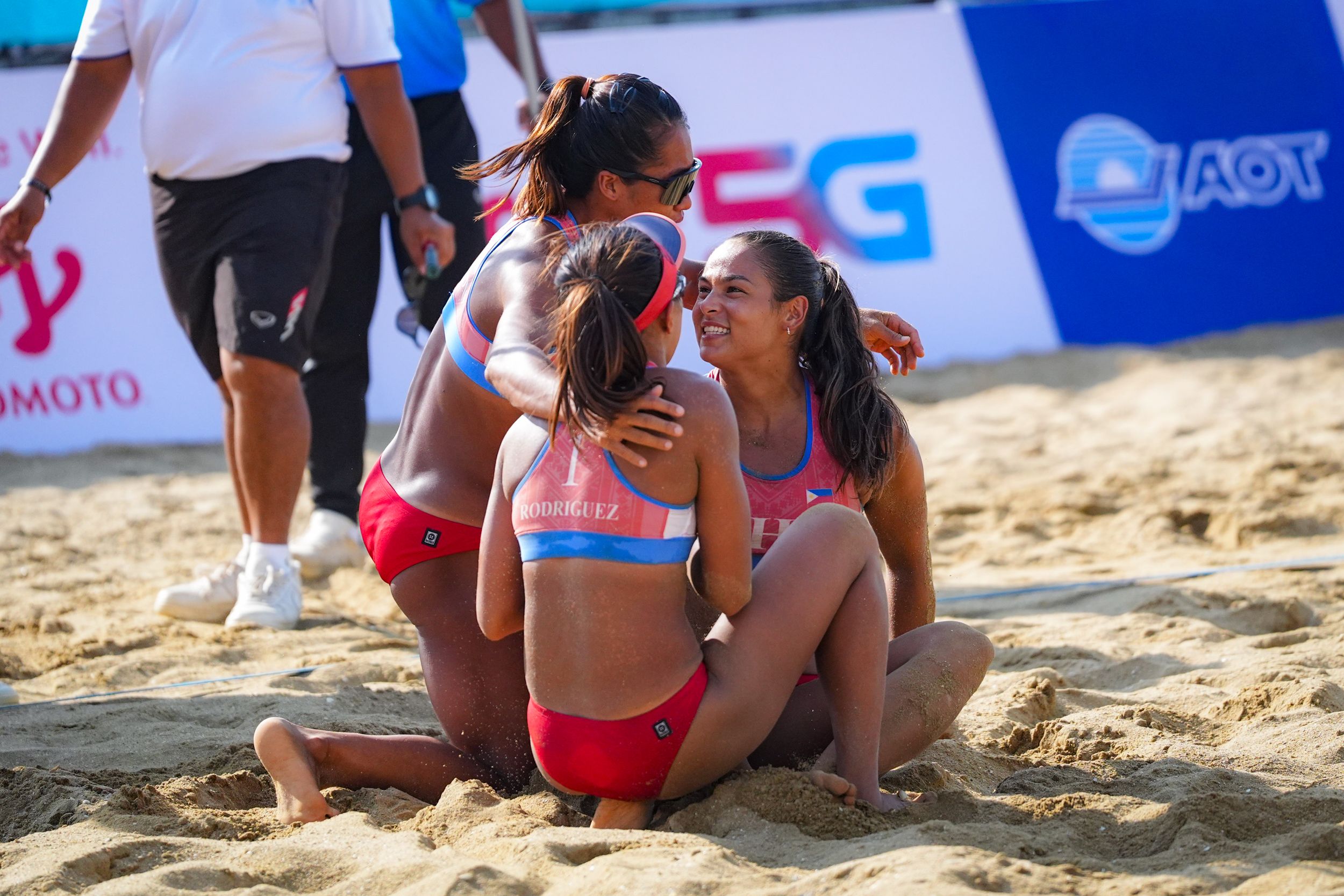
(C) SAVA
But the year wasn’t over just yet. The program had one more breakthrough waiting, a moment that would make 2025 truly unforgettable.
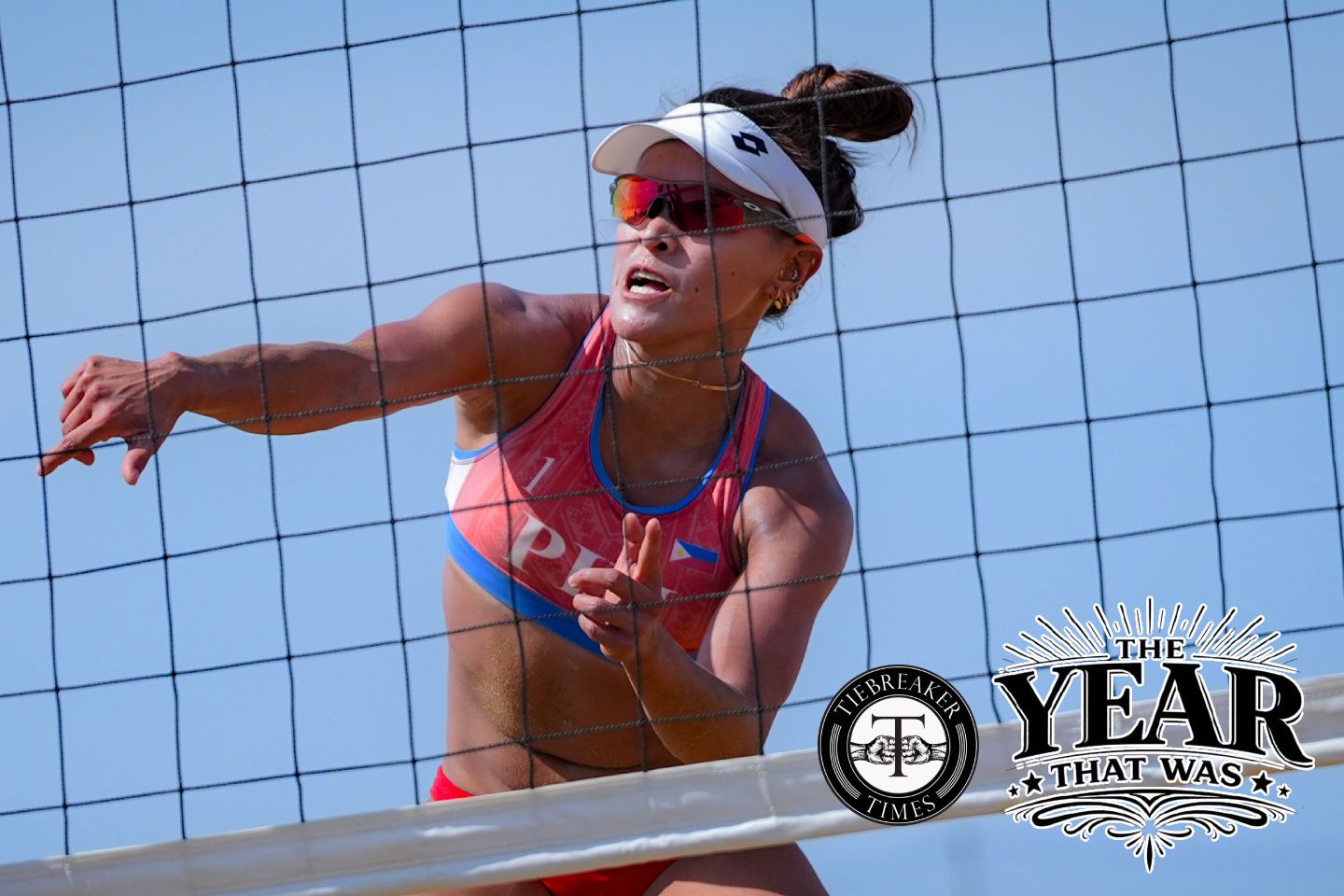
And that moment came 124 kilometers from Bangkok, in Chonburi, where the Alas Pilipinas Women’s beach volleyball squad ended Thailand’s dominance, claiming the country’s first-ever gold after the hosts had won all eight previous editions in what turned out to be one of the biggest storylines of this year’s SEA Games.
It was the perfect ending to a year of firsts and breakthroughs for the national team program. From podium finishes indoors to historic triumphs on the sand, Alas Pilipinas proved its capacity to rise, compete, and win against the region’s and the world’s best.
A Sport That Has Earned Its Place

There have long been debates about whether volleyball has begun to rival basketball in the hearts of Filipinos. Some argue that true validation comes only with international success, the kind basketball has long enjoyed.
But 2025 has shown that volleyball — driven by the steady breakthroughs of Alas Pilipinas, and, of course, bolstered by the success and support of the Premier Volleyball League and Spikers’ Turf under Sports Vision — is steadily reaching that level. Not through hype, but through measurable results and a growing sense that it, too, can capture the nation’s imagination.
The climb was not without stumbles, but the trajectory was clear: volleyball was no longer a sport merely trying to catch up, but one steadily announcing that it had arrived, and that it intends to stay.
Charting the Path Ahead
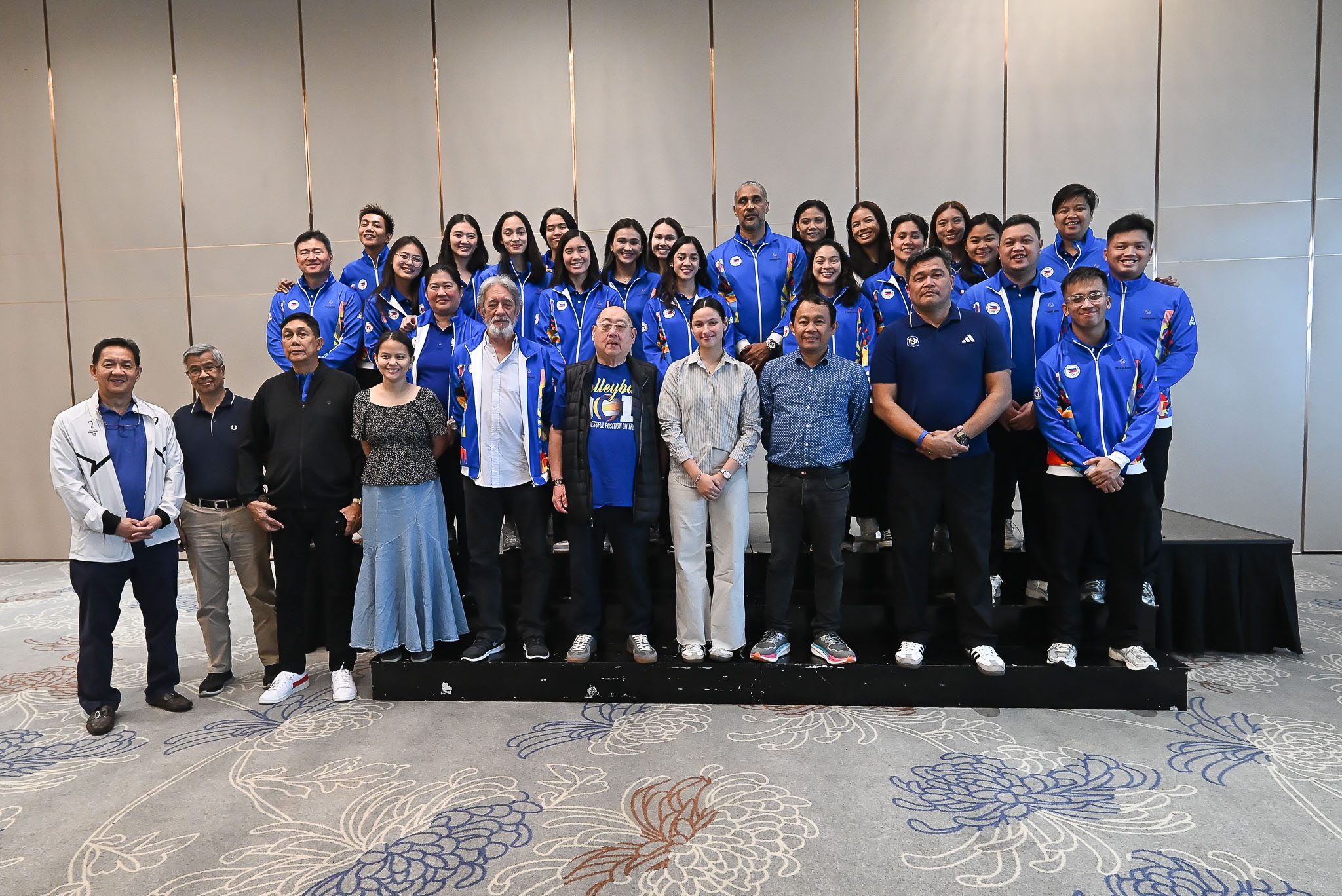
(C) PNVF
In a nutshell, this was a year when milestones no longer felt like accidents, but began to take shape as a clear direction — one further reinforced under the new Philippine National Volleyball Federation leadership, headed by President Anthony “Tony Boy” Liao.
With Liao at the helm, improved coordination between the federation and local leagues is expected.
This closer partnership positions the national team program for an even better year in 2026, ushering in a new era defined by clarity, collaboration, and the pursuit of sustained success on both the regional and global stage.
With a clearer path forward and stronger partnerships now in place, the year ahead promises to be a pivotal one for Alas Pilipinas, building on the momentum and milestones of the year that was.
The collaboration between PNVF under Liao and the PVL will be more important than ever, as the Philippines prepares to host the 2029 FIVB Volleyball Women’s World Championship, where they are aiming to at least match — or surpass — the performance of the men’s team in the recent world tilt.
Liao has already set plans in motion to strengthen the indoor men’s team, including extending Italian head coach Angiolino Frigoni’s tenure, as well as focusing the men’s and women’s beach volleyball programs around key players.
Now, the mission is clear: to ensure that Alas Pilipinas Women are ready to compete at the highest level three years from now, aiming for a performance that can build on the program’s historic rise in 2025.