










































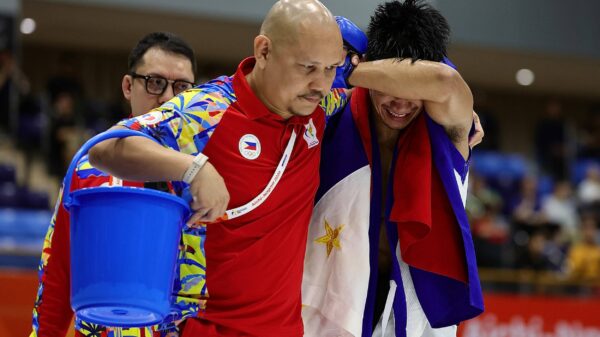
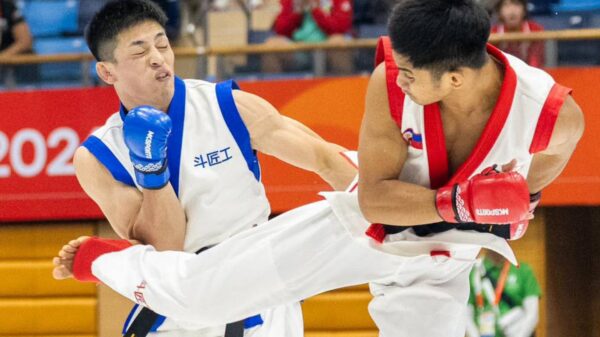

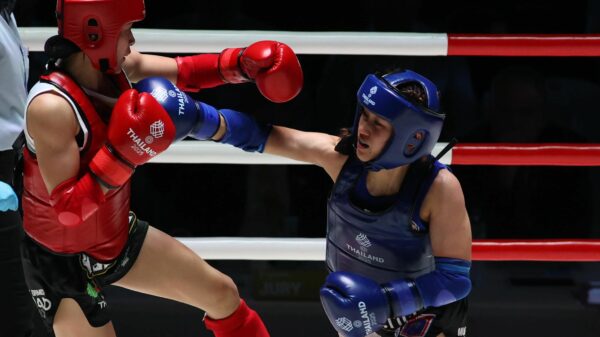

















The year 2025 was expected to be a transitional one for Philippine sports, marked by a change in leadership at the top government agency responsible for athletic development — the Philippine Sports Commission — midway through the year.
Yet under the capable guidance of both then-Chairman Richard Bachmann and current head Pato Gregorio, the transition proved seamless, ensuring continuity in the national program and delivering significant results at international competitions such as the Asian Youth Games and the Southeast Asian Games.
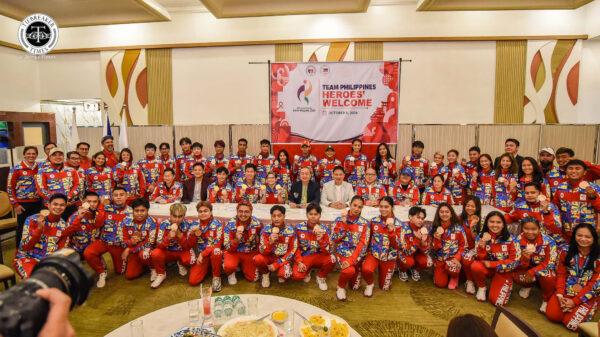
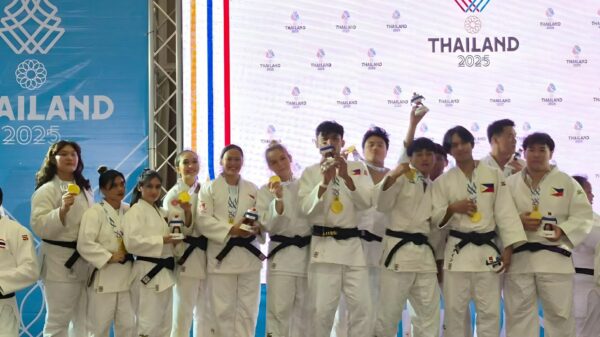
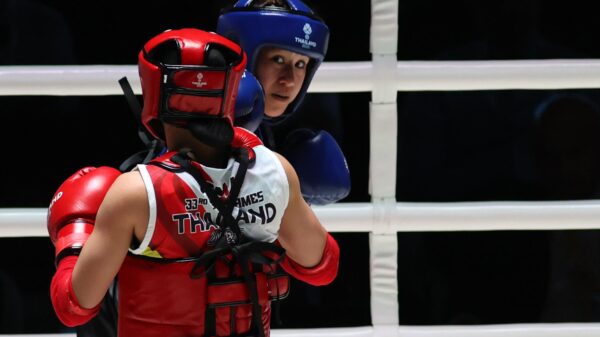
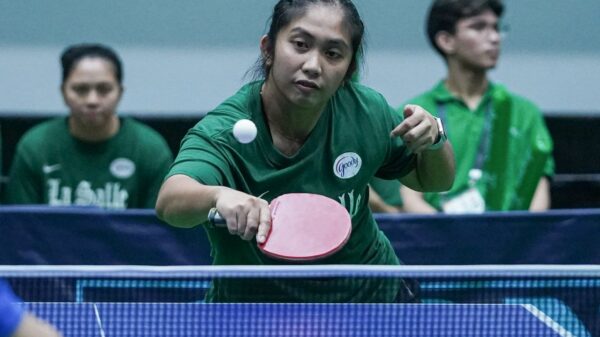
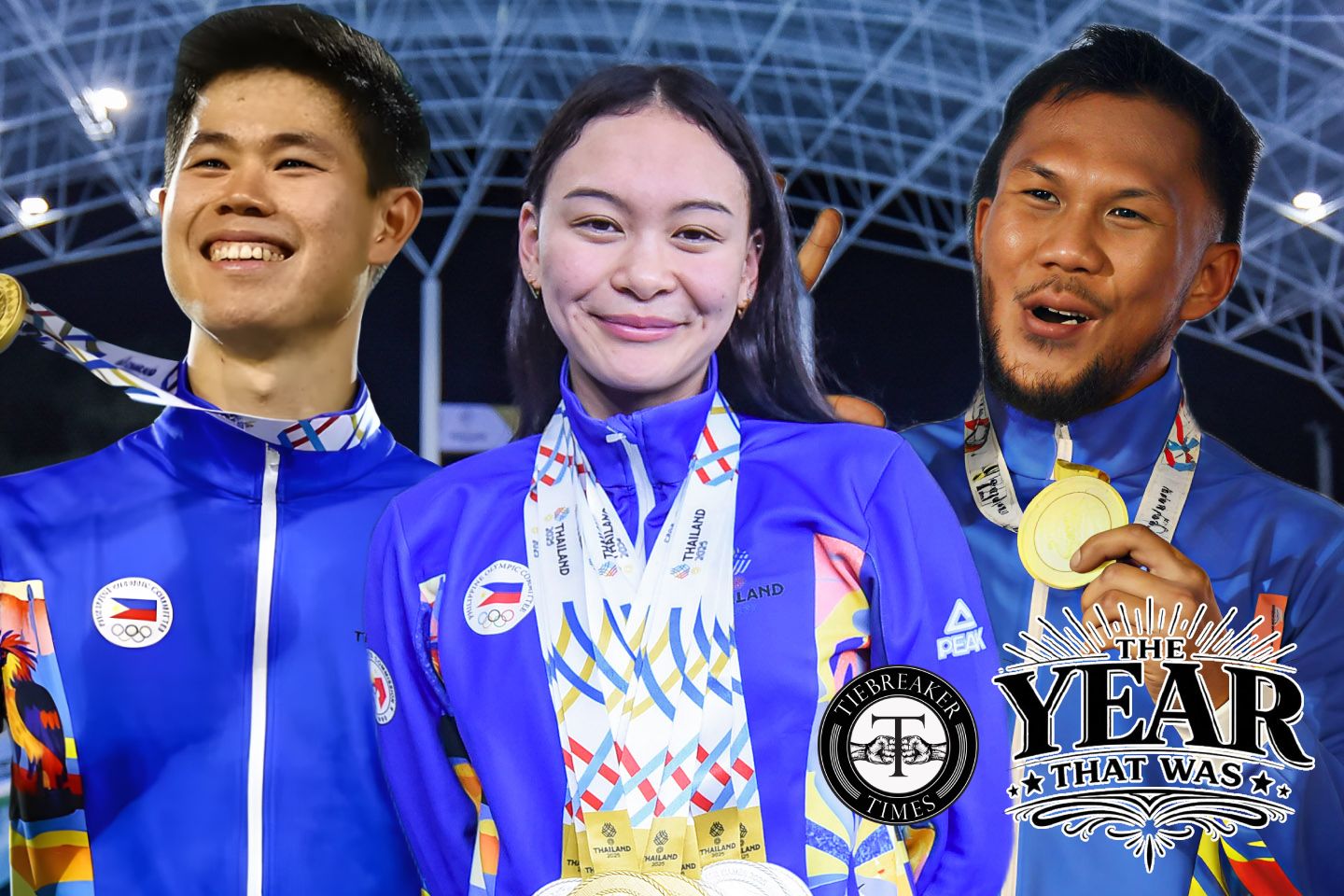
With support from the Philippine Olympic Committee, the PSC helped the national delegation secure a medal haul of 50 golds, 73 silvers, and 154 bronzes at the recently concluded 33rd SEA Games in Thailand, finishing sixth overall.
While sixth place might not sound extraordinary, for Gregorio, it was a meaningful success, as the Philippines excelled in “sports that matter” — Olympic disciplines.
A report from VN Express highlighted that the Philippines, alongside Singapore, was one of only two countries to win 70-percent of its gold medals in Olympic sports.
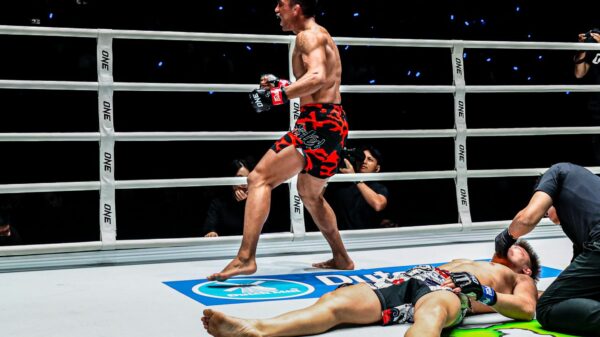
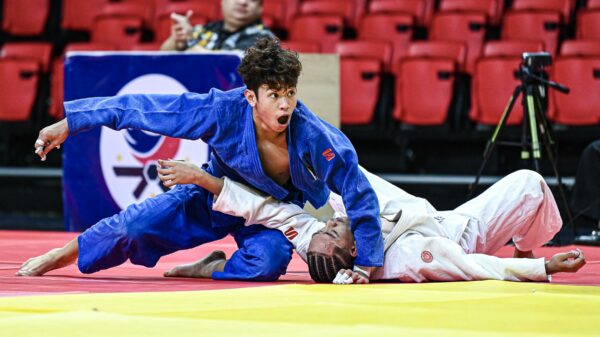
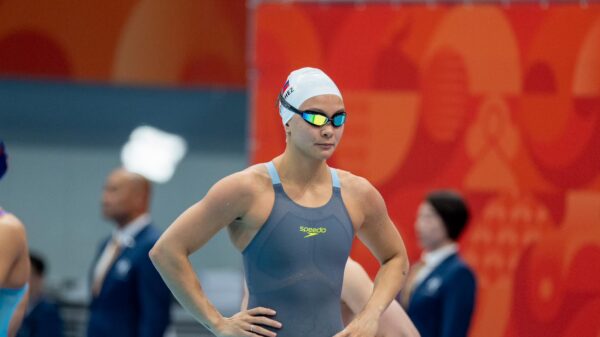
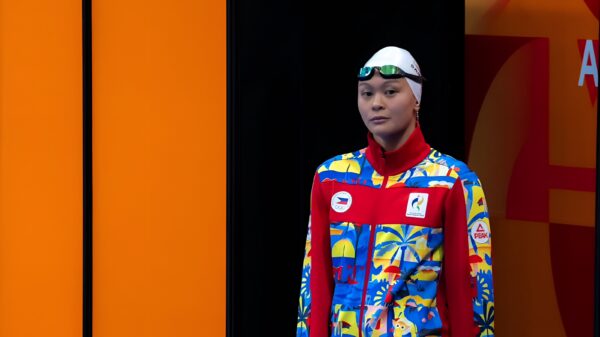
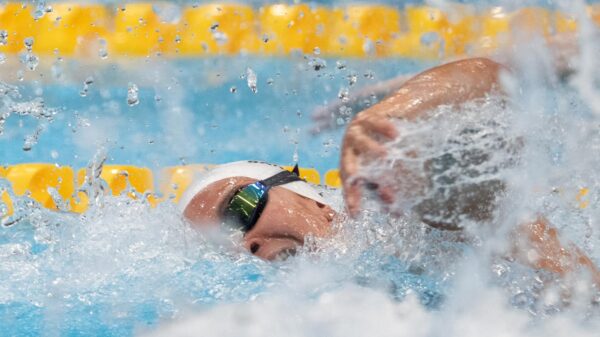
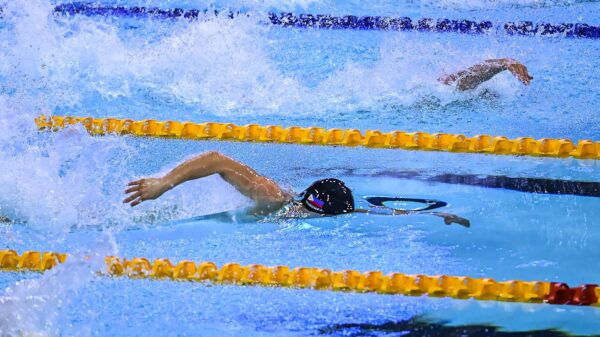
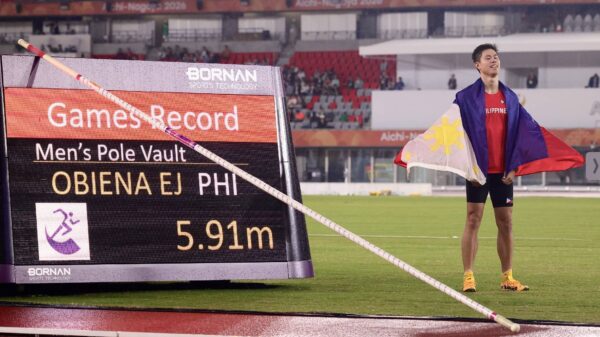
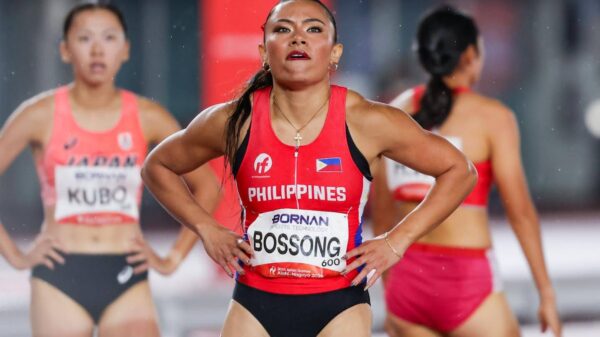
Filipino athletes claimed gold in 19 different disciplines, led by athletics (5), swimming (3), gymnastics (3), triathlon (3), and modern pentathlon (3).
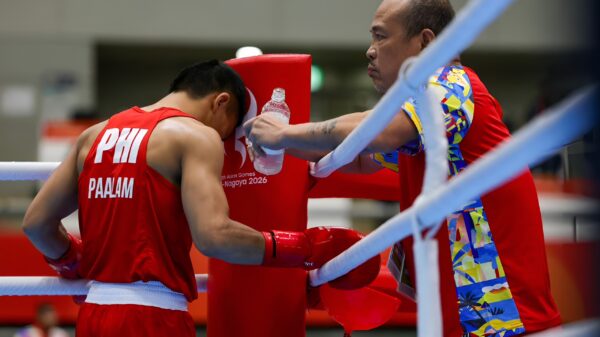
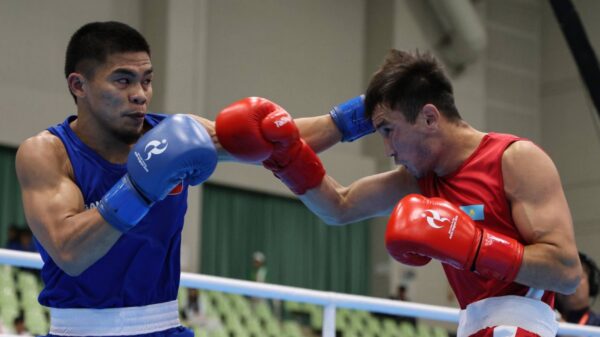
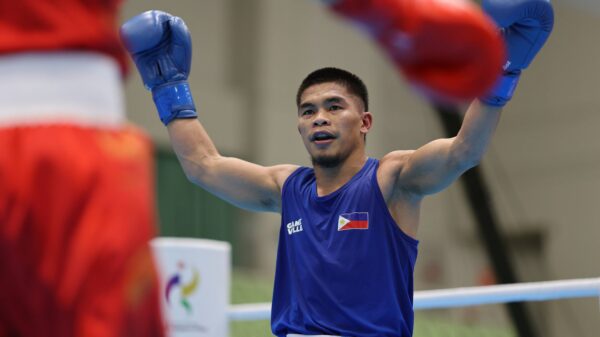
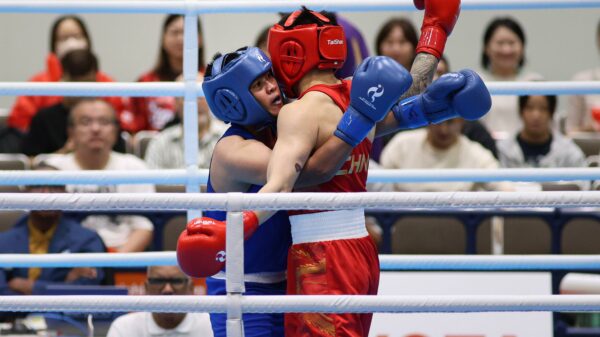
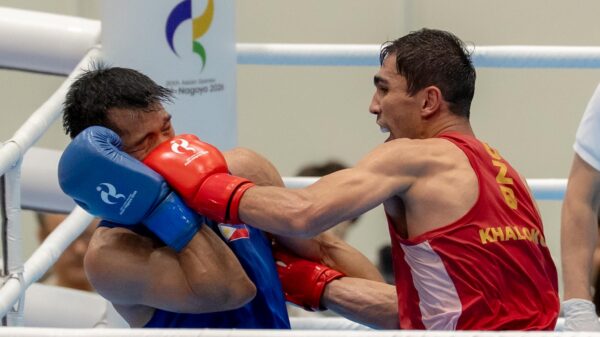
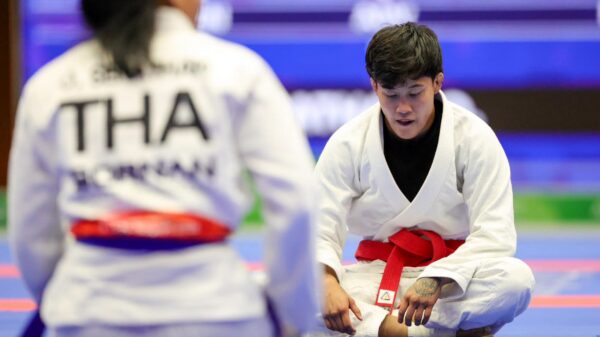
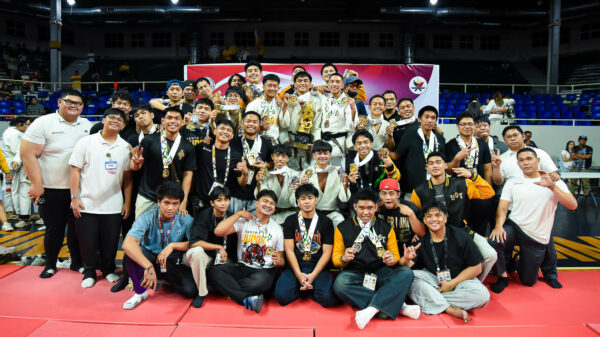
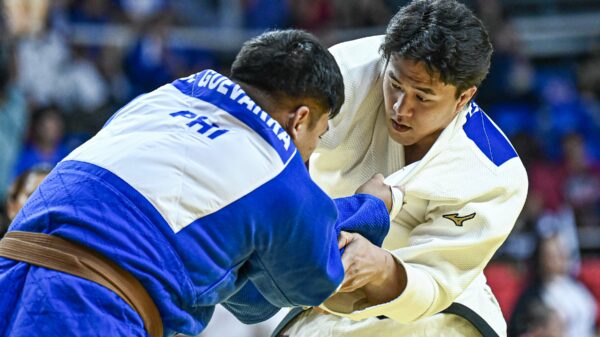
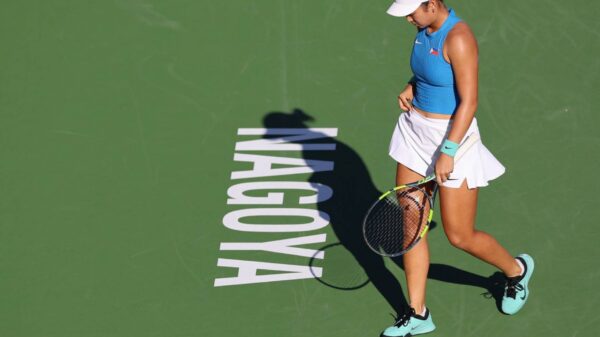
Basketball, judo, skateboarding, and taekwondo each contributed two titles, while beach volleyball, football, boxing, tennis, rowing, sailing, weightlifting, wrestling, and short-track speed skating added one gold apiece.
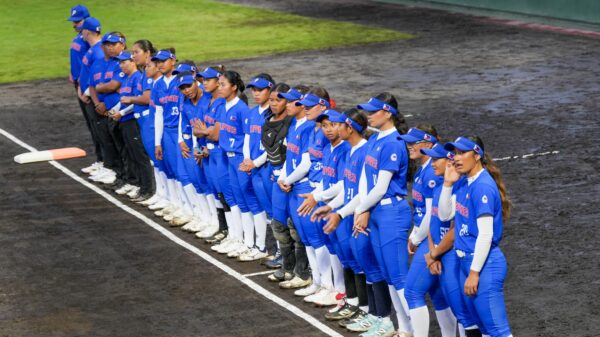
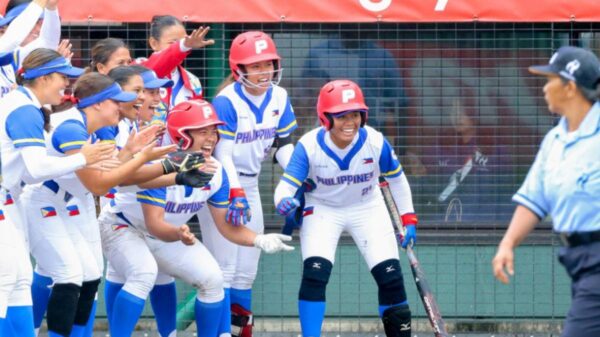
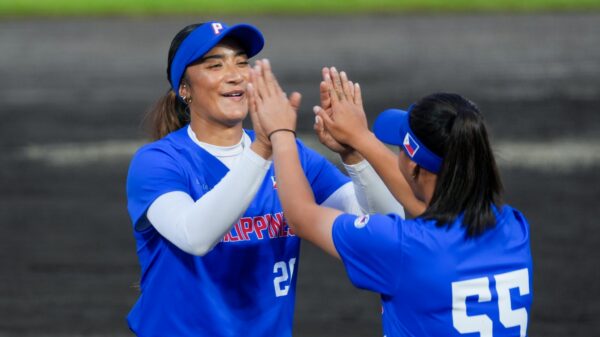
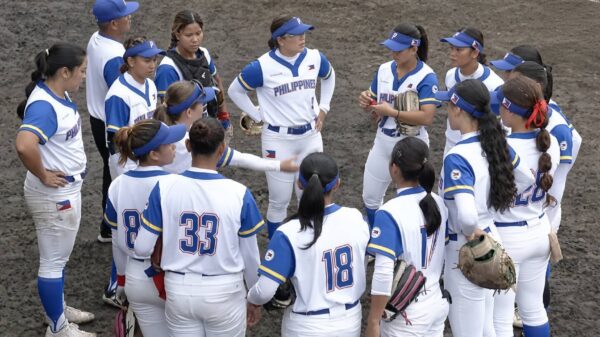
The country also swept the baseball and softball championships, achieving a rare grand slam.
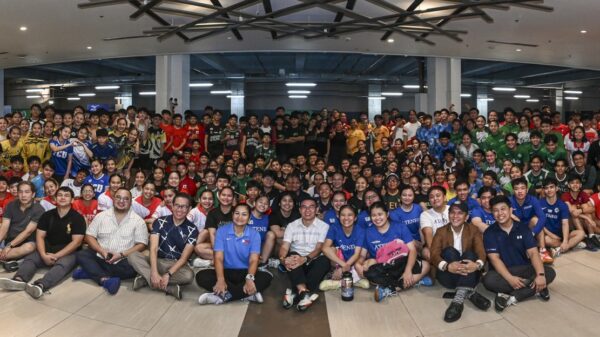
Spoiling the Party
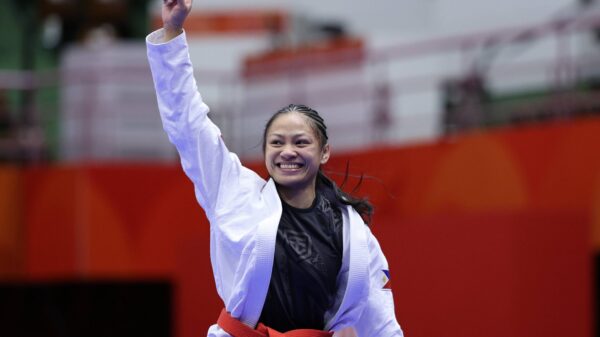
(C) POC Pool
Perhaps even more remarkable were the titles won that mattered most to the host nation, Thailand, proving that Filipino athletes can thrive under pressure and hostile conditions.
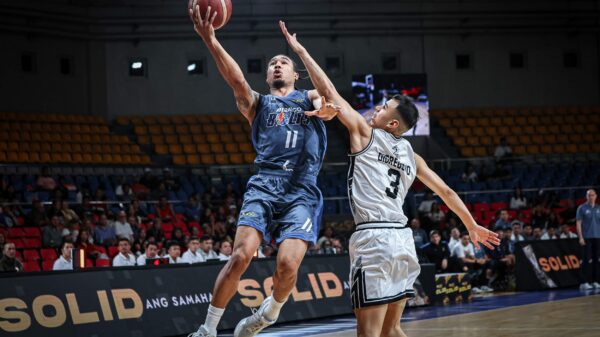
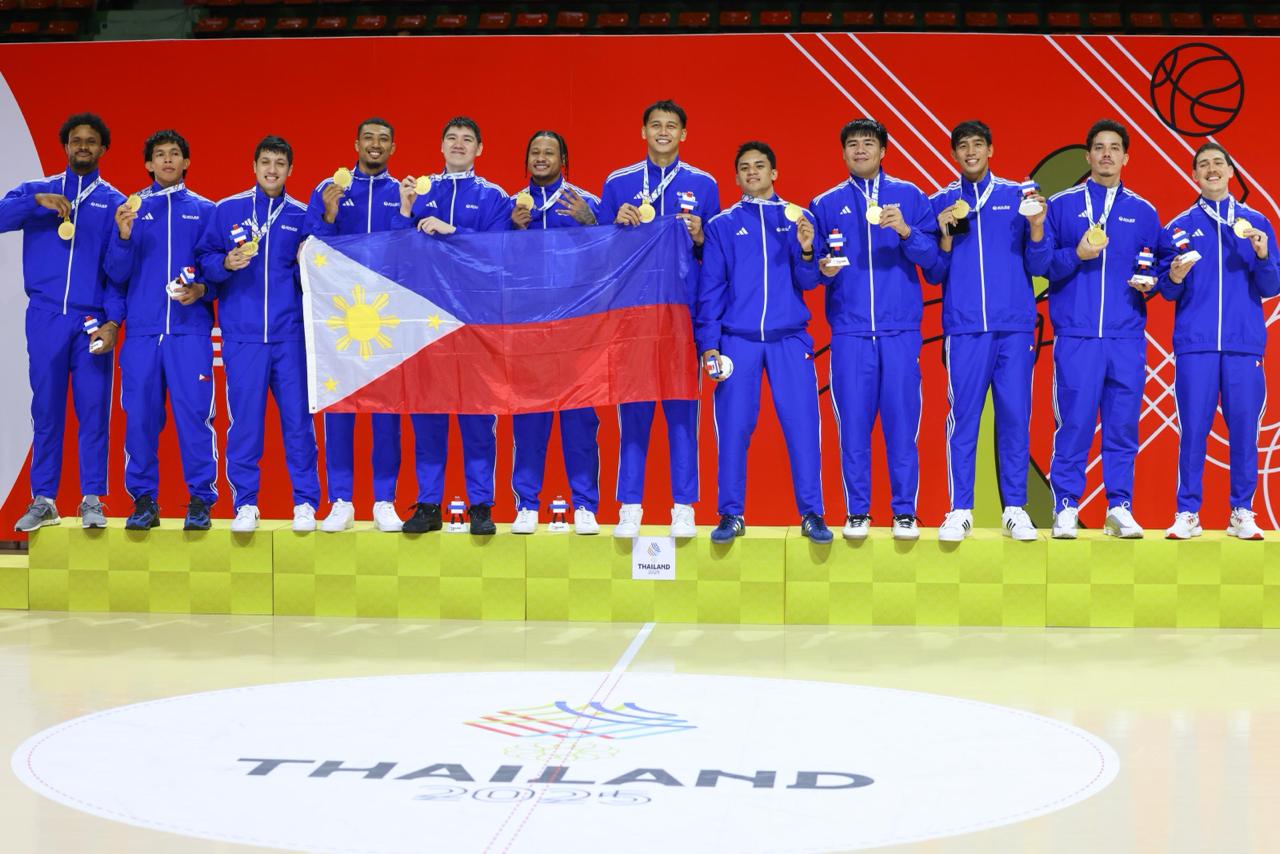
Thailand manipulated eligibility rules in 5-on-5 basketball with last-minute approvals to favor its team. Yet despite controversial officiating in the gold medal game, both Gilas Pilipinas teams emerged victorious.
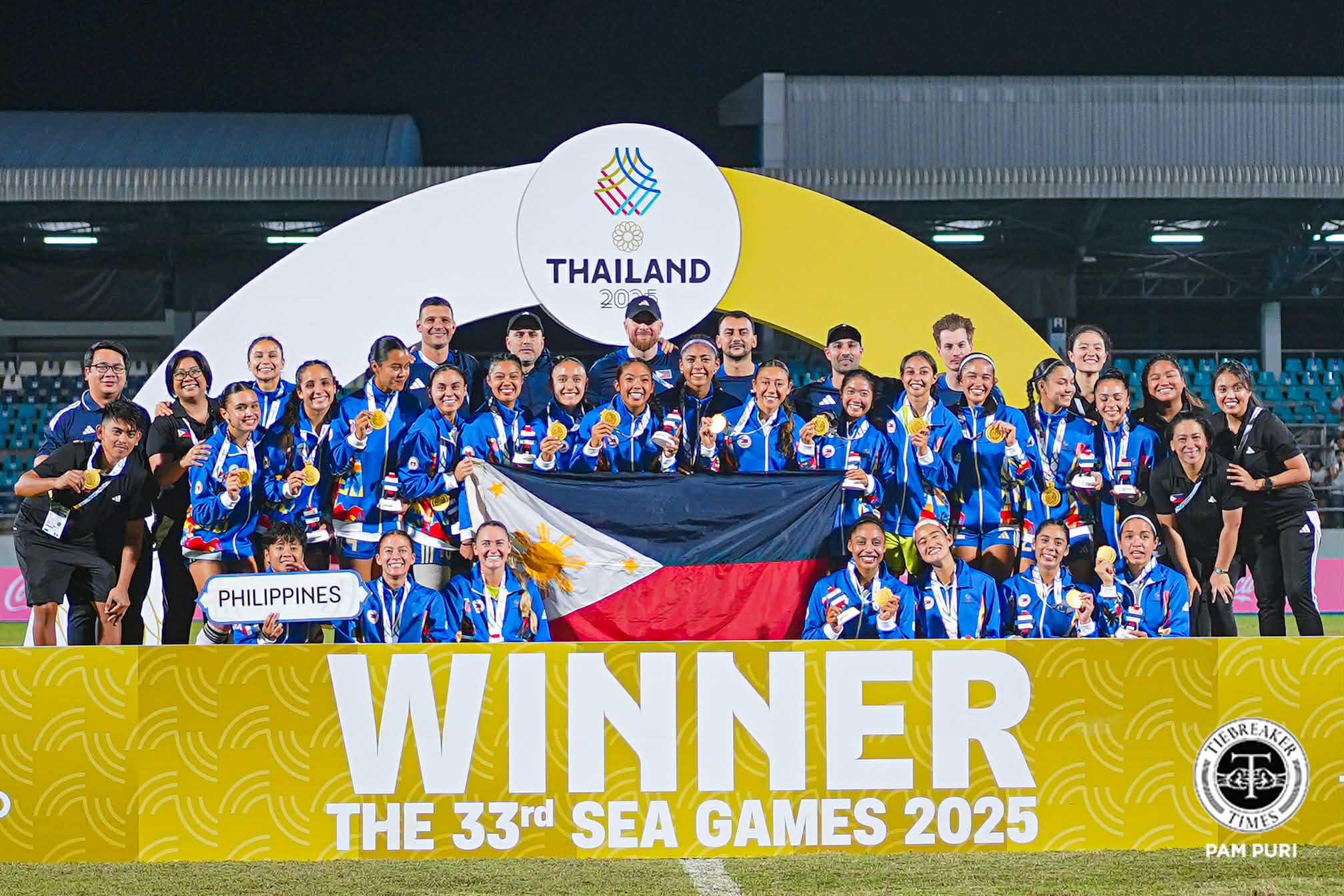
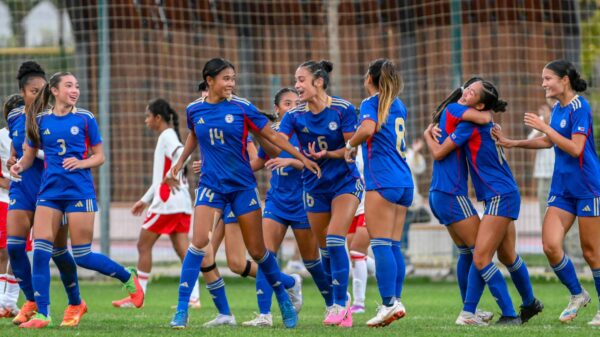
Similarly, Thailand’s Football Association president, Nualphan Lamsam, had predicted sweeping victories in both football and futsal. But the Filipinas thwarted that plan, defeating Thailand in the women’s football final via penalty shootout after a 1–1 draw in 120 minutes.
The team then overcame Vietnam in the gold medal match, also in penalties, securing the country’s first-ever SEA Games title in football.
Alas Pilipinas also ended Thailand’s eight-year reign in women’s beach volleyball, claiming their first SEA Games gold in the discipline after years of near misses.
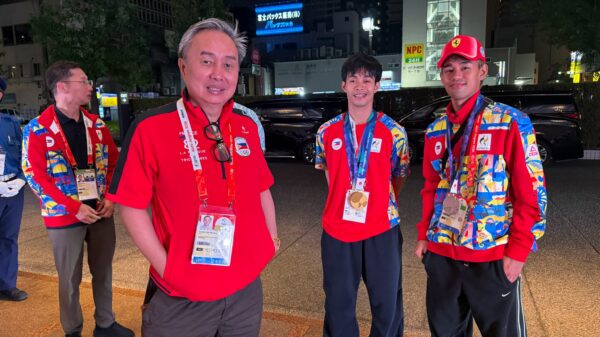
Olympic Promise
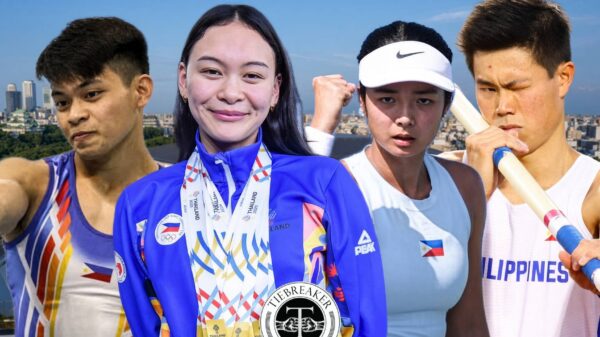
(C) POC Media
The medal haul not only reflected the country’s strength in Olympic sports but also hinted at potential performances at future Olympic Games.
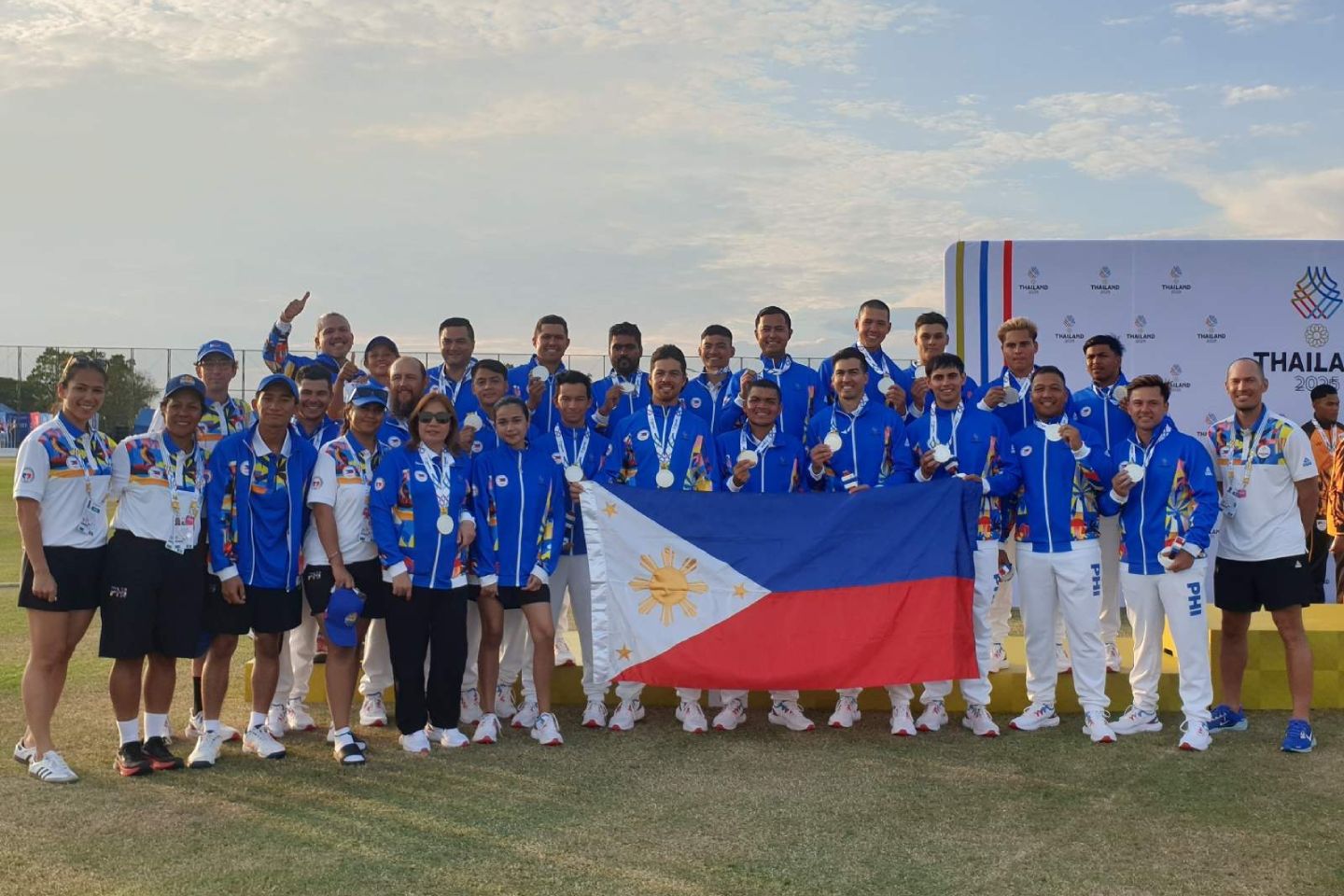
With the 2028 Los Angeles Olympics on the horizon — featuring the return of cricket and the debut of squash — the silver and bronze medals earned by Filipino athletes showcased the promise of possible participation with continued training, exposure, and qualification.
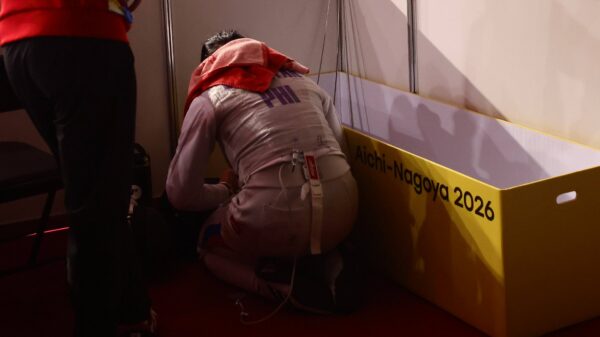
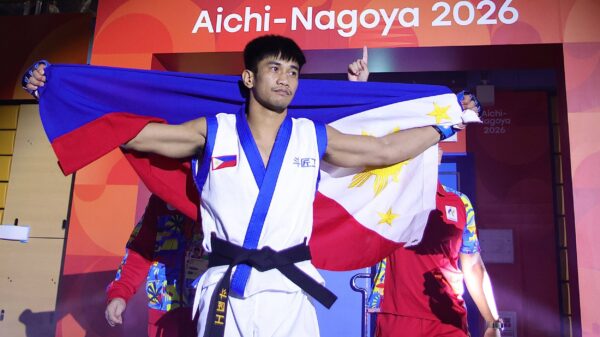
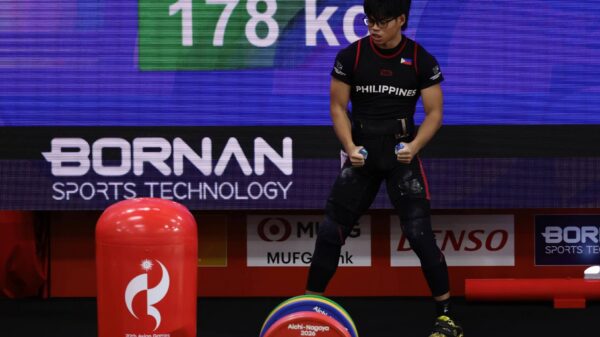
The upcoming Asian Games in Aichi-Nagoya, Japan, and other international tournaments leading to 2028 will be crucial in shaping these prospects. With a strong foundation established at the 33rd SEA Games, the Philippines is positioned for even greater achievements in Los Angeles.
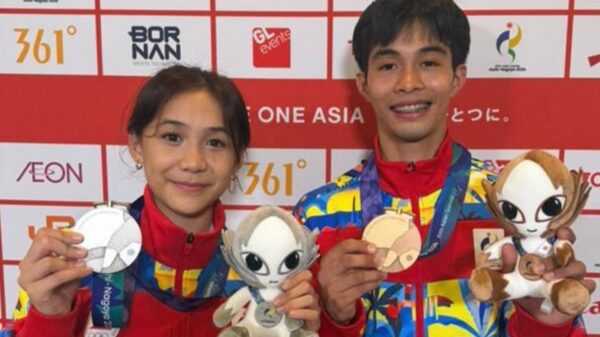
Grassroots to Gold
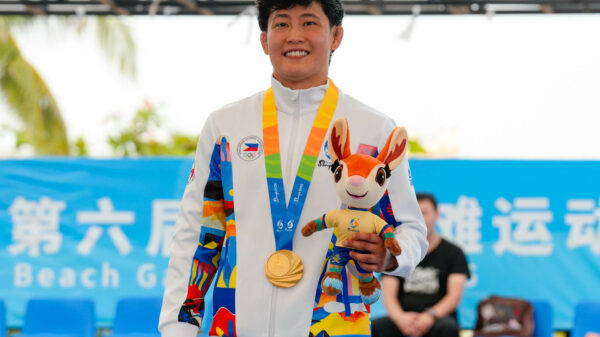
(C) POC Media
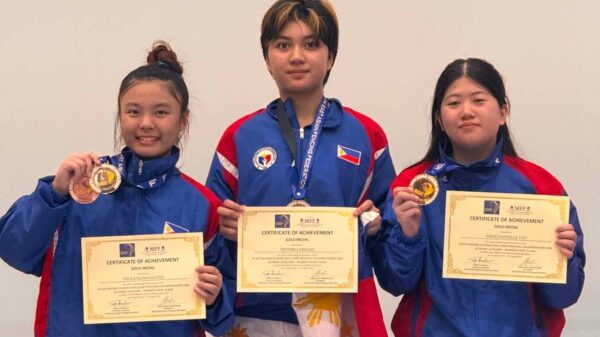
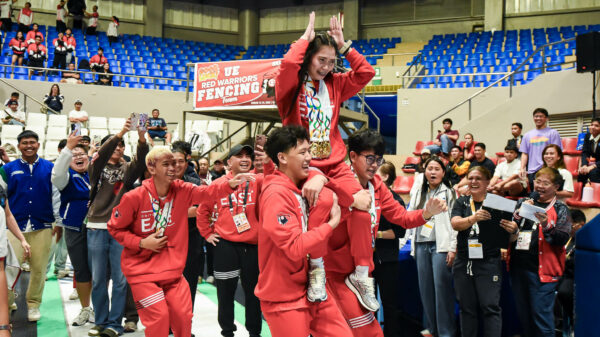
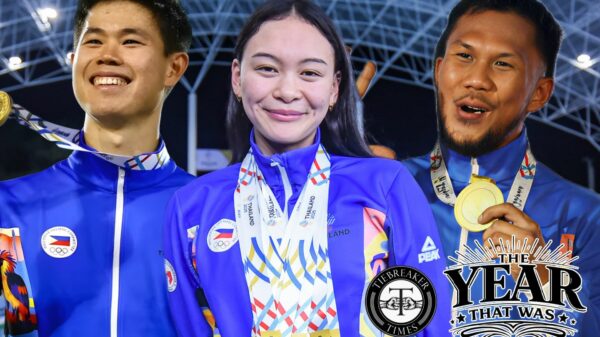
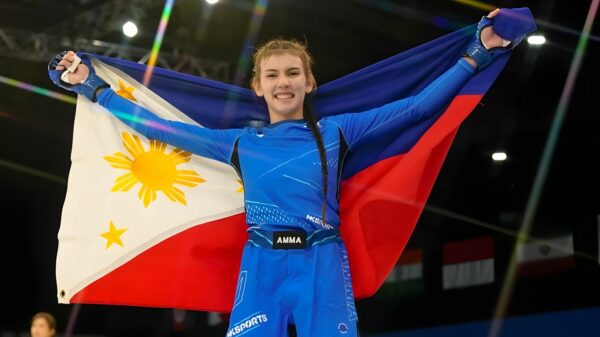
Perhaps the most significant outcome of the SEA Games was the emergence of young athletes, proving the PSC’s mantra of “grassroots to gold” — a vision Gregorio inherited from Bachmann.
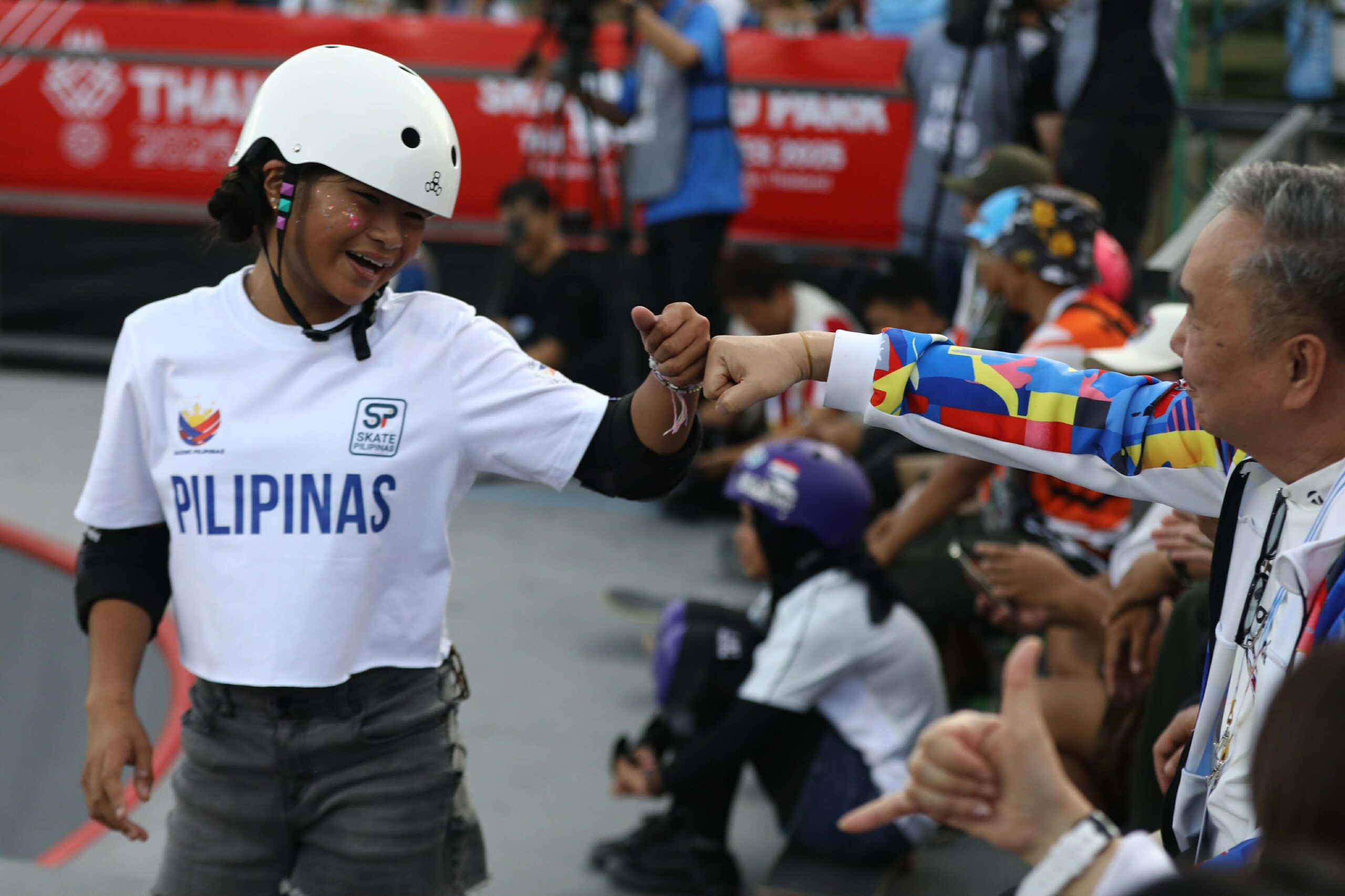
Athletes aged 11 to 19 delivered standout performances, particularly in Olympic disciplines. Eleven-year-old Mazel Paris Alegado won the women’s park skateboarding event, becoming the youngest gold medalist of the Games. Meanwhile, teammate Elizabeth Amador took silver.
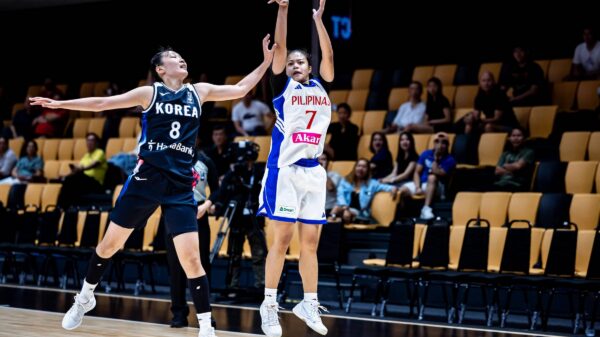
Sixteen-year-old Naomi Cesar claimed gold in the women’s 800 meters, upgrading her Asian Youth Games silver. She also celebrated alongside her older sister, Malea, a key member of the Filipinas’ historic football championship.
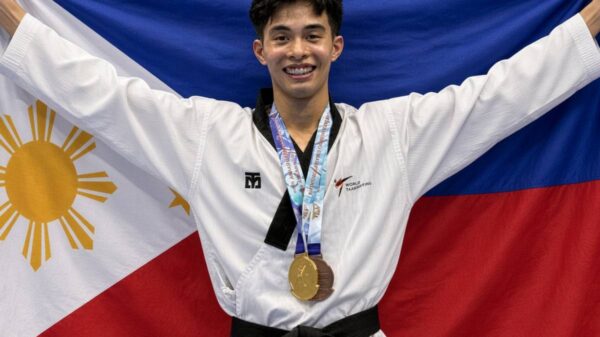
Other young gold medalists included Alexa Pino (18), Jael-Marie Guy (18), Ariana Markey (18), Isabella Pasion (19), Azumi Oka (19), Nina Mathelus (17), Gilas Women’s Sophia Dignadice (17), taekwondo jin Tachiana Mangin (18), rhythmic gymnast Jasmine Ramilo (17), triathlete Kira Ellis (19), iQFoil sailor Dhenver John Castillo (17), and short-track speed skater Peter Groseclose (18).
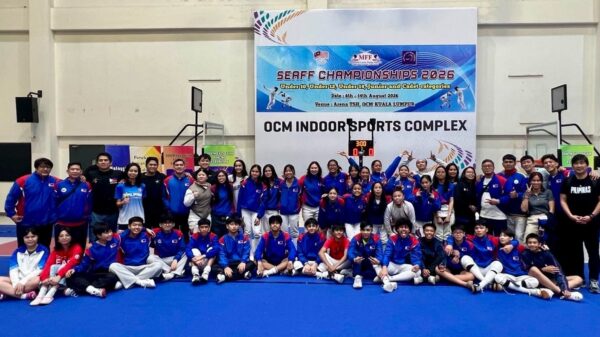
These budding stars, along with other medalists, will play a crucial role in the buildup to the 20th Asian Games, the 34th SEA Games in Malaysia, and potentially the 2028 Olympic Games.
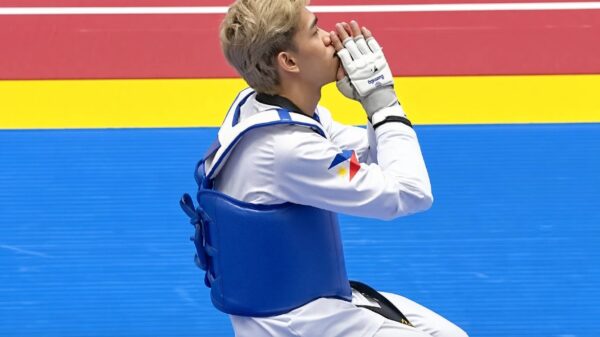
Continuing the Olympic Journey
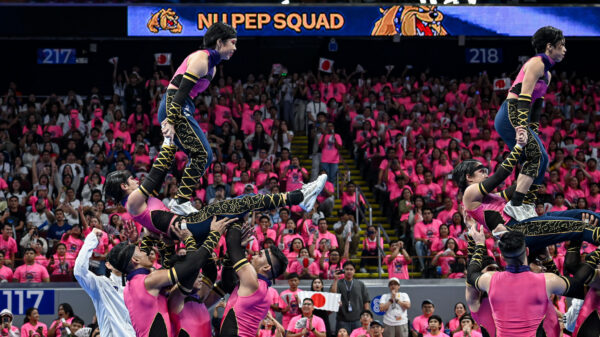
(C) FIG
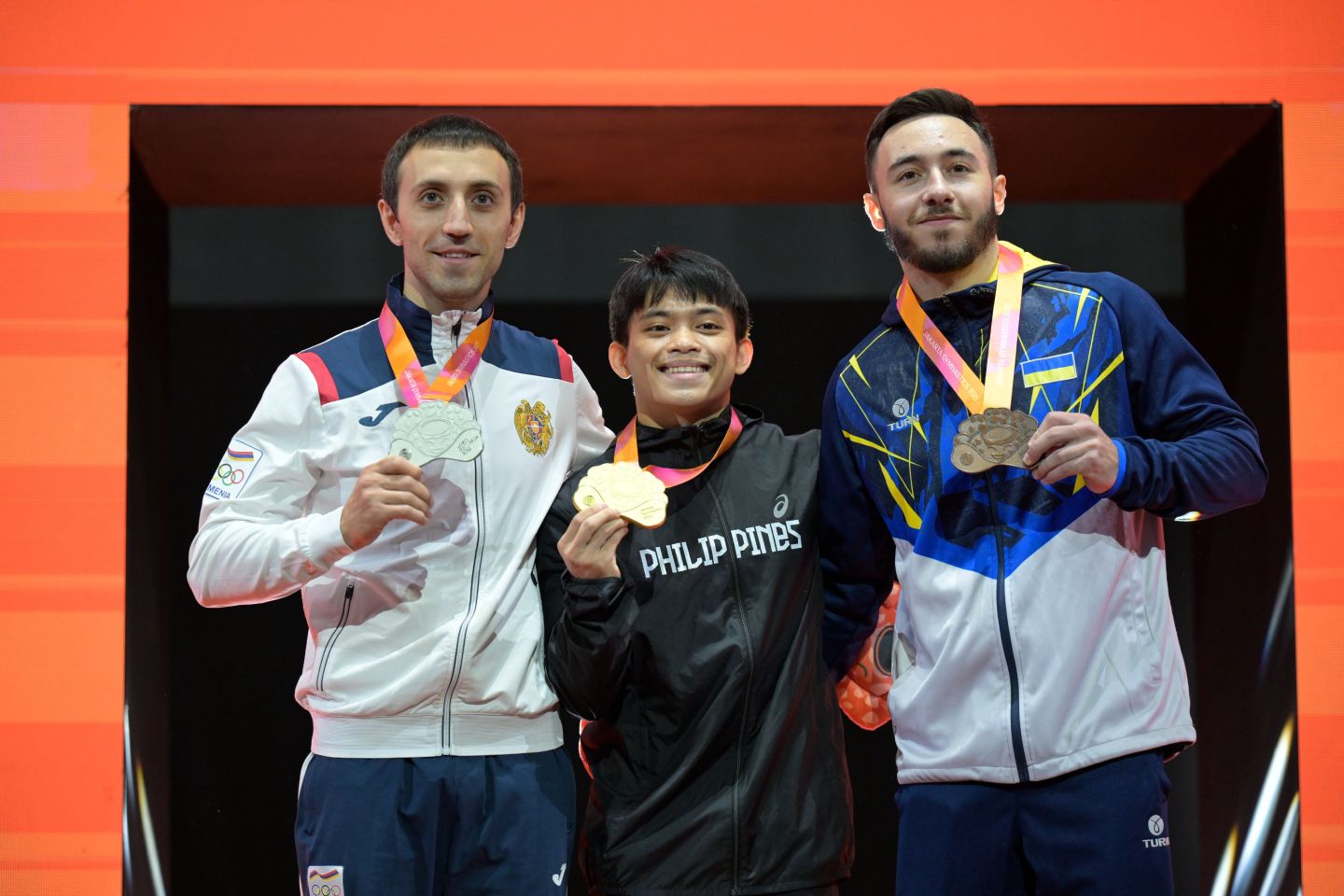
The Philippines is on track to sustain its success on the world’s biggest stage — the Olympic Games. Four years ago in Tokyo, Hidilyn Diaz secured the country’s first-ever Olympic gold, followed by two titles in Paris last year, thanks in part to Carlos Yulo.
With promising talent already in the pipeline and more still emerging, long-term planning and preparation by all sports stakeholders could ensure that the Philippines remains a leading Southeast Asian nation in both the SEA Games and, ultimately, the Olympic Games.