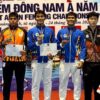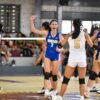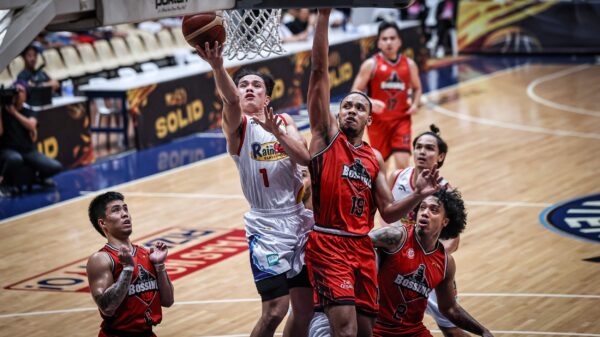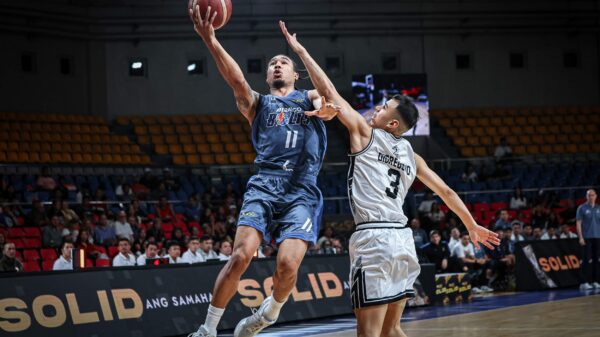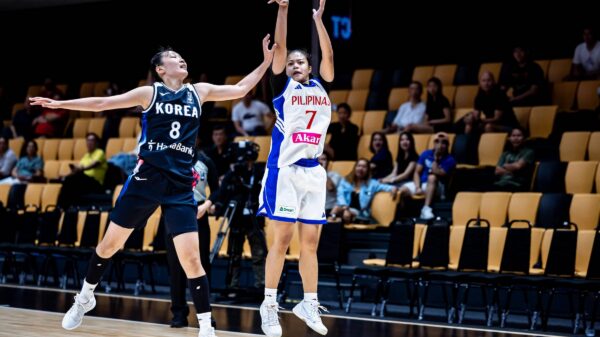




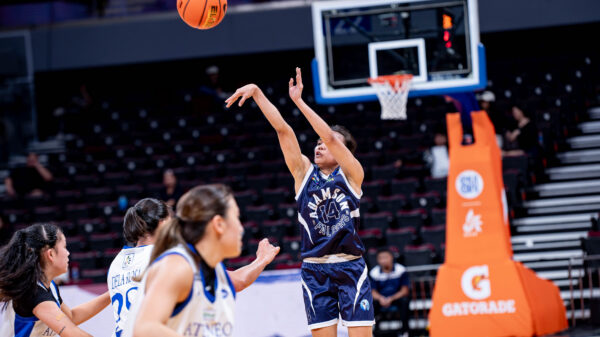







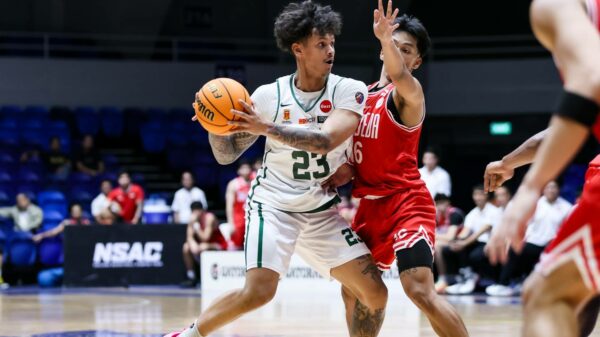
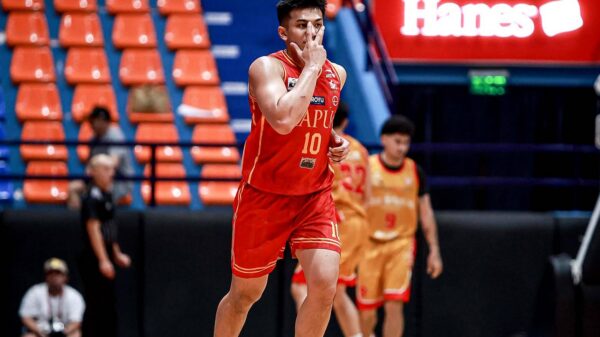






































Through a haze of uncertainty that threatened to derail months of preparation, Philippine basketball once again emerged unshaken — and unmistakably on top of Southeast Asian hoops.
The Philippine men’s and women’s basketball teams were more than ready to reinforce the country’s long-held grip on regional supremacy, fielding formidable rosters ahead of the 33rd Southeast Asian Games in Bangkok, Thailand.
Initially, the Thai organizing committee announced a “passport only” rule for all events. That meant an athlete’s eligibility would be based solely on the passport of the nation they represent, and dual passport holders could only use the passport of their competing country when traveling to Thailand.
But just weeks before the biennial meet, the Samahang Basketbol ng Pilipinas revealed on November 24 that naturalized players — athletes who obtained their passports past the age of 16 despite Filipino heritage — would not be allowed to play.
This forced both Gilas squads into last-minute recalibrations, stripping away key pieces and thrusting new faces into roles forged under pressure.
For many countries, such a setback would have been devastating. For the Philippines, it became fuel.
When the dust of all the adversity settled, it was fitting that the final verdict came against the host nation itself.
Inside a raucous Nimibutr Stadium on the evening of December 19, the Philippines silenced the Thai faithful twice. The men stood firm against questionable officiating to beat Thailand, while their women counterparts overcame late-game heroics from the same foe to complete a redemption campaign.
Two finals. Two gold medals. Two times, the Philippines denied the host nation a historic breakthrough.
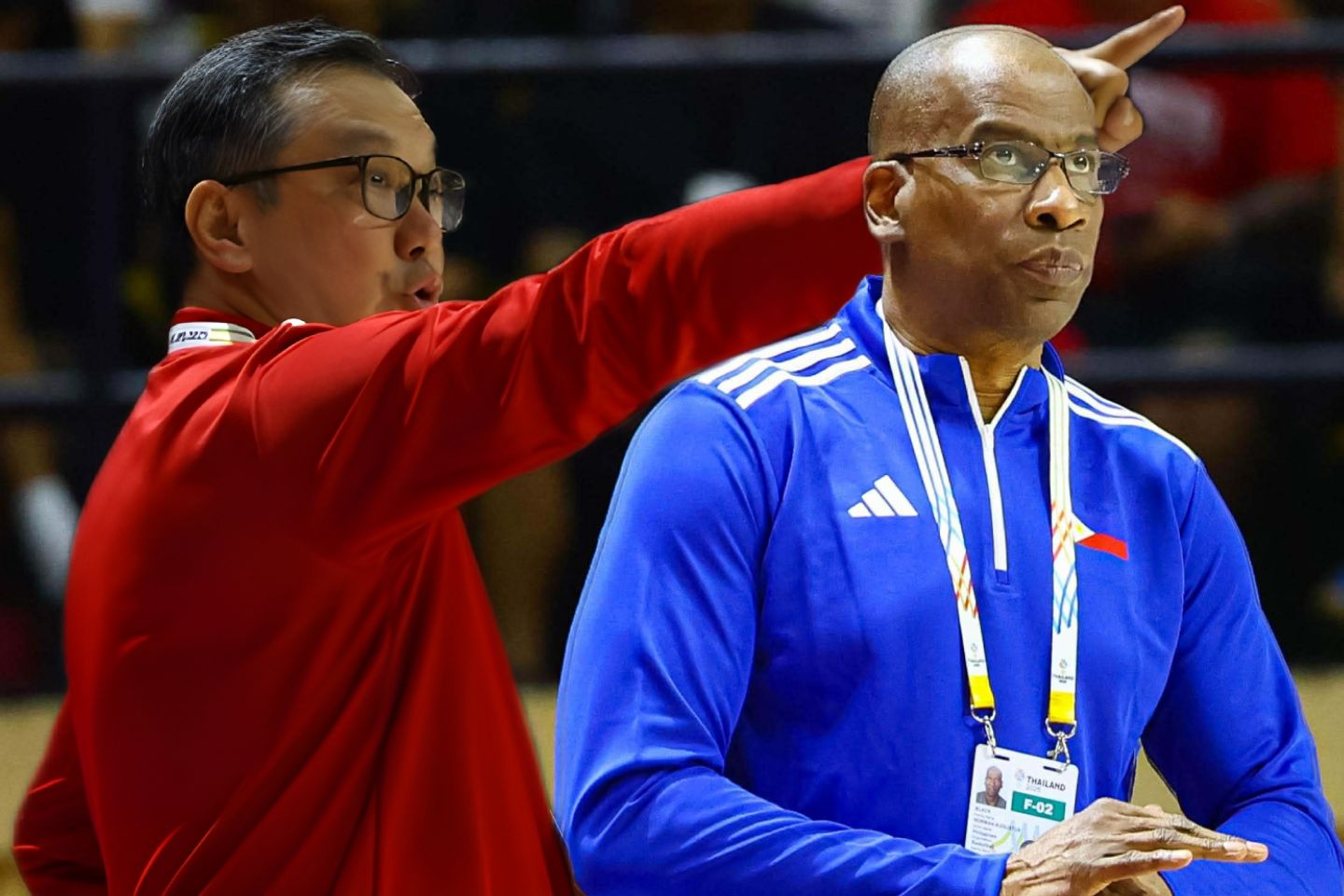
Black’s coaching masterclass amid the chaos
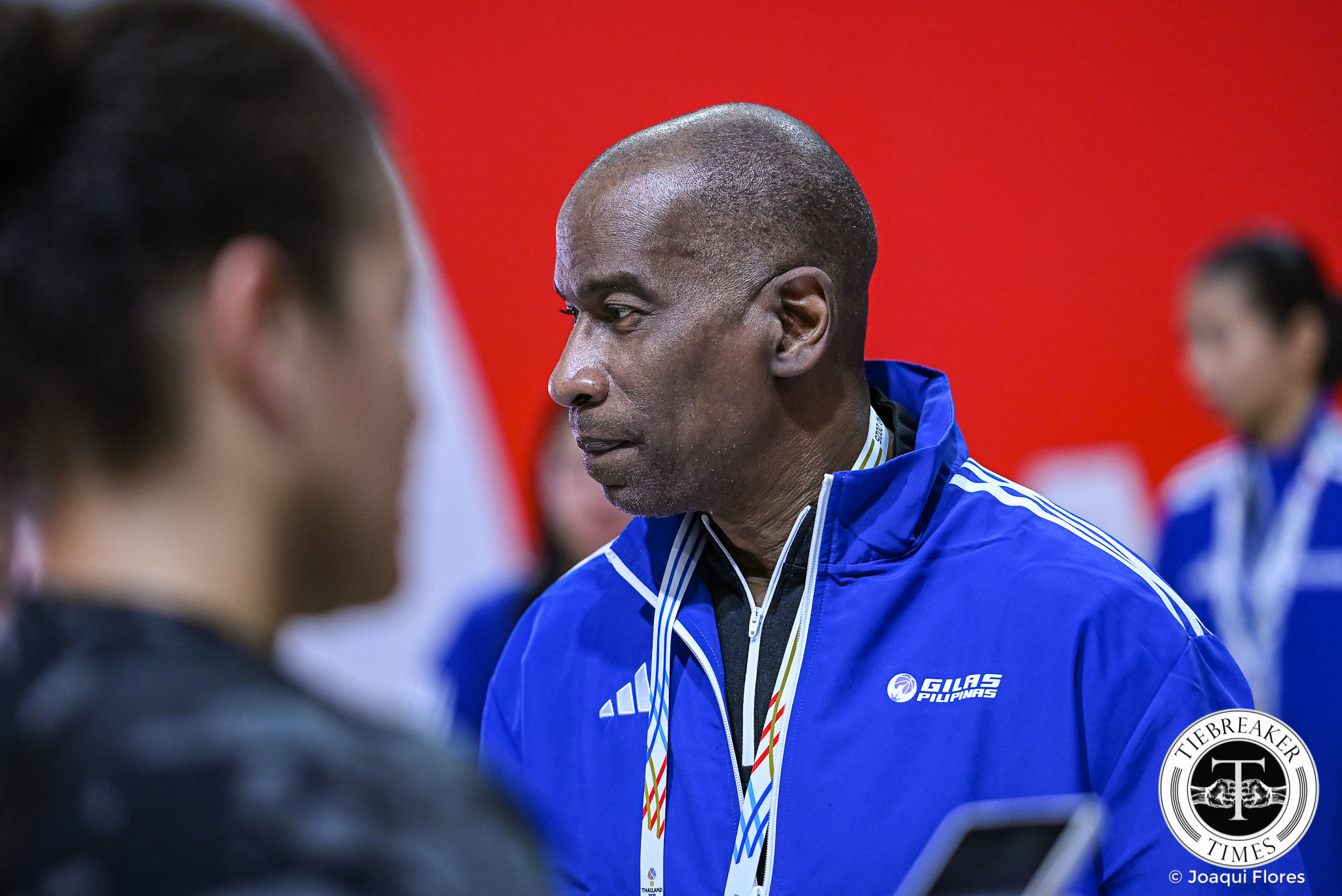
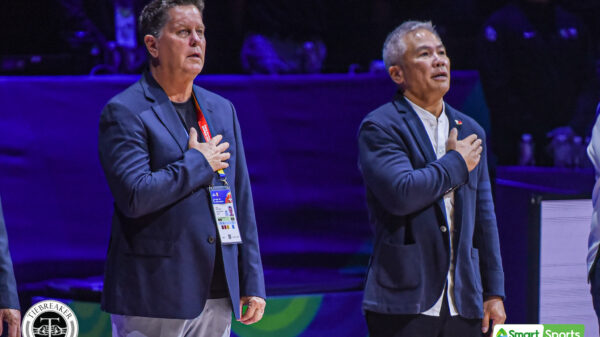
For all the adversity Gilas Men faced in building its roster — forming multiple iterations from one lineup to another — this triumph ranks atop the decorated resume of head coach Norman Black.
“I know I shut down the media a little bit, and I didn’t talk, because every time I would say something, it seemed like the organizing committee would change the rules. So I decided I wasn’t going to mention anything publicly anymore, because if they’re using our information against us, hey,” the two-time SEA Games gold medalist shared.
“So I rank at number one right now, no question.”
From nearly having Justin Brownlee, Mike Phillips, Remy Martin, Kihei Clark, and Boogie Ellis, the Thai organizing committee’s flip-flopping eligibility rules instead handed Black a roster led by Jamie Malonzo, Matthew Wright, Ray Parks Jr., and Robert Bolick.
Even without the originally planned key pieces, Black showed the seven-team field — especially Thailand — that no eligibility clause or last-minute reshuffle could strip Gilas of its greatest weapon: the puso mentality.
“Well, we’ve gone through what we’ve gone through to get up to this point. Adversity doesn’t seem that hard. We basically just go out and fight and pull together,” Black said.
“I went four months not knowing what the rules were. Not knowing what the eligibility rules were. I formed a team, only to be told I couldn’t use that team. And then when I formed another team, I was told I couldn’t use certain players. So I couldn’t really understand the eligibility rules in the tournament. And, hey, I’m glad it turned out for the best.”
Aquino turns adversity into Gilas Women redemption
(C) POC Media
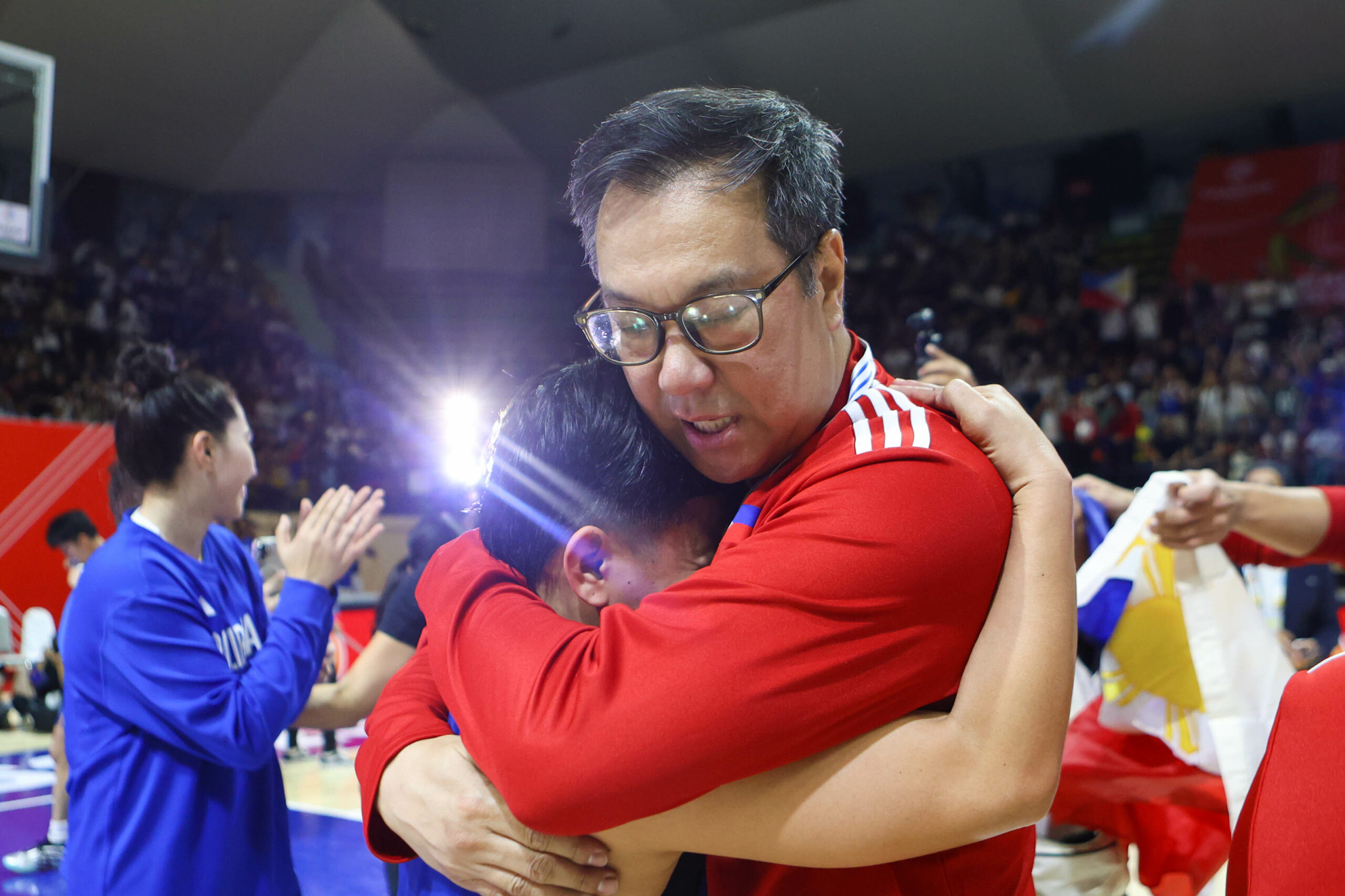
Gilas Women head coach Pat Aquino faced the same challenge that threatened the men’s squad’s pursuit of a record-extending 20th Games gold medal.
According to a November 28 report by One Sports, the Filipina dribblers’ roster could have been the best the country has seen in over a decade, even without longtime veteran Jack Animam. The team would have seen additions like WMPBL standouts Gabi Bade and Stef Berberabe, both of whom played in the Hanoi SEA Games in 2021.
Yet the sudden change in eligibility rules meant that Berberabe and Bade were removed from the final line-up, as they were considered naturalized players after receiving their Philippine passports past the age of 16.
Not to be denied their redemption campaign, Aquino relied on Afril Bernardino, Kacey dela Rosa, and last-minute additions Sophia Dignadice and Sarah Heyn to clinch Gilas’ third Games gold medal in the last four editions of the biennial meet.
“Siguro ‘yon yung dahilan kung bakit mas sweeter itong tournament na ito. Because of that rule that they had, nahirapan kami na at the last minute na lang, biglang nagkaroon ng change,” Aquino said.
“Just happy that we had our dedicated girls. Sarap lang sa feeling.”
Through flip-flopping regulations, last-minute changes, and hostile surroundings, Philippine basketball once again proved an undeniable truth: in Southeast Asia, the gold standard still wears red, blue, and white.