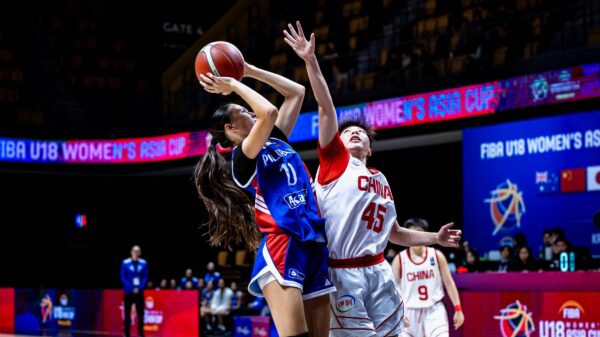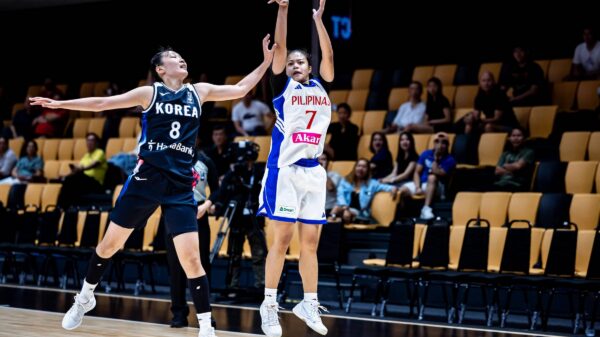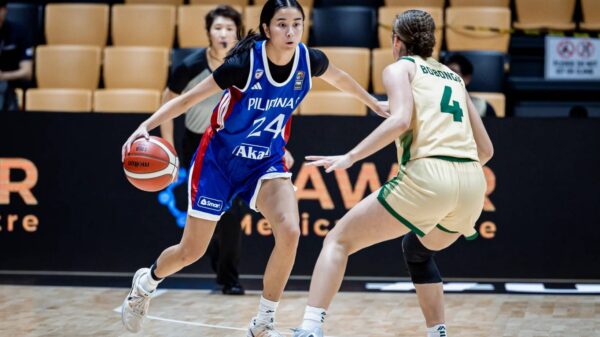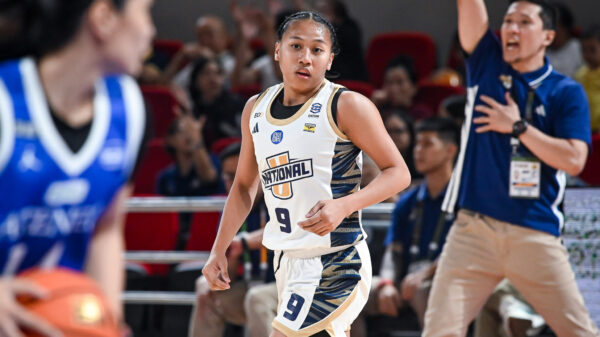









































































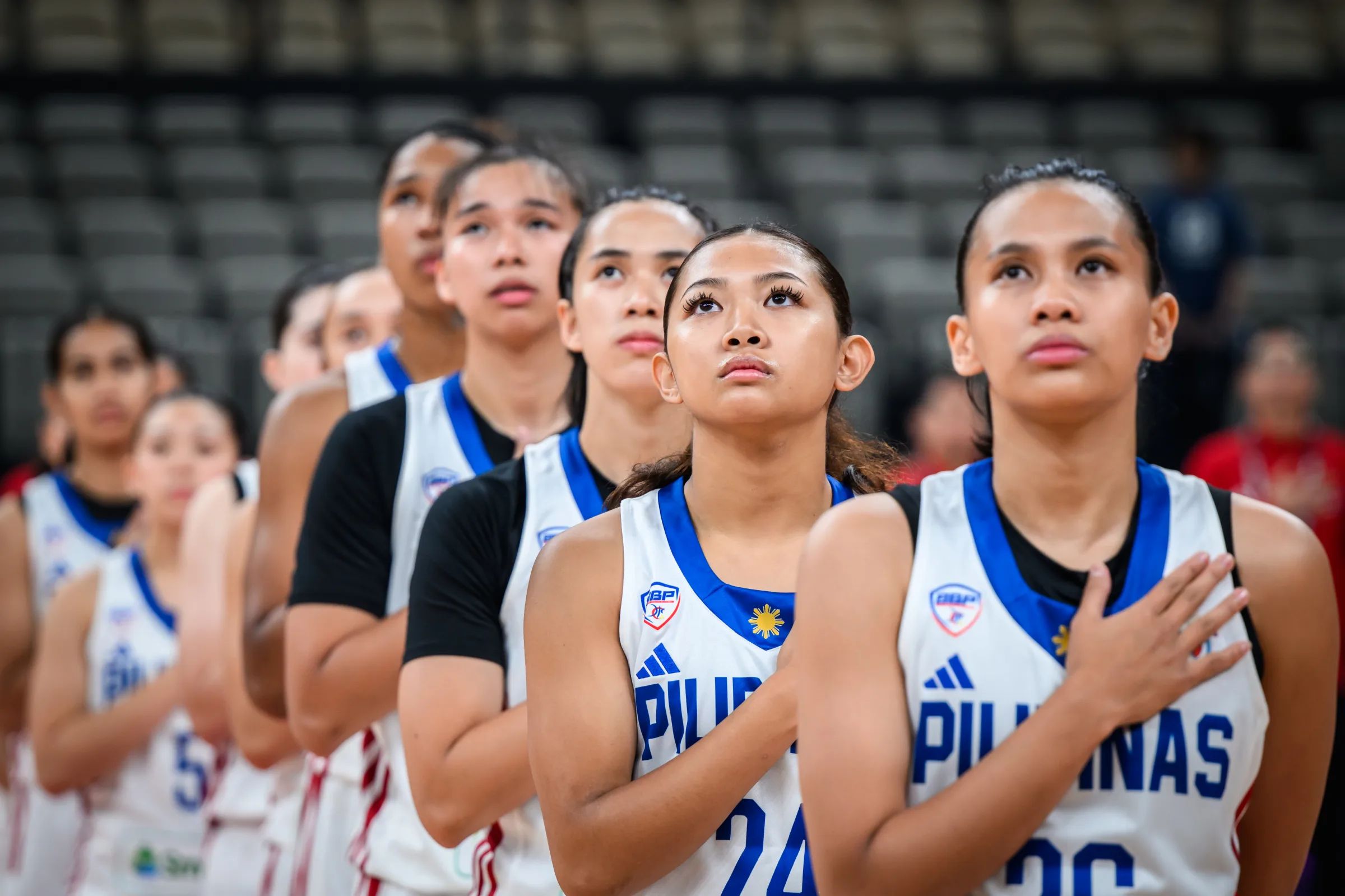

Everything boils down to this all-important Group B showdown between the Philippines and Lebanon on Wednesday in the FIBA Women’s Asia Cup Division A in Shenzhen, China.
The stakes are high: the winner advances to the ‘play-in’ to face the second-placed team from Group A and will be assured of a top-six finish — enough to secure a spot in next year’s FIBA Women’s World Cup qualifying tournaments.
The loser, however, will be relegated to the 7th-place battle against the bottom team of Group A — a dangerous position since the 8th-place finisher in this competition will be demoted to Division B of FIBA Asia.
Both Gilas Women and the Cedars of Lebanon are winless in two games, having mirrored each other’s performances so far.
The Philippines suffered a 76-point defeat at the hands of Australia, while Lebanon was routed by the Opals by 79.
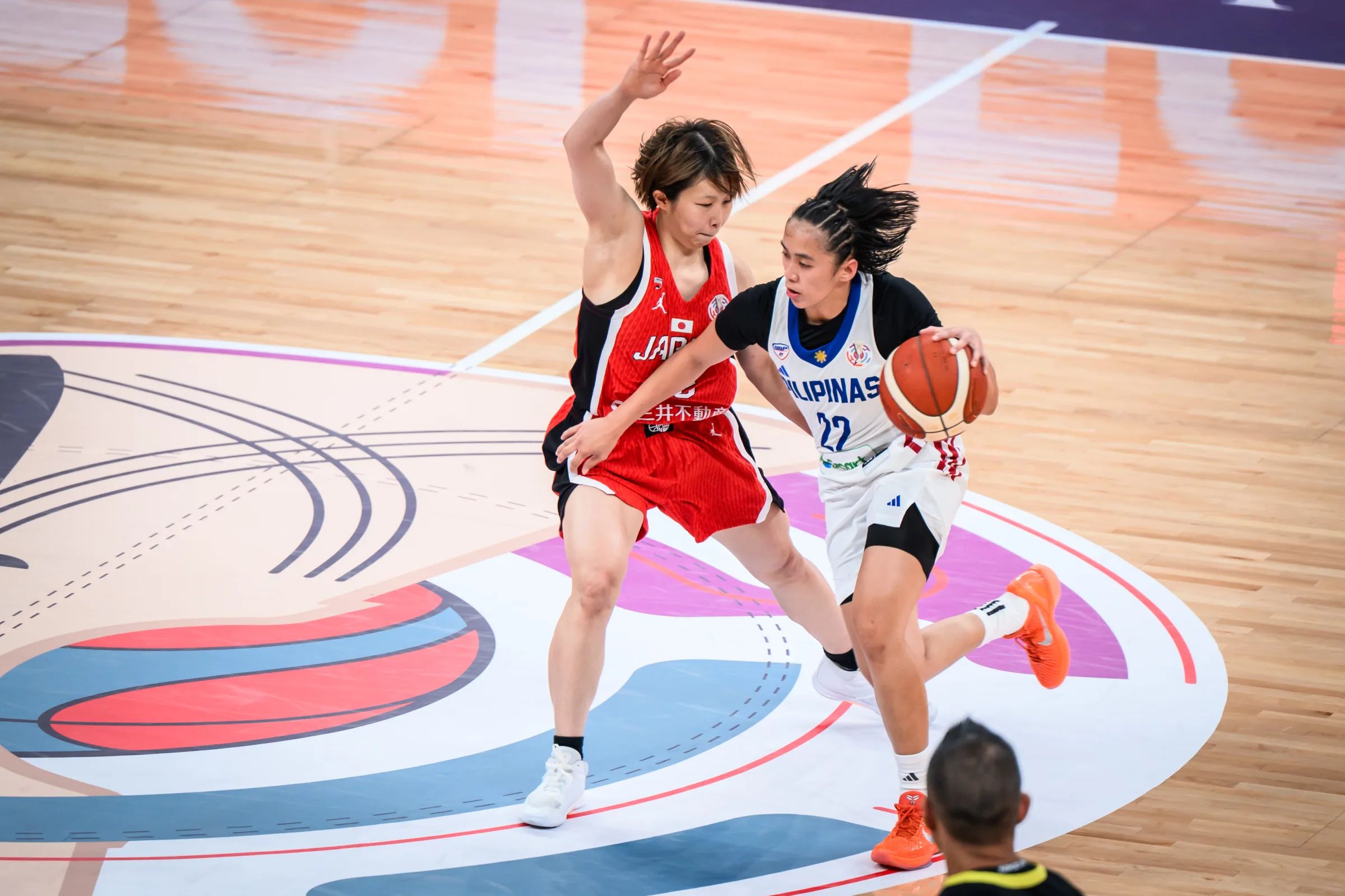
In their second games, Gilas nearly pulled off a stunning comeback against 2023 Asia Cup runner-up and world No. 9 Japan, narrowly losing 82–85.
Lebanon also pushed the Akatsuki Five to the limit before falling short, 68–72.
Size vs Speed
(C) FIBA.basketball
Several factors will work in Lebanon’s favor entering this crucial match-up.
First, size.
The Cedars have a significant height advantage. Eight of the ten players who saw action against Japan stand at least 5’10″, with four standing over 6 feet. That length enabled them to outrebound Japan, 50–37.
Gilas Women held their own on the boards, finishing just behind Japan, 37–36. Jack Animam (6’5) and Kacey Dela Rosa (6’0) combined for 21 rebounds, showcasing their importance inside.
Another edge for Lebanon is freshness. Gilas expended tremendous energy in their near comeback against Japan on Monday.
Vanessa de Jesus logged 31 minutes, while Animam played nearly 30.
In contrast, Lebanon’s American head coach Paul Coughter, knowing the difficulty of overcoming powerhouse Australia, limited four of his starters to under seven minutes of floor time.
The longest stint went to naturalized player Jillian Archer, who played just 10 minutes.
However, the Philippines counters with better perimeter shooting and superior ball movement.
Gilas hit 8 of 21 triples against Japan, a solid 38%. On the other hand, Lebanon struggled from deep, making just 2 of 13 for 15%.
Ball distribution also favors the Filipinas, who tallied 21 assists, compared to Lebanon’s 7 dimes.
Against Japan, Lebanon scored just 12 fastbreak points, preferring to pound the ball inside and take advantage of their height, resulting in 38 points in the paint.
Gilas, whose roster is composed largely of players aged 22 and under, thrives on pace. They scored 22 fastbreak points in the same game and consistently looked to push the tempo.
Battle of the Backcourts
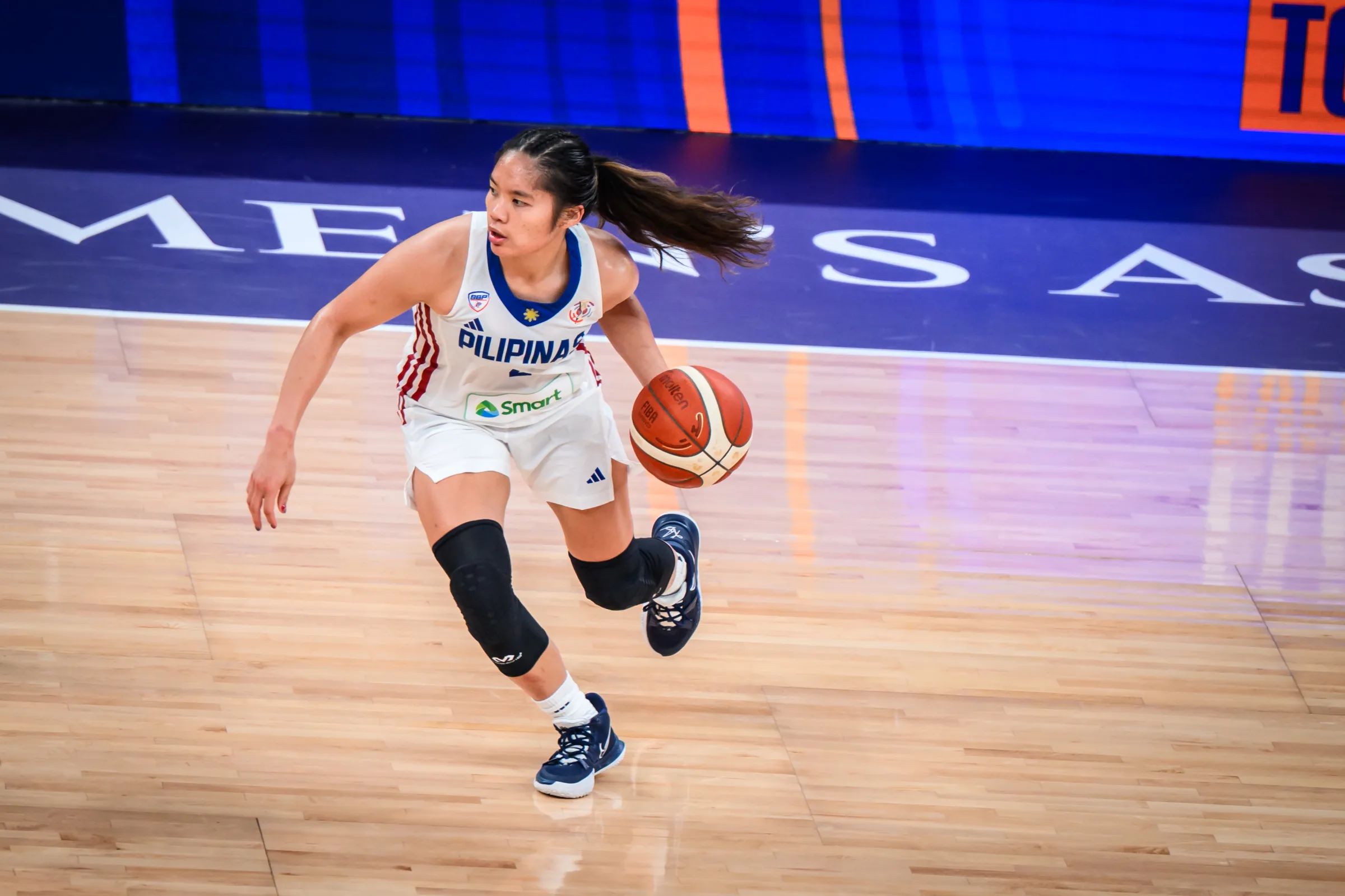
(C) FIBA.basketball
One reason for Lebanon’s low assist numbers is its isolation-heavy offense.
Coughter entrusts most of the offensive load to two dynamic guards: 31-year-old veteran Rebecca Akl and 20-year-old rising star Amar Mansour. Against Japan, the duo took half of Lebanon’s total field goal attempts. Akl finished with 27 points, while Mansour added 19.
For Gilas to win, Coach Patrick Aquino must find ways to disrupt Akl and Mansour — either by picking them up early or applying traps to force turnovers.
Defensive guards Ella Fajardo and Cielo Pagdulagan could be useful in this strategy, though both have seen limited minutes so far.
Naomi Panganiban, with her length and speed, is another solid option — provided it doesn’t compromise her offensive contributions, which are crucial to Gilas’ success. Louna Ozar may be Aquino’s best bet to shadow either Akl or Mansour across 94 feet.
Coughter has maintained a consistent starting five: Akl, Mansour, Archer (6’3), fellow 6’3 center Zena Elias, and 5’10 forward Daniella Fayad.
Beyond them, only 6’0 Maria Ghaleb — who plays for Wayland Baptist University in the U.S. — and Elias offered decent minutes off the bench.
The Philippines, on the other hand, has the edge in depth, with Aquino rotating 9–10 players regularly.
De Jesus and Animam will lead the charge for the Filipinas — Gilas’ answer to Akl and Mansour.
While de Jesus has yet to fully find her rhythm (despite scoring 13 against Japan), the former Duke Blue Devil is due for a breakout game. Lebanon’s frontline will likely zero in on Animam, but she has repeatedly proven that she can go toe-to-toe with the region’s best bigs.
The big question now: who else will step up?
For Lebanon, only Archer presents a potential third scoring option. If she finds her offensive rhythm, the Cedars become even more dangerous. Still, scoring has never been Archer’s calling card throughout her career.
For Gilas, there are several possibilities.
Panganiban and Sumayah Sugapong, both just 19, have already shown they can put up points.
Aquino may also call on a potential game-changer in Khate Castillo. Known as the team’s designated shooter, Castillo has delivered in big moments in previous FIBA competitions.
Wednesday’s do-or-die match could be her time to shine.