














































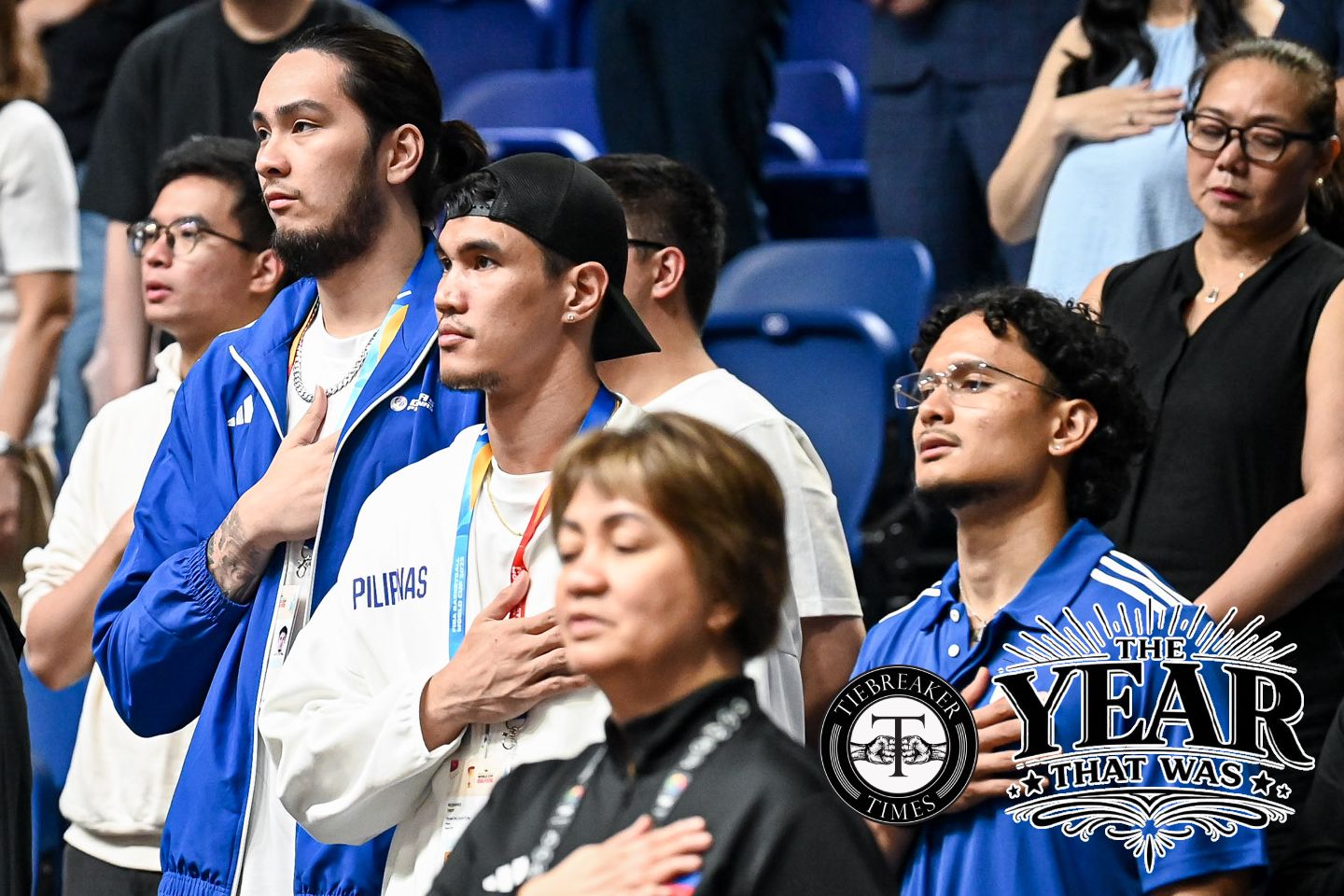

What first appeared to be the dawn of a new era for Gilas Pilipinas ultimately became a year defined by a critical absence.
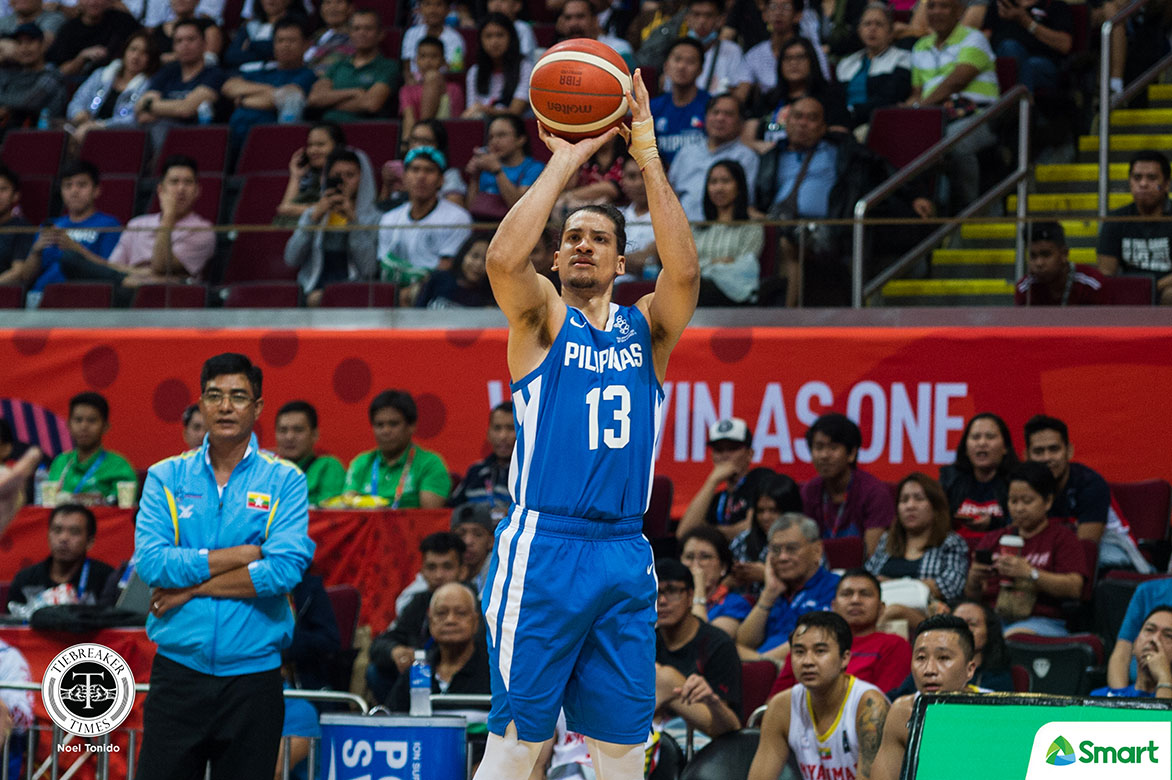
The promise of 2025 was evident months earlier, when Kai Sotto delivered a breakout performance against New Zealand, leading the Philippines to its first-ever FIBA victory over the Tall Blacks. Sotto posted 19 points, 10 rebounds, seven assists, two steals, and two blocks in a narrow 93-89 triumph.
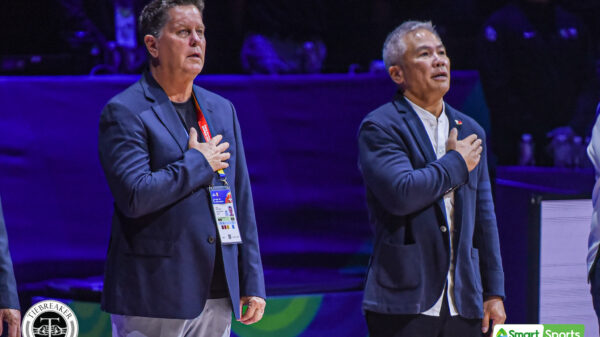
With Sotto’s all-around play securing the Philippines a return trip to the 2025 FIBA Asia Cup, that lone win offered a glimpse of the Tim Cone-mentored program’s long-held vision: a Gilas squad built on youth, size, and skill.
That momentum, however, proved fleeting.
Sotto’s 2025 campaign—and, by extension, much of the Philippines’ international calendar—was abruptly halted when the 7-foot-3 big man tore his left anterior cruciate ligament while playing for B.League Division 1 team Koshigaya Alphas on January 5, 2025.
The injury deprived the program of its most promising big man for the year, leaving Gilas without its primary defensive anchor ahead of what many expected to be a redemption campaign at the 2025 FIBA Asia Cup.
Life without Sotto began poorly. Gilas suffered its first FIBA loss to Chinese Taipei, followed by a New Zealand revenge win during the February window of the Asia Cup 2025 Qualifiers.
By the time the Asia Cup arrived, the story remained the same.
Gilas leaned heavily on veterans Japeth Aguilar and June Mar Fajardo, while young center AJ Edu emerged as a bright spot in the paint. Like Sotto, Edu’s mobility, defensive presence, and willingness to do the dirty work provided crucial support for Aguilar and Fajardo, offering a glimpse of a future frontcourt rotation that could thrive once Sotto returns.
Yet even that collective effort could not close the gap against Asia’s elite. Gilas finished seventh—their second similar placement in three Asia Cup editions—after losses to a rising Chinese Taipei squad, New Zealand, and three-peat champions Australia.
Sotto’s absence had broader implications. The Philippines slipped from 34th to 37th in the FIBA global rankings, a quiet but significant dip that summed up Gilas’ 2025 campaign: a year spent surviving rather than contending.
Enter QMB and relaxed FIBA eligibility rules
 Amid the turbulence of 2025, two promising developments quietly emerged, both with the potential to reshape Gilas’ long-term trajectory ahead of the 2027 FIBA World Cup and 2029 Olympics.
One of these was Quentin Millora-Brown. The 25-year-old center, who played a one-and-done stint with the University of the Philippines during its UAAP Season 87 championship run, was officially reclassified as a local player for FIBA competitions on August 15.
Coach Cone wasted no time testing Millora-Brown, who showed promise during Window 1 of the 2027 FIBA World Cup Asian Qualifiers in November. In separate contests against Guam, Millora-Brown averaged 7.5 points, 9.5 rebounds (8th in the field), and 1.5 blocks in 19.7 minutes per game.
At 6-foot-9, Millora-Brown adds to a promising frontline alongside 7-foot-3 Sotto and 6-foot-10 Edu—especially following Aguilar’s retirement from national team duty and with Fajardo’s career inevitably under the pressure of time.
Equally important was a key FIBA rule change. On December 5, after the opening window of the FIBA Basketball World Cup 2027 Qualifiers, FIBA raised the minimum age for passport acquisition from 16 to 18 years. The change harmonizes eligibility criteria across national teams and simplifies pathways for young athletes.
For the Philippines, this benefits rising stars such as UAAP Season 88 Finals MVP Mike Phillips and NCAA Division 1 champion Remy Martin.
Bracing for the challenges of 2026
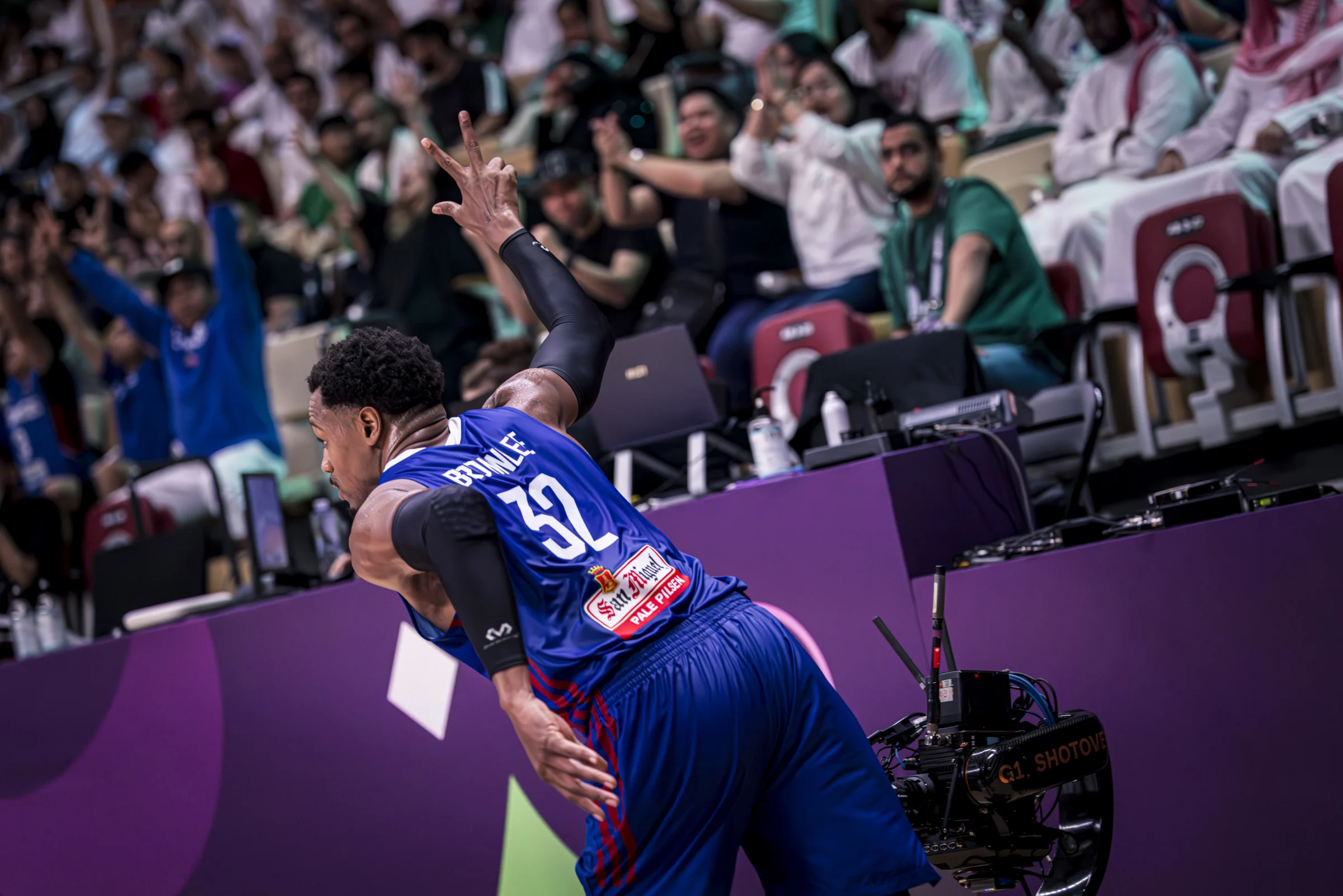
(C) FIBA.basketball
After capping Window 1 of the FIBA World Cup 2027 Asian Qualifiers atop Group A, Gilas now faces the continent’s toughest tests. Following dominant wins over Guam—87-46 in Guam and 95-71 at the Blue Eagle Gym—Gilas enters Window 2 with a clean 2-0 record.
The upcoming window presents stiffer competition: New Zealand on February 26 and Australia on March 1 at the SM Mall of Asia Arena. The third window offers no reprieve, with New Zealand on July 3 and Australia on July 6 completing the Group A round-robin.
The Boomers have won their last five encounters against the Philippines by an average of 27.8 points, including a 60-84 victory in the 2025 FIBA Asia Cup quarterfinals. The only prior win against Australia came in a narrow 101-100 triumph at the 1974 FIBA World Championship.
Meanwhile, despite the historic win against New Zealand in late 2024, Gilas has struggled to replicate that success, falling 70-87 in their last Asia Cup qualifier. Head-to-head, New Zealand has dominated, winning six of seven FIBA-level meetings.
These four matches against Australia and New Zealand will be critical for Gilas to secure a top-three finish in the four-team pool, advancing to the second round of the 2027 FIBA World Cup Asian Qualifiers.
Looking back, 2025 will be remembered as a season of “what could have been.” The victory over New Zealand offered a glimpse of the national team’s potential, but Sotto’s absence served as a stark reminder: Gilas’ ceiling remains tied to its key player.
As the team looks forward, the lessons of 2025 are clear. Depth, adaptability, and continuity must be strengthened—but so too must the belief that once Sotto returns, the promise glimpsed that November night has not been lost, only delayed.