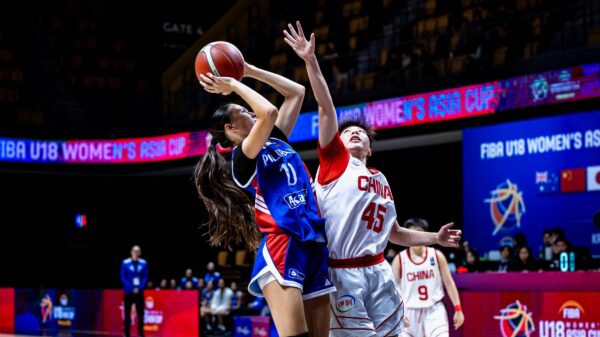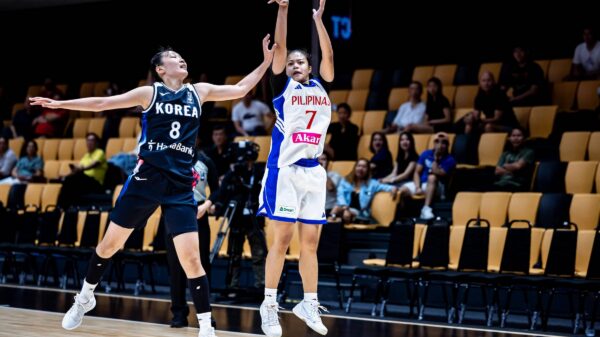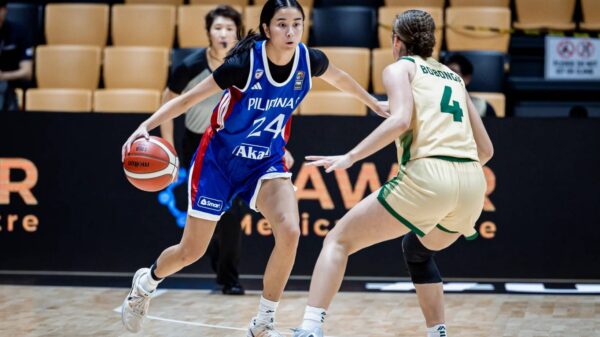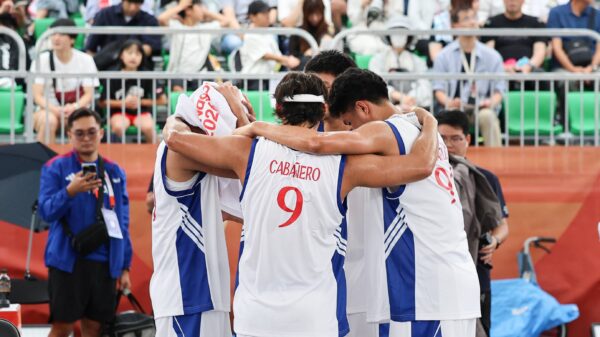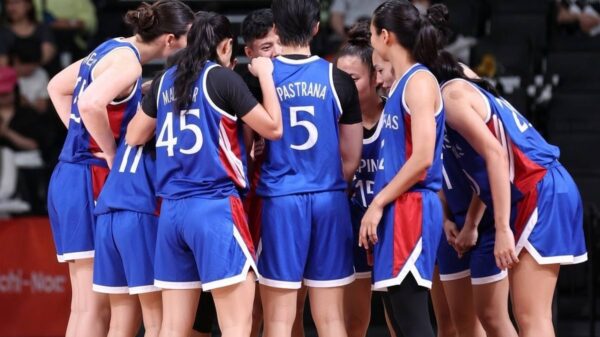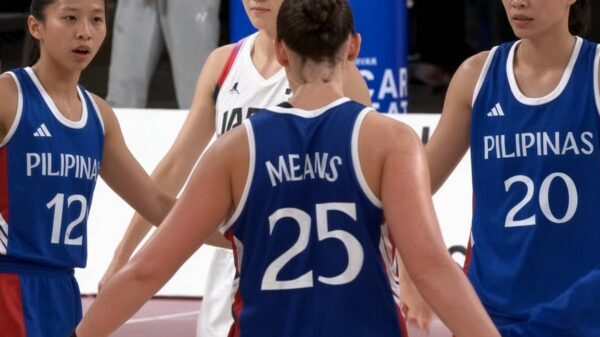

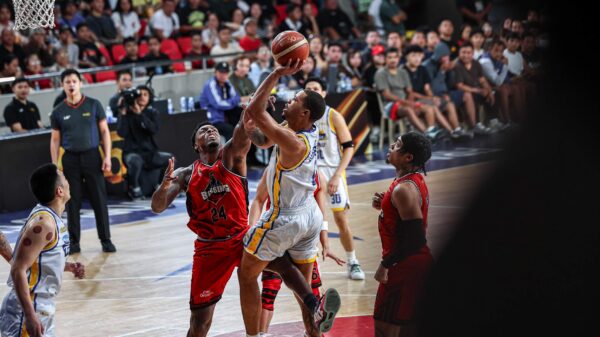





























































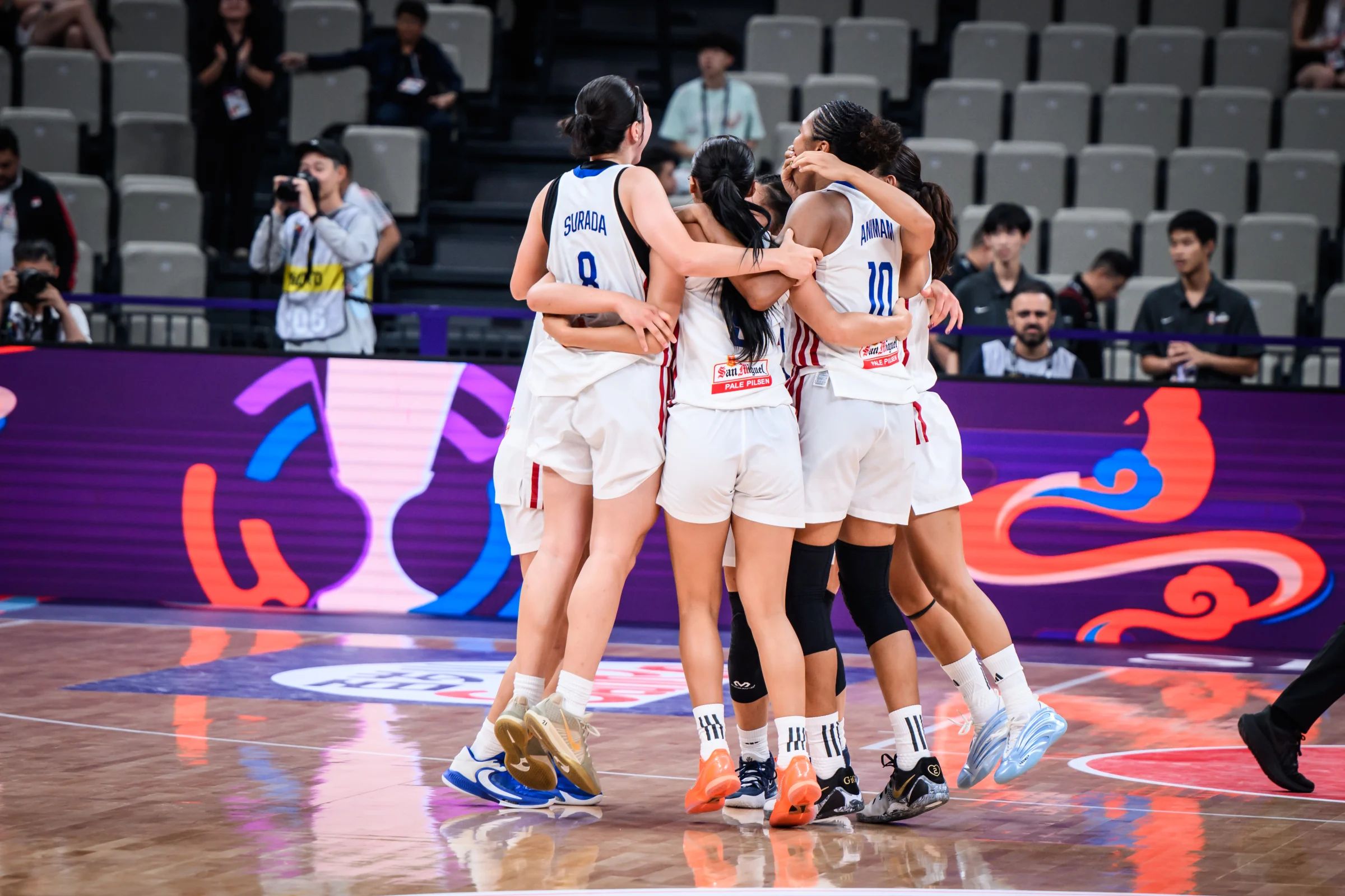

A rematch two years in the making, this game carries immense significance for both teams as they aim to advance deeper into the 2025 FIBA Women’s Asia Cup in Shenzhen, China.
For South Korea, a win would mark a return to the top four in Asia after a historic stumble in 2023, where they finished fifth — the only time in their storied history that they failed to reach the semifinals.
Korea wrapped up the group stage with a 2-1 record: a dramatic 78-76 buzzer-beater win over New Zealand; a competitive first half against host China before falling 69-91; and a dominant 95-62 bounce-back victory over Indonesia.
For the Philippines, a win would mean history. It would guarantee Gilas Women their best-ever finish in the tournament.
Despite a demoralizing 39-115 loss to Australia in their opener, they showed resilience — nearly stunning Japan before narrowly losing, 82-85; and clinching a gritty 73-70 win over Lebanon to at least equal their 6th-place finish from 2023.
The last time these two nations met was in the 2023 battle for fifth.
The Philippines held a slim one-point lead after the first quarter, but South Korea seized control in the second. Though Gilas Women stayed within striking distance, Korea held firm for an 80-71 victory.
This year, both teams return with only six players from that 2023 matchup, giving the game a fresh dynamic.
Stars on Display
(C) FIBA.basketball
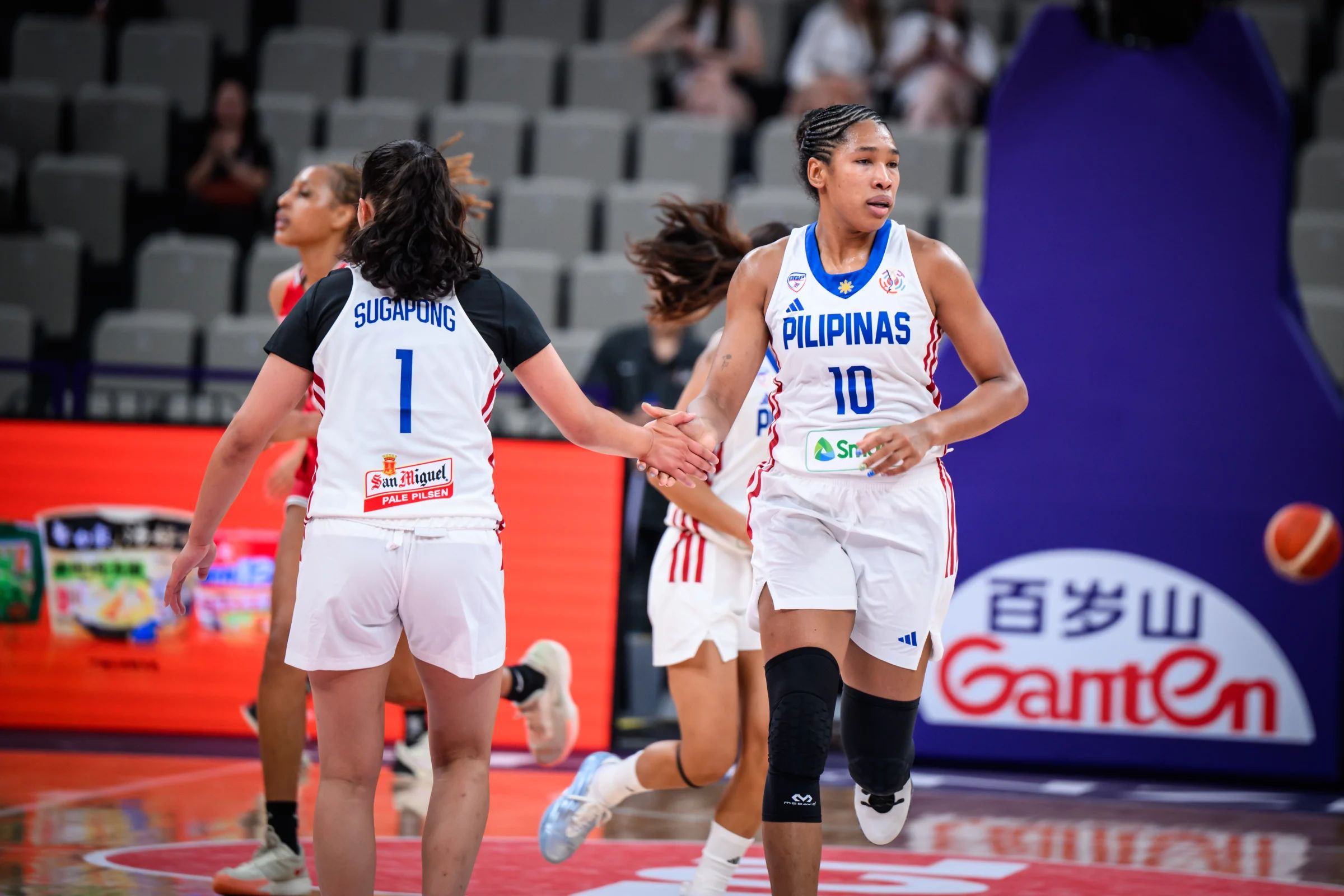
Jack Animam, who has tallied double-doubles in her last two outings, anchors the Gilas frontcourt. Her international experience, having played in Serbia, France, and Romania, will be invaluable against Korea’s size and versatility.
On the other side, South Korea also boasts battle-tested veterans.
Leading scorer Park Ji-hyun, a 6’1 guard-forward hybrid, plays for Azul Marino Sant Josep Palma De Mallorca in Spain’s second division. She leads the entire tournament in scoring (16.0 PPG), ranks 20th in rebounding (4.7 RPG), and is 10th in assists (4.0 APG), showcasing her all-around brilliance.
Backing her up is 6’0 forward Isaem Choi, currently the second-leading scorer of the tournament with 15.3 points per game. Known for her perimeter shooting, Choi hit 5 triples against New Zealand and added 4 more versus China, stretching opposing defenses and creating space in the paint.
Then there’s the 6’6 center Park Ji-su, a former WNBA player for the Las Vegas Aces who was selected 17th overall in the 2018 draft. Although her scoring has been limited due to tough matchups and reduced minutes, she poses a significant challenge to a Philippine frontline anchored solely by Animam in terms of size and strength.
Together, Ji-hyun, Choi, and Ji-su form one of the most dangerous trios in the FIBA Women’s Asia Cup.
But the real engine behind South Korea’s system is Heo Yeeun, a 23-year-old pass-first point guard. Though she rarely looks to score, her court vision and decision-making are elite — she’s dishing out 6.3 assists per game, second-best in the tournament.
However, the lack of consistent production beyond their core four gives the Philippines a ray of hope.
Outside sharpshooter Kang Leeseul, who exploded for 19 points (six triples) in their opener against New Zealand, has not played since due to illness. If she returns on Friday, Gilas will need to account for another lethal threat.
The Blueprint for an Upset
(C) FIBA.basketball
South Korea prefers a methodical style of play — averaging just 5.0 fast break points per game.
Instead, they move the ball around patiently to find open shooters, draining 13 triples per game while ranking third in assists and committing the fewest turnovers among all eight teams.
To pull off an upset, Gilas Women must find a way to slow down Ji-hyun — a tall order, as no one in the current Philippine roster matches her height and mobility.
Still, Coach Patrick Aquino already has a defensive blueprint.
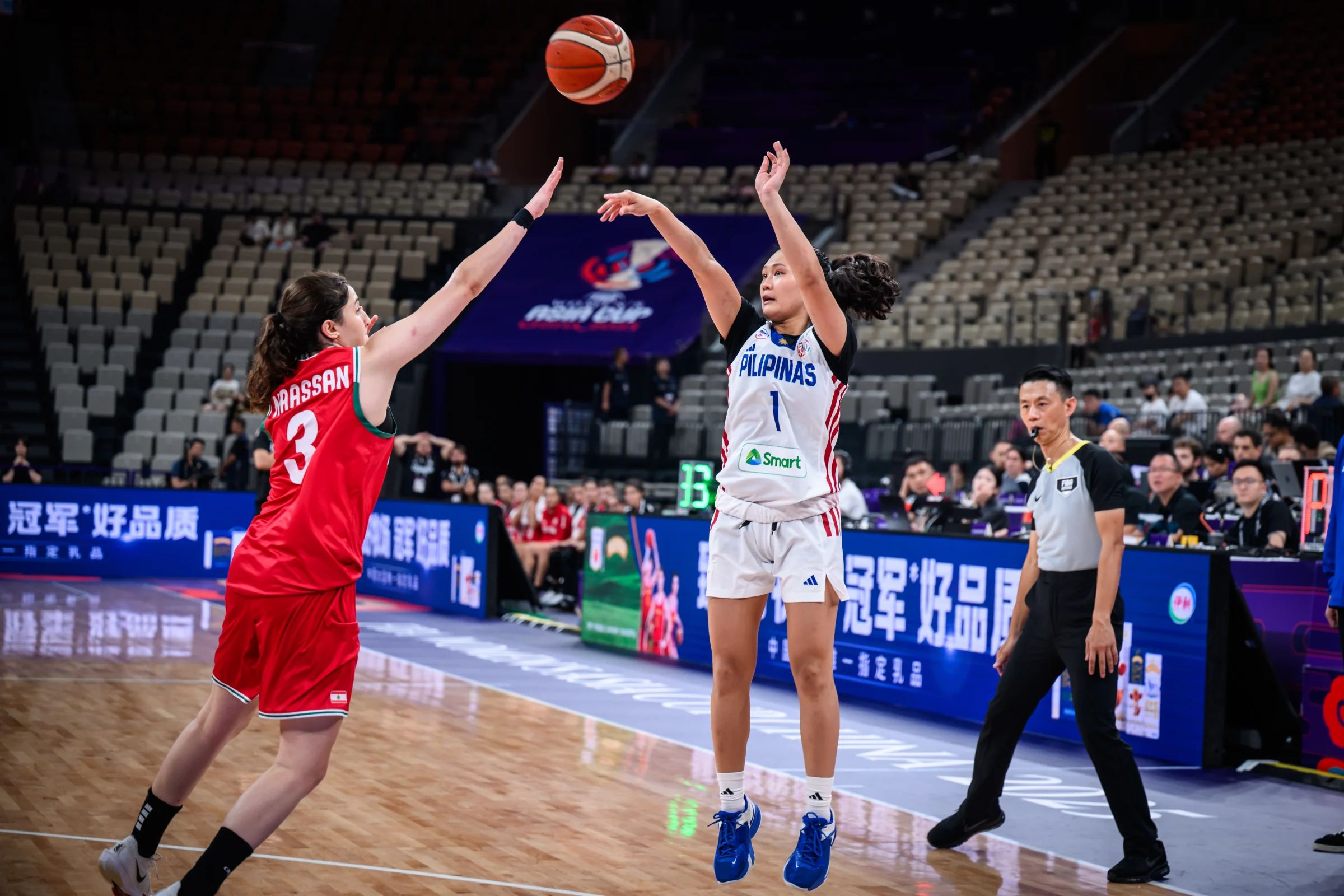
Against Lebanon, Gilas clamped down on their potent backcourt: Rebecca Akl was held to 13 points on 2-of-9 shooting, while Amar Mansour managed only 7 points from 7 attempts.
Defensive discipline and speed will be key for the Philippines.
They must use their quickness to chase Korea’s shooters off the line while controlling the tempo.
If they can turn the match into a fast-paced affair — something South Korea is visibly uncomfortable with — the youth and energy of Gilas Women could tilt the balance in their favor.