

































































































It was a night of pride, promise, and purpose for Philippine football.
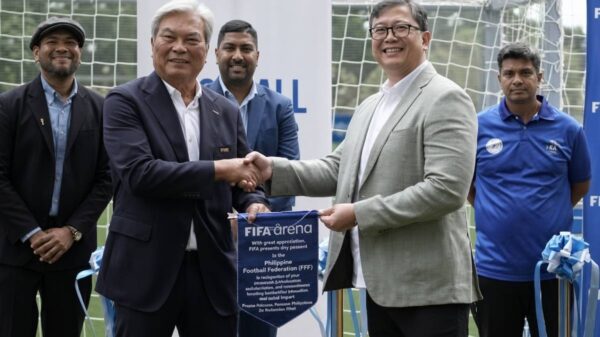
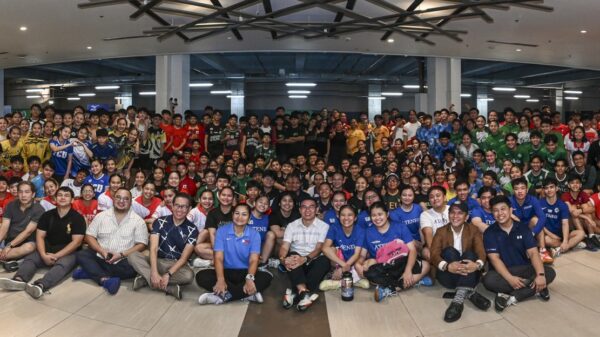
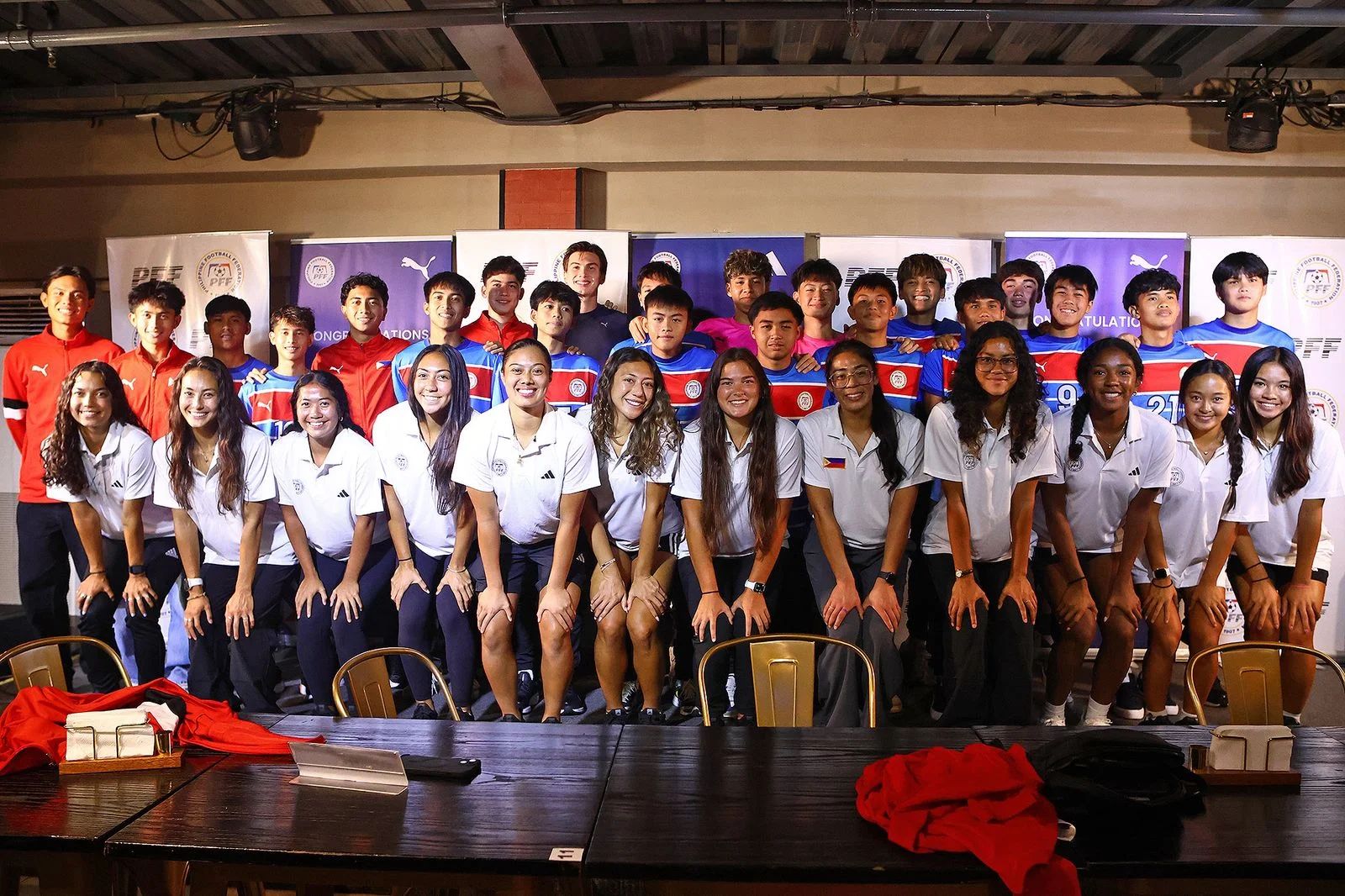
Philippine Football Federation President John Gutierrez beamed with pride last Saturday at Studio 300 as he led the celebration for the Philippine Under-16 Boys and Under-23 Men’s National Teams.
The event recognized their breakthrough campaigns in the 2025 Lion City Cup and the ASEAN U-23 Mandiri Cup, respectively — tournaments where Filipino squads once faced early exits, but are now turning heads.
The evening also doubled as a sendoff for the Philippine Women’s National Team, bound for their ASEAN MSIG Serenity Cup 2025 title defense — a symbol of how far the country’s football program has come and where it’s determined to go.
“We’re very happy that our teams are performing, that we’re doing something right, I suppose,” said Gutierrez. “We’re excited for the future. These tournaments are preparations, of course, for the bigger tournaments for both senior teams.
“Honing our young boys and our young girls to make the senior level — that’s the goal we have. But of course, winning some tournaments along the way doesn’t hurt.”
Breaking New Ground
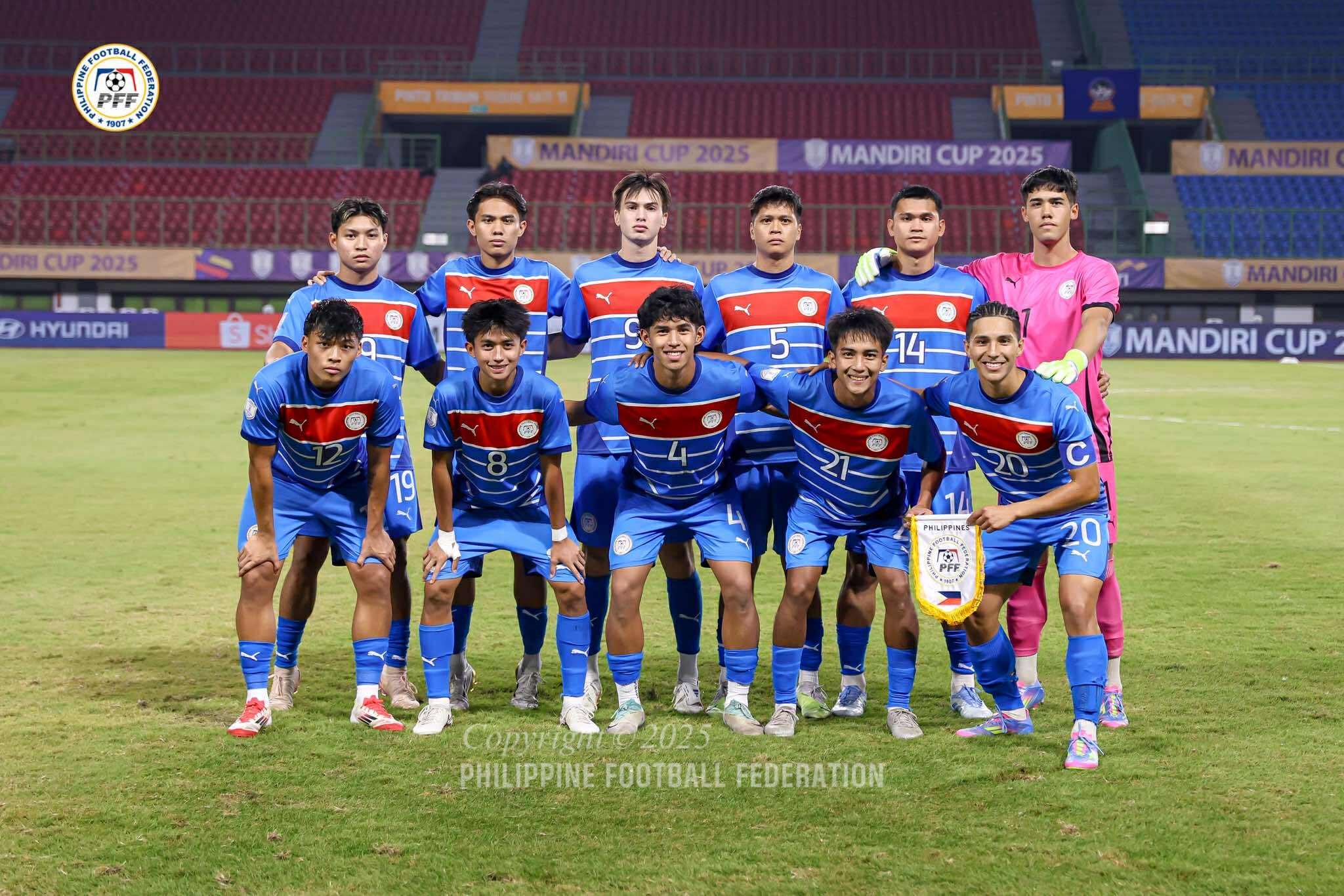
It’s rare to see a Philippine U-23 side make waves in international competition. Prior to this year’s Mandiri Cup, the team had failed to progress past the group stage in all four previous attempts.
But something changed.
Under head coach Garrath McPherson, the young Azkals defeated Malaysia and Brunei in the group stage and narrowly fell to host Indonesia. With every match, expectations grew.
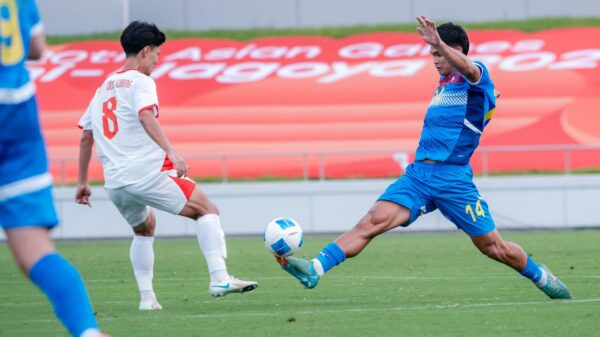
Though the team eventually bowed out in the semifinals to Vietnam and lost the bronze medal match to Thailand, spirits remained high. This squad had achieved something the country had never seen at this level — and more importantly, hinted that this was only the beginning.
“Can you imagine we lost to the defending champion by one goal and we scored first? They actually escaped us,” Gutierrez said, referring to the 2-1 semifinal loss to Vietnam. “Again, we’re not getting into these tournaments to just participate and be compliant. Ngayon, naglalaro na tayo para manalo. It’s really very good.”
The Mandiri Cup served as a key tune-up for the squad’s next challenge: the 2026 AFC U-23 Asian Cup qualifiers in Dushanbe this September. The Philippines has been drawn into Group K alongside host nation Tajikistan, Syria, and Nepal.
Only the top team is guaranteed qualification, with second-place teams depending on favorable results across other groups.
Gutierrez noted the overlap with the UAAP season and the 33rd Southeast Asian Games later in the year may complicate preparations, but he remains confident in the coaching staff.
“I’ll be honest with you, the reason we have coaches is exactly for that reason. Hahayaan ko sila mamoblema diyan, but tayo as the Federation, we fully support what the coaching staff have planned or the programs they have set up for preparing for these tournaments.”
What’s Next for McPherson?
Coach Garrath McPherson’s future remains uncertain.
Currently serving with the Filipinas in Vietnam under head coach Mark Torcaso for the MSIG Serenity Cup, McPherson was only brought into the men’s program shortly before the Mandiri Cup.
Still, his impact has already left a mark.
“Well, it’s something we have to deliberate on. I’ll tell you something, though — he exceeded expectations. He exceeded expectations,” Gutierrez admitted.
Rooted in the Future
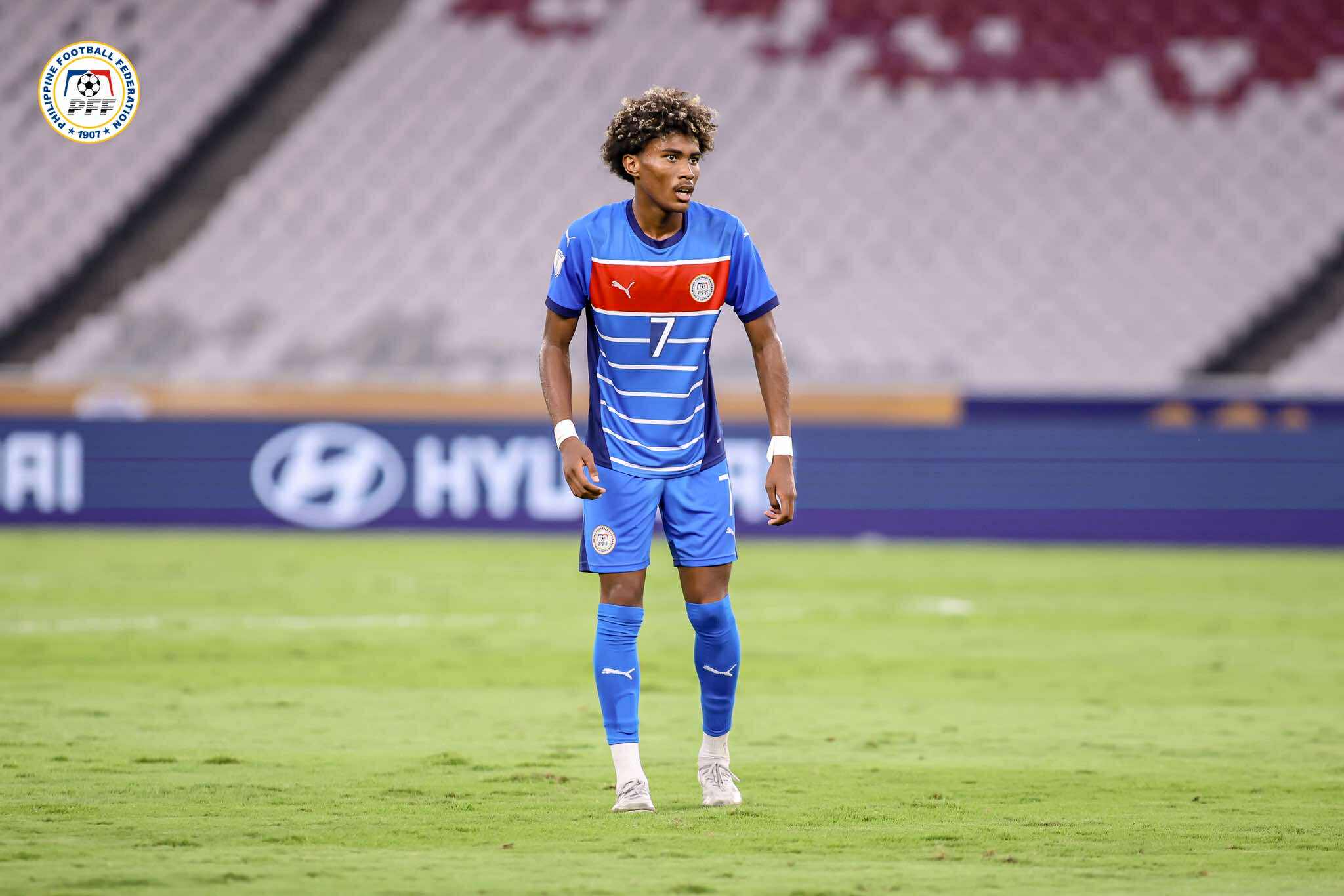
(C) PFF
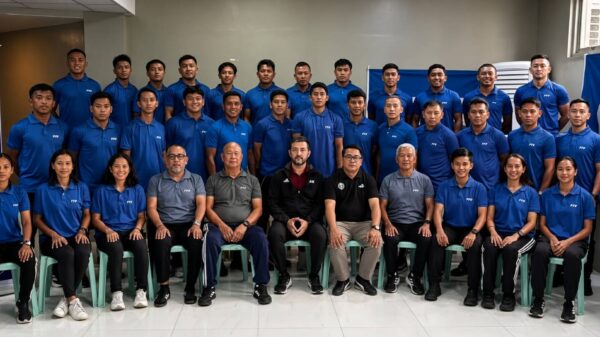
As online conversations continue over the balance between Filipino-foreign players and locally developed talent, Gutierrez emphasized the PFF’s long-term commitment to building a strong grassroots foundation.
“The only reason why you don’t hear about grassroots is that it’s on the ground. We’re doing that concurrently and in parallel with the national teams. Hindi natin kinakalimutan yung grassroots,” he explained.
“It’s always been there: adding programs, advancing coaching courses. So pantay-pantay lang yan. Yung mga bata na tinuturuan natin ngayon, in 10–20 years, they will be the ones here enjoying the fruits of our sacrifices.”
Transforming the country’s football culture at the grassroots level won’t happen overnight. Gutierrez acknowledged that securing sponsorships may be harder at this stage, as it lacks the visibility and glamor of the senior national teams. But that hasn’t deterred his vision.
“We’re gonna go international standards,” he said. “We should never play kids 11-a-side, diba? We should systematize it because kids shouldn’t be playing on big fields. They should be honing their skills one-on-one.
“We start 4-v-4, 5-v-5, 8-v-8, and this is all part of the curriculum now to teach football at a young age. Yun yung hindi natin masyadong nakikita because it’s not televised, but trust me, we’re doing a lot of improvements at the grassroots level.”
The results are starting to show.
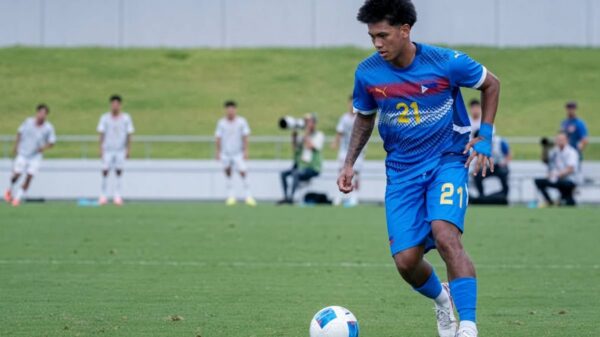
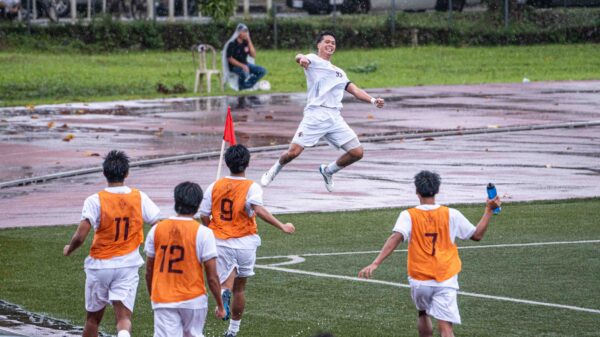
Eighteen-year-old Otu Banatao, who scored three goals in the Mandiri Cup, is already a symbol of this new era.
With a strong youth development program, growing local support, and a renewed commitment to competitiveness, Philippine football is no longer just showing up.
It’s showing up to win.