






















































The Philippines’ historic hosting of the first-ever FIFA Futsal Women’s World Cup was more than a showcase of organizational excellence—it was a powerful reflection of the Filipino spirit.
From the opening whistle to the final match, the tournament embodied shared pride, collective energy, and an unwavering commitment to elevating women’s sports from the grassroots to the global stage.
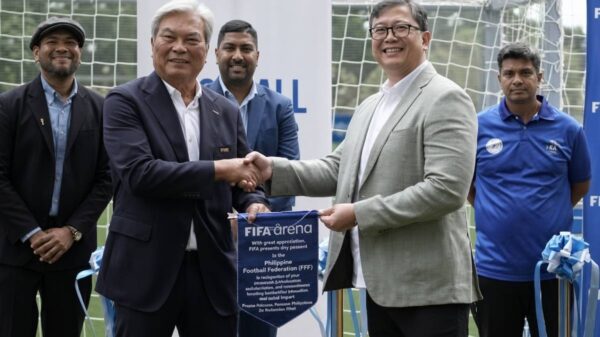
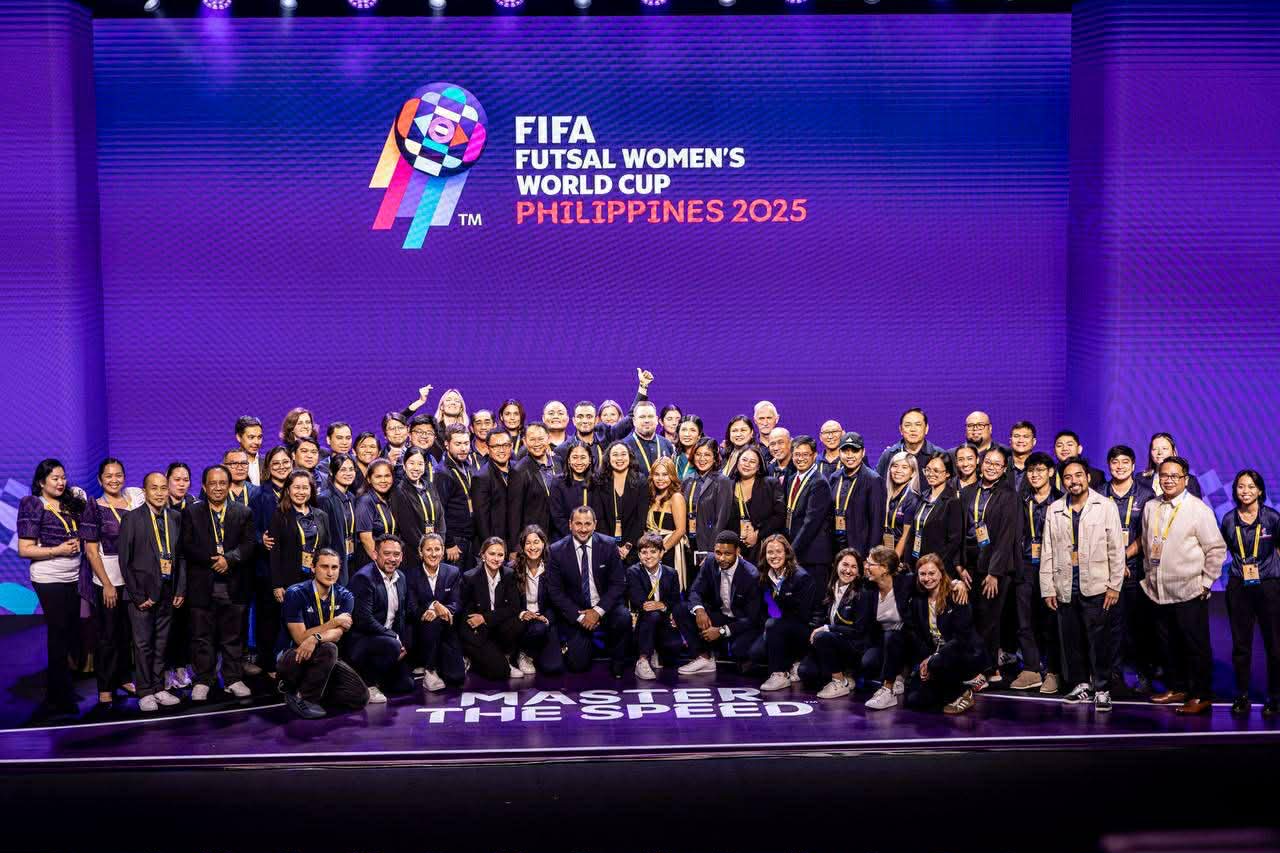
In recognition of this milestone achievement, the Philippine Football Federation honored the individuals whose dedication, passion, and teamwork transformed the inaugural edition into a resounding success—not only for the Philippines, but for women’s futsal worldwide. Through the combined efforts of countless women and men who gave their time, strength, intellect, and resources, the World Cup leaves behind a lasting legacy forged by thousands of hands and hearts.
The PFF also extended its deepest gratitude to His Excellency President Ferdinand “Bongbong” Marcos Jr. for the government’s invaluable support, delivered through the Philippine Sports Commission led by Chairman Patrick “Pato” Gregorio. The federation likewise acknowledged the PSC staff, government personnel, and committed auxiliary forces who ensured the smooth and successful staging of the FIFA Futsal Women’s World Cup 2025.
“We commend and congratulate the 500-strong unsung heroes who made the FIFA Futsal Women’s World Cup 2025 a success,” said PFF President John Gutierrez. “With you, we showed the world that Filipinos can host a truly world-class sporting event.”
PFF also expressed its appreciation to the Philippine Olympic Committee, led by President Abraham Tolentino, as well as to FIFA Council Member Nonong Araneta, whose support bolstered confidence in hosting the landmark tournament.
Behind every match, every cheer, and every breakthrough were people whose devotion and service will inspire generations to come.
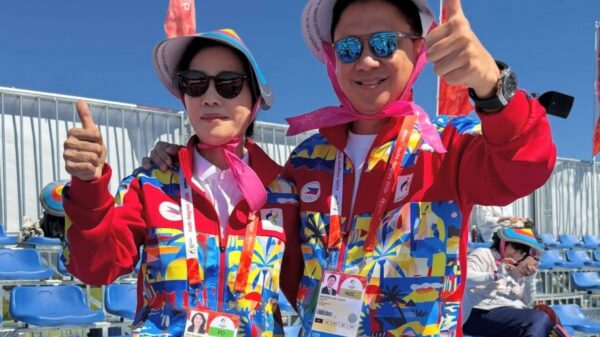
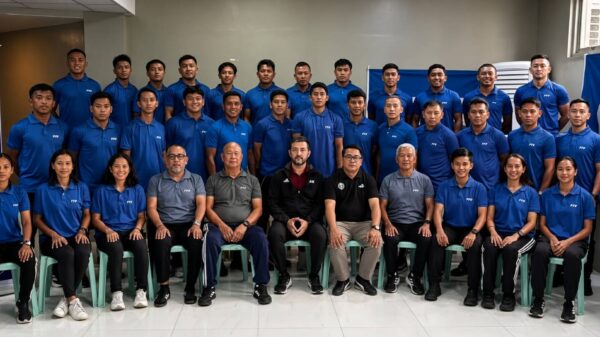
PFF General Secretary Gelix Mercader, who oversaw the Local Organizing Committee, extended heartfelt thanks to the nearly 300 volunteers, 150 LOC staff, and 100 auxiliary personnel whose dedication and warmth powered the tournament’s success.
“Kayo po ang mga tunay na bayani ng World Cup na ito. Maraming salamat po sa inyong dedikasyon, sipag, at tibay,” Mercader said.
“It was very humbling to host the inaugural FIFA Futsal Women’s World Cup—and even more humbling to see it succeed. We dedicate this to all the futsal and football players across the country who made this possible,” he added.
PSC: A Driving Force
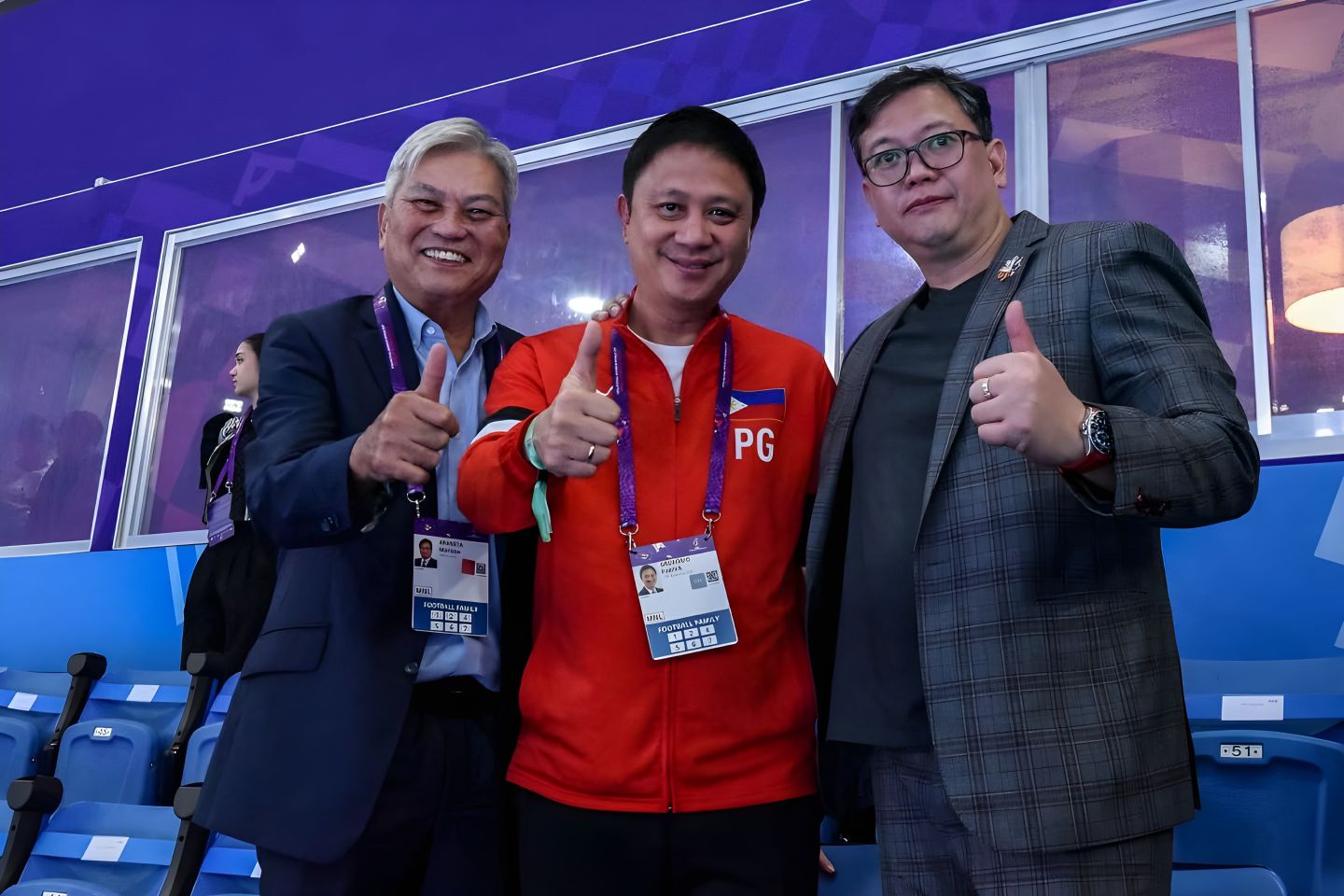 Despite being newly appointed, PSC Chairman Pato Gregorio quickly emerged as a driving force behind the tournament, championing the event and ensuring that critical support reached the PFF without delay. His leadership helped set the tone for the unity and efficiency that defined the World Cup.
He was joined by Commissioners Walter Torres, Bong Coo, Edward Hayco, Matthew Gaston, and Executive Director Atty. Guillermo Iroy, who helped lead the government’s Inter-Agency Task Force, with the PSC serving as chair.
Inspired by the tournament’s impact and the growth potential of futsal, the PSC is now studying the designation of the PhilSports Arena as a permanent futsal venue. As the sole competition hall of the FFWWC25, the venue was transformed into a world-class pitch—presenting, as officials noted, “a chance to build something big and lasting.”
Government Inter-Agency Task Force: Bayanihan at its Finest
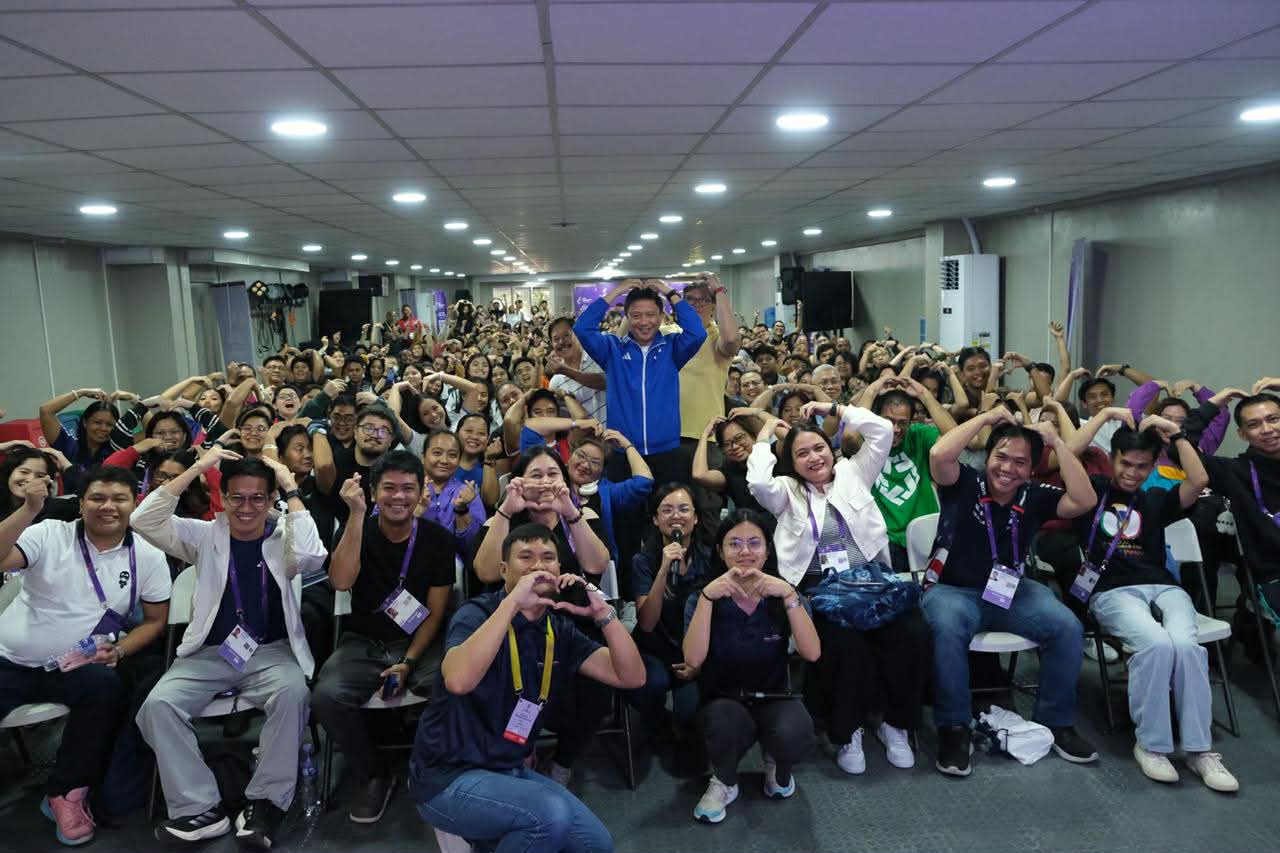 The PSC-led IATF ensured that all government-related requirements of the tournament were met, fostering a strong spirit of bayanihan among national agencies, the PSC, and the Local Organizing Committee.
Participating agencies included the DILG, DOT, DFA, DOF, DBM, DOH, DICT, DPWH, DOTr, PNP, BOI, MMDA, NICA, NBI, IPOPHL, and PCO.
The LOC was overseen by PFF top management, with Gutierrez serving as chair and Mercader as CEO.
They were supported by the PFF Executive Committee, including Female-at-Large Member Belay Fernando as Government Relations Head, and First Vice President Lawrence Fortun under the FFWWC 2025 Preparations Committee.
PFF Deputy General Secretary Kevin Goco also served on the oversight committee, while UAAP Football Commissioner Rely San Agustin acted as Tournament Director during the preparatory phase.
“This World Cup was the result of collective leadership and shared accountability,” Gutierrez said. “Every decision was guided by our responsibility to deliver an event worthy of the global stage, while ensuring the prudent use of resources entrusted to us by the government.”
A total of 155 dedicated individuals formed the core LOC, enduring months of intense preparation and the relentless pace of match days.
Hosting the FFWWC25 demanded not only operational excellence, but also disciplined data management, careful documentation for knowledge transfer, and responsible stewardship of public funds—each embraced with professionalism and care as Philippine football continues to establish itself as a trusted host of major international events.