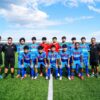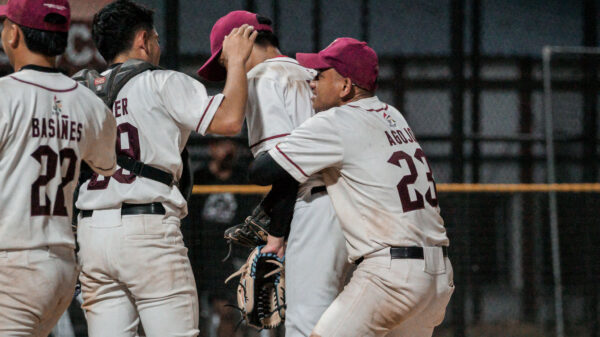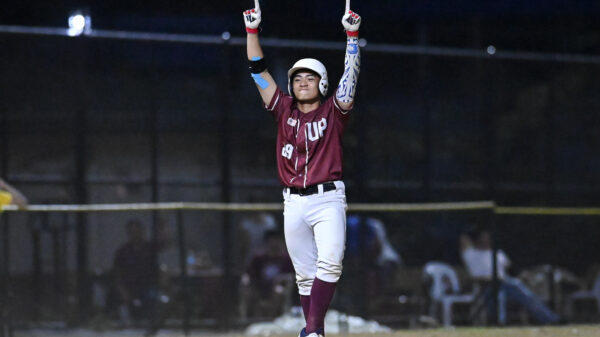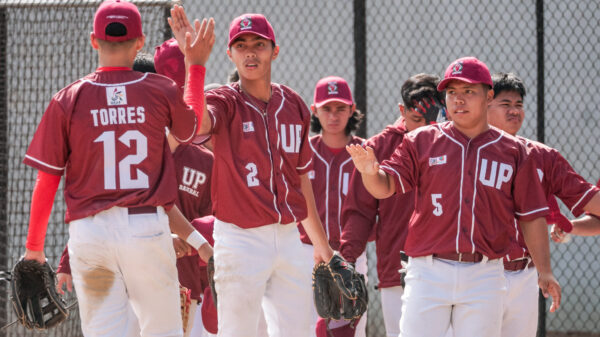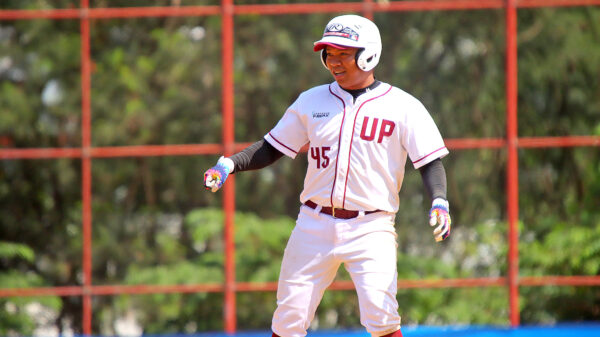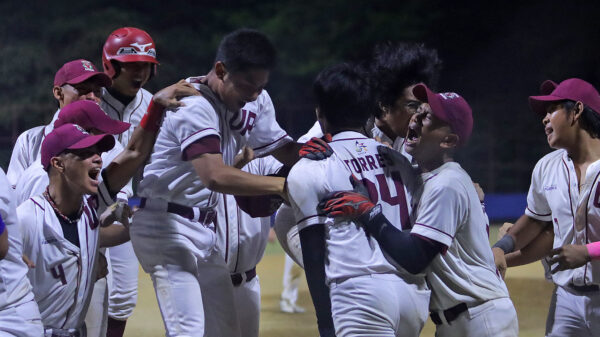


























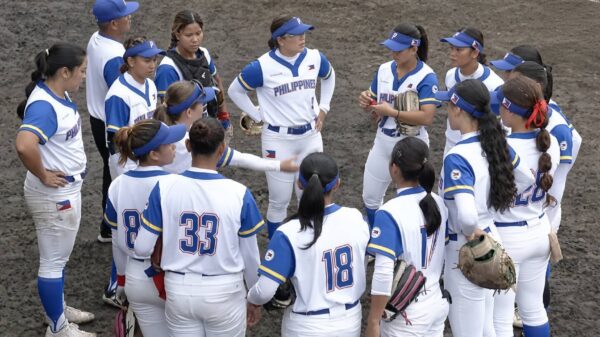
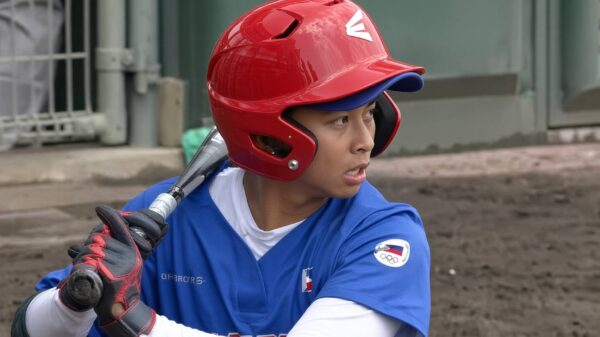





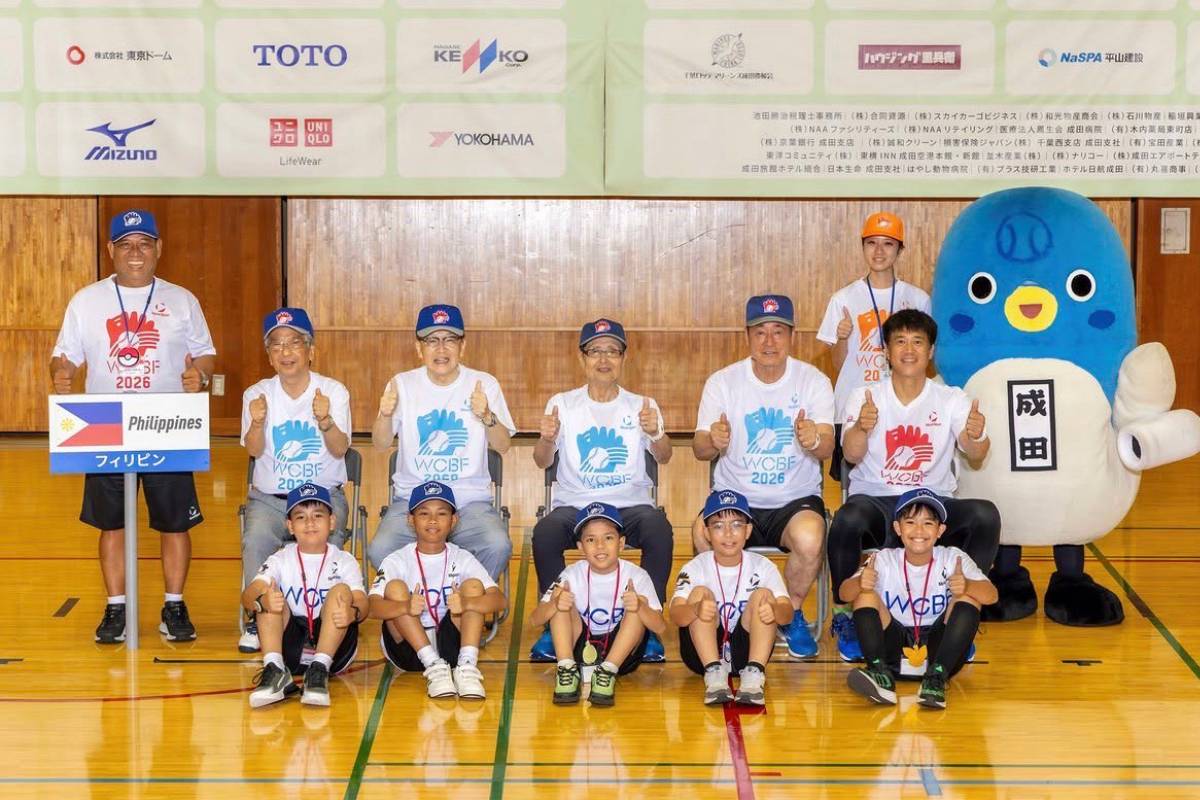

Five young Filipino baseball players from Metro Manila and Rizal represented the country at the 32nd World Children’s Baseball Fair in Narita, Chiba, Japan, joining young athletes from around the world for nine days of baseball, cultural exchange, and international friendship.
Representing the Philippines were Bucky Aligada of Quezon City; Francis Melvin Alquiros of Antipolo City; Matthew Casamorin of Marikina City; Joaquin Dela Merced of Antipolo City; and Keann Jacob Llanes of Parañaque City.
Held from July 30 to August 7, the 2026 WCBF brought together young baseball players from 11 countries. The Filipino delegation took part in six days of baseball clinics, as well as cultural and exchange activities that gave the boys an opportunity to experience Japan while forming friendships with children from different parts of the world.
For the five boys, however, the experience ultimately became about much more than improving their baseball skills.
“The biggest lesson I learned was how to make new friends,” said Aligada. “Most of them were from other countries which made me happy because I rarely make new friends outside of my school.”
Alquiros said the experience taught him how baseball could bridge differences in language and culture.
“Baseball is not only about playing the game, but also about friendship, teamwork, respect, and learning about other people and cultures,” he said.
He recalled feeling homesick during his first two days away from his family before gradually becoming more comfortable — an experience that taught him independence, courage, and a willingness to try new things.
For Casamorin, some of the most valuable lessons extended beyond the baseball field.
“I learned that baseball is not the most valuable, but discipline and kindness is the most valuable lesson to learn because the discipline and kindness we learned will stay with us forever,” he said.
Casamorin also treasured the opportunity to learn more about baseball, have fun, and make friends with children from different countries — experiences he said he would remember and cherish after returning to the Philippines.
Dela Merced similarly came home with a broader appreciation of what the sport could teach him.
“My biggest lesson from WCBF is that baseball is not only about winning, but also about teamwork, discipline, respect, and making friends with other players from different countries,” he said.
Llanes, meanwhile, described the experience as an opportunity to appreciate every moment and the relationships formed along the way.
“The biggest lesson I learned in WBCF is to enjoy every moment and treasure the friendships I make,” Llanes wrote. “I also learned that hard work and teamwork can help us achieve our goals.”
Among his favorite memories was getting to see and play on a baseball field in Japan for the first time, an experience he said he would never forget.
Baseball as a Bridge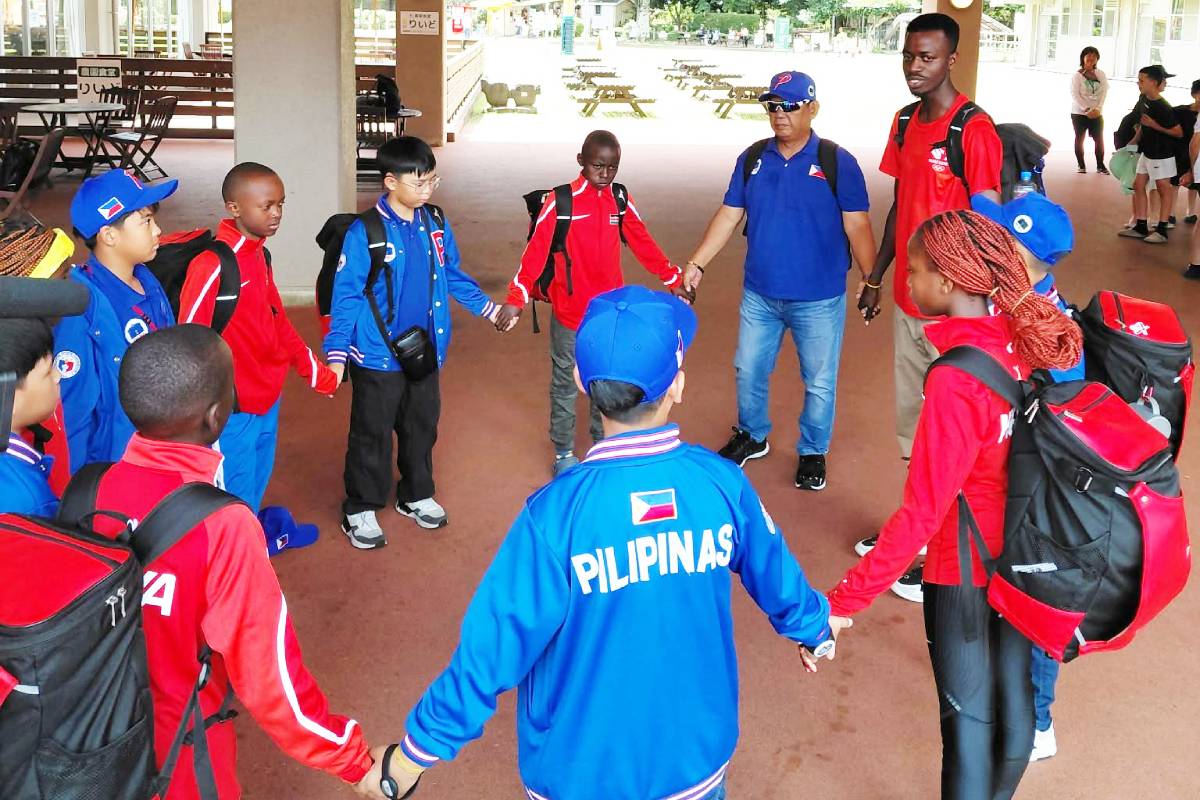
Founded in 1990 through the efforts of Japanese baseball legend Sadaharu Oh and American baseball great Hank Aaron, the World Children’s Baseball Fair was created with two goals at its heart: to help spread and develop baseball around the world and to use the sport to build friendship and goodwill among children of different nationalities.
Those goals were reflected in the experiences of the five Filipino participants.
The boys took part in six baseball clinics at Jube Sports Field Nakadai, where they were exposed to different drills, techniques, and approaches to teaching the game.
Their schedule also took them beyond the baseball field. Participants went bowling, toured Naritasan Shinshoji, visited Narita International Airport for a Japan Airlines aircraft tour, and went to ZOZO Marine Stadium to experience professional baseball in Japan.
For young players experiencing Japan and its baseball culture firsthand, the combination of training, cultural immersion, and interaction with children from other countries made the lessons much bigger than anything that could be taught through a drill.
They came home talking about friendship, discipline, kindness, respect, independence, teamwork, and gratitude — and about how baseball allowed them to connect with children they might otherwise never have met.
Young Ambassadors for Baseball
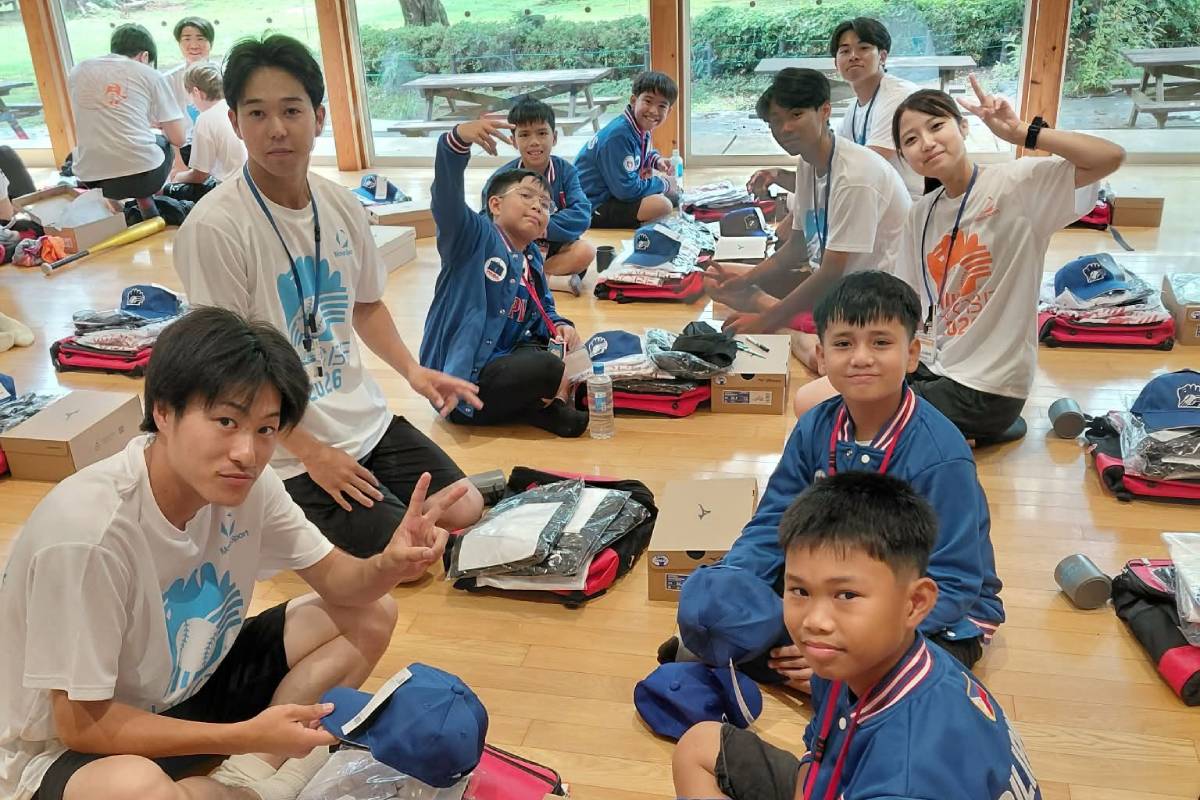 The experience also carries a purpose beyond their time in Japan.
The boys now have the opportunity to bring what they learned back to their own teams and communities — from Quezon City and Marikina to Antipolo and Parañaque — sharing the habits, values, and love for the game they gained through WCBF and, at a remarkably young age, beginning to serve as ambassadors for baseball.
Coach Anthony Dizer, who accompanied the Philippine delegation as its chaperone, believes that is where much of the lasting value of the experience lies.
“The experience should not end when the plane lands back in Manila,” Dizer said.
“They can bring the drills, habits, discipline and attitudes they picked up in Japan back to their teammates. They can tell other young players what baseball is like outside the Philippines. In their own small way, they can become ambassadors for the game.”
That desire to pass the experience on is already evident among the boys themselves.
Alquiros said he hopes that one day he can help other children receive the same opportunity.
“I hope that someday I can give back and help other kids experience the same opportunity that you gave me,” he wrote.
For five boys still developing as players themselves, the opportunity to influence and inspire other young athletes may prove to be one of the most meaningful things they brought home.
Gratitude to WCBF, PABA, and Coach Anthony
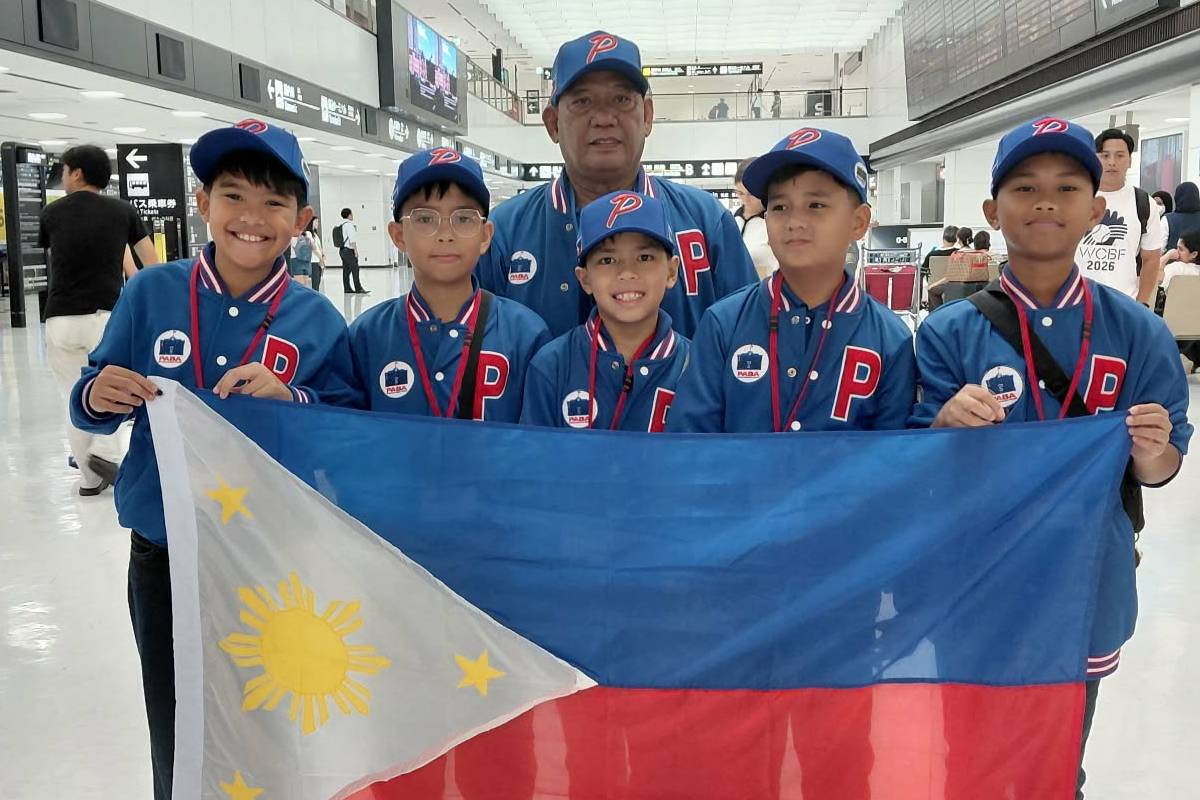 The five players expressed their gratitude to the World Children’s Baseball Fair for giving them the opportunity to learn the game, experience Japan, and build friendships with children from around the world.
They likewise thanked the Philippine Amateur Baseball Association (PABA) for giving them the opportunity to represent the Philippines.
Dela Merced described himself as “very grateful and proud” to have been part of WCBF, while Casamorin said he returned to the Philippines happy and would remember and cherish his time in Japan.
The boys also expressed their appreciation for Dizer, who accompanied the delegation and took responsibility for the five young players throughout their stay.
For the families who entrusted their children to the delegation thousands of kilometers away from home, his role went well beyond that of a chaperone. Dizer made sure the boys were where they needed to be, were eating properly, kept track of their belongings, and, most importantly, came home safely.
Alquiros thanked him for his “time, effort, patience, and guidance,” while Aligada summed up his gratitude simply: “Thank you Coach Anthony for taking care of us in Japan.”
For Dizer, watching over the boys also gave him a front-row seat to their growth.
“I saw five Filipino boys step outside what was familiar to them and embrace a different culture, a demanding schedule and new ways of learning the game they love,” he said. “I watched them represent their families, their teams and the Philippines.”
The five left Manila as young ballplayers given an extraordinary opportunity to represent their country.
They came home with new skills, new friendships, greater independence, and a deeper appreciation of what baseball can mean beyond competition.
Now comes the opportunity to pass those lessons on — to their teammates, their communities, and the next generation of young Filipino ballplayers.
Dizer perhaps summed up the nine-day experience best:
“I went to Japan thinking my job was to watch over five young baseball players. I came home realizing that I had been given the privilege of watching five young ambassadors of Philippine baseball grow up a little bit right in front of me.”