




























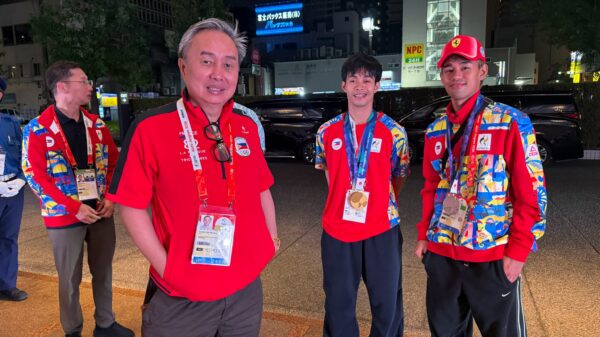




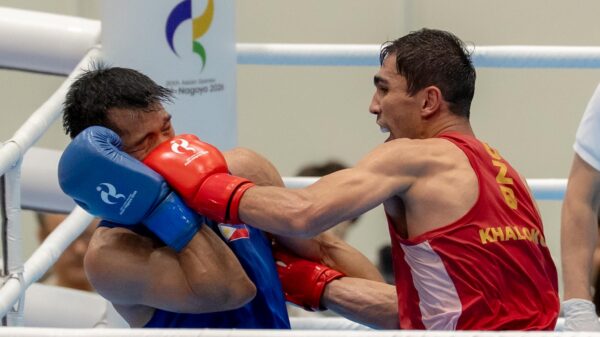
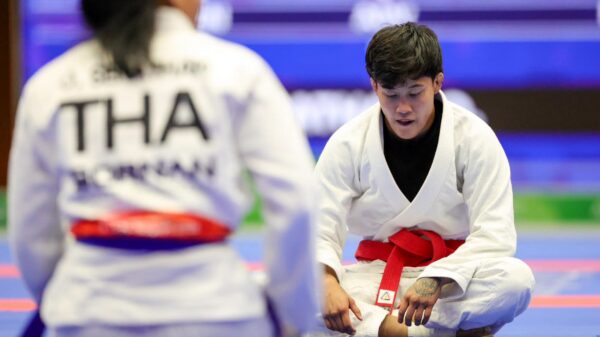

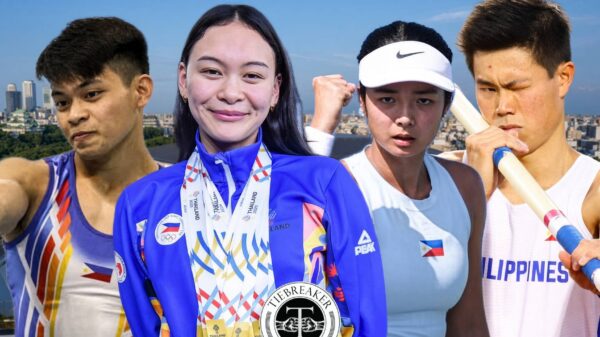
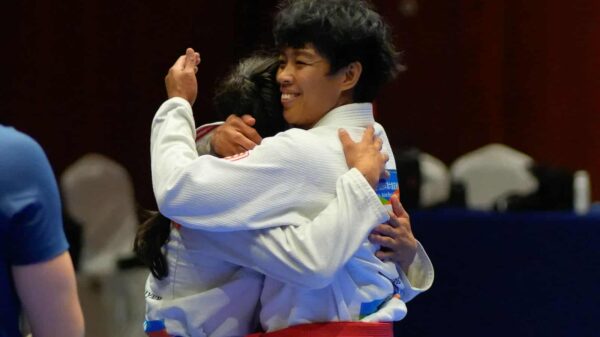















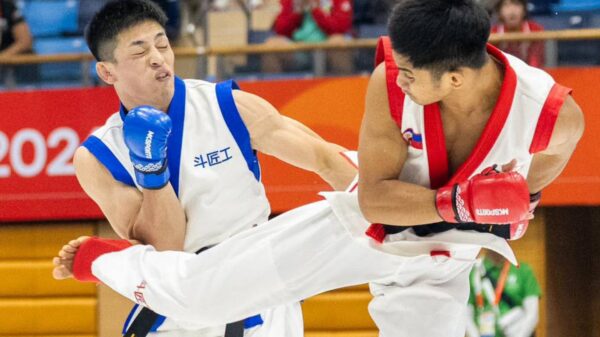
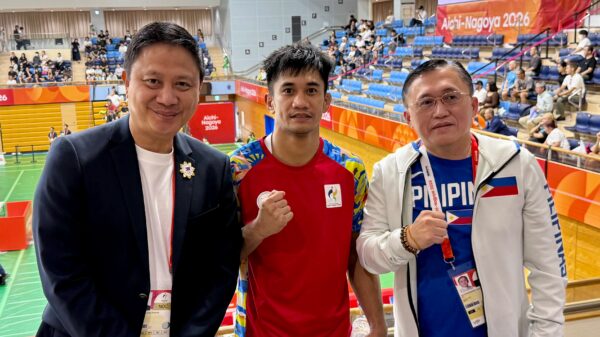

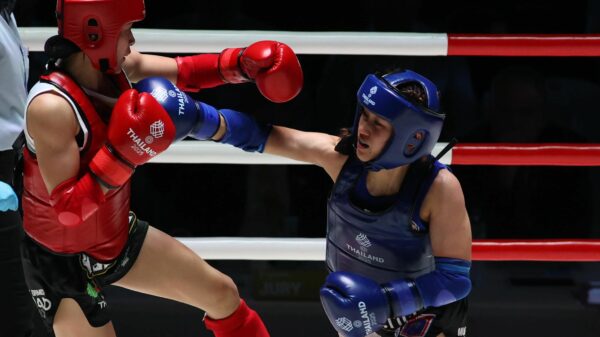






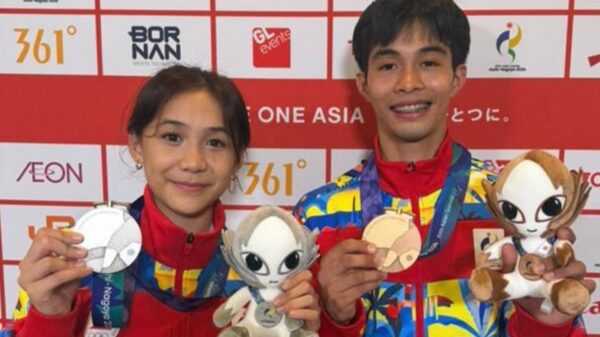


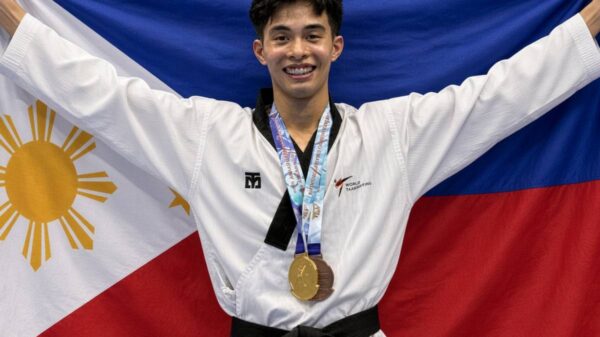



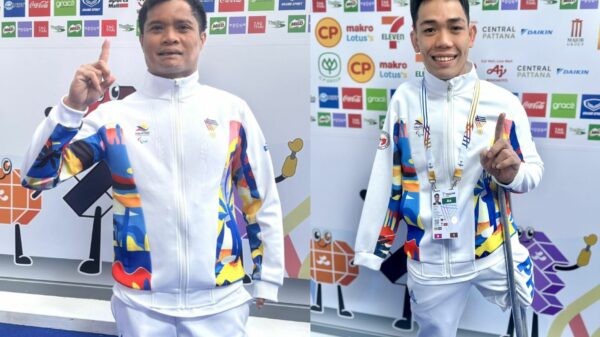
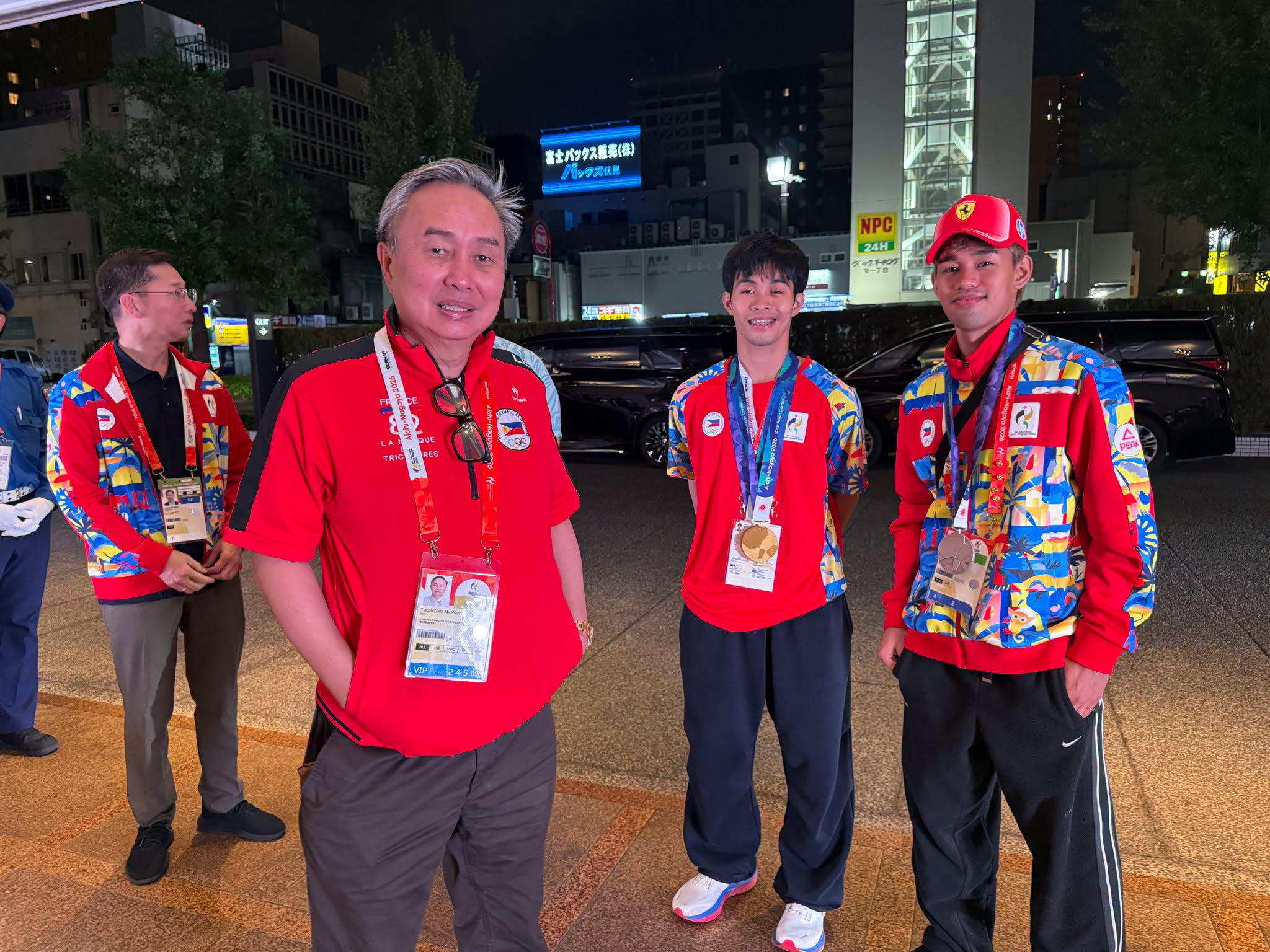

Philippine taekwondo is setting its sights on the 2028 Los Angeles Olympics after producing its best-ever medal haul in the 20th Asian Games in Aichi-Nagoya.
The national jins collected five medals at the Toyohashi Gymnasium from October 1 to 3, highlighted by Jeus Yape’s historic gold in virtual taekwondo.
The Philippines also secured three silver medals and one bronze to finish third in the continental standings behind powerhouse South Korea and Iran.
The five-medal haul marked a significant improvement from the country’s lone bronze medal in taekwondo at the 19th Asian Games in Hangzhou, won by Patrick King Perez in men’s individual poomsae.
“Of course, we will take that Olympic challenge seriously—because the Olympic level is practically the same as the Asian level,” said Philippine Taekwondo Association official Rocky Samson.
“In taekwondo, the athletes who win medals at the Olympics actually come from Asian countries as well. So this performance serves as a strong indication of our level as we prepare to qualify for the Olympic Games,” he added.
Tokyo Olympian Kurt Barbosa and 18-year-old Tachiana Mangin spearheaded the Philippines’ charge in kyorugi, both reaching the championship bouts of their respective Olympic weight classes.
Barbosa advanced to the men’s -58kg final after defeating Saudi Arabia’s Abdullah Essa A Almushraf, 2-0, in the Round of 16, edging Japan’s Hidetaka Maeda, 2-1, in the quarterfinals, and sweeping Jordan’s Jafar Aldaoud, 2-0, in the semifinals.
The 27-year-old ultimately settled for silver after Kazakhstan’s Tamirlan Tleules prevailed, 2-0, in the gold medal match.
Mangin also went all the way to the final of the women’s -49kg division, beating Kazakhstan’s Rita Bakisheva and Chinese Taipei’s Wang Chieh-ling by 2-1 decisions before overcoming Japan’s Ruka Okamoto, 2-1, in the semifinals.
The teenage standout fell to China’s Ma Jingyue, 2-0, in the final to take home silver.
“In the women’s division, Tachiana is right there, and among the men, Kurt is right there—plus we have many up-and-coming young athletes, fiery young blood,” Samson said.
The Philippines also saw Baby Jessica Canabal finish fifth in the women’s -57kg class, while Dave Cea, who competed at the 2023 Asian Games, placed ninth in the men’s -80kg division.
The country’s success extended beyond kyorugi, with Yape delivering a breakthrough across both traditional and virtual disciplines.
The 22-year-old first claimed bronze in men’s individual poomsae on October 1 before returning to action the next day in mixed individual virtual taekwondo.
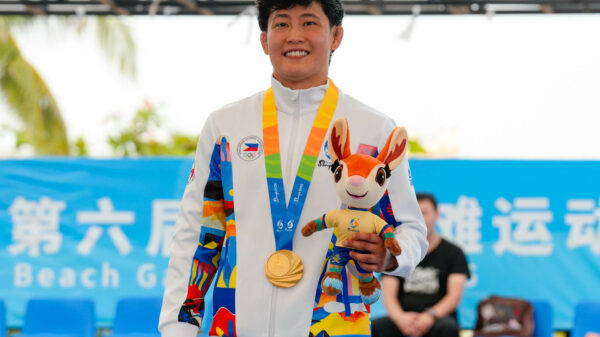
Yape defeated Saudi Arabia’s Dunya Bushuaib A Saber, 2-1, Japan’s Hayate Suzuki, 2-0, and Kazakhstan’s Bakisheva, 2-0, to reach the final. He then swept Vietnam’s Chau Ngoc Tuyet Sang, 2-0, for the gold medal.
The victory gave the Philippines its first Asian Games taekwondo gold since 1994.
Yape’s performance also earned him another distinction as he was selected as Team Philippines’ flag bearer for the Closing Ceremony.
Eighteen-year-old Juliana Candelaria added a silver medal in women’s individual poomsae on the opening day, further highlighting the depth of the country’s emerging talent.
Samson credited the program’s grassroots system and Filipino coaching staff for the breakthrough but stressed that the team must continue evolving ahead of the Olympic cycle.
“We cannot stay static. Training and sacrifice must be continuous, and we have to develop different styles so that the next time we step out, we have new weapons in our arsenal for the Olympic qualifiers,” he said.
The federation is also hopeful that virtual taekwondo can eventually find a place in the Olympic program.
“They are lobbying for Virtual Taekwondo—if not as a regular event in LA, hopefully at least as an exhibition game, because this is the wave of the future,” Samson said. “We are No. 3 right now in taekwondo behind Korea and Iran, and hopefully we keep climbing straight to the top.”