














































































By: Icko de Guzman
The Philippines no longer speaks of women’s football in terms of potential.
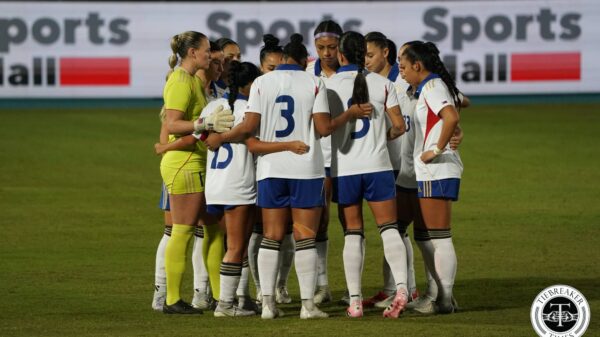
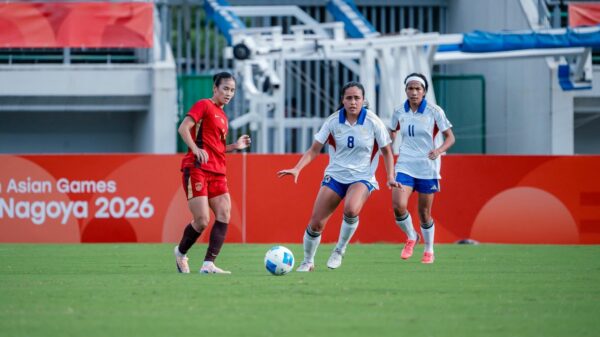
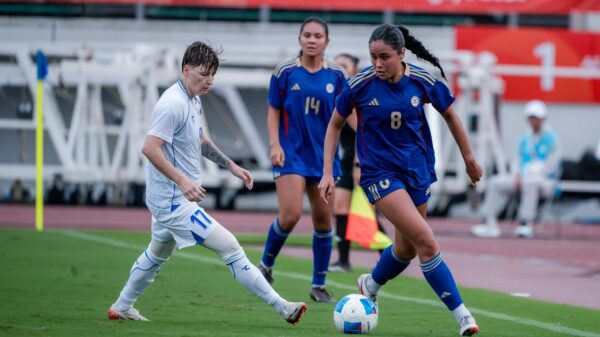
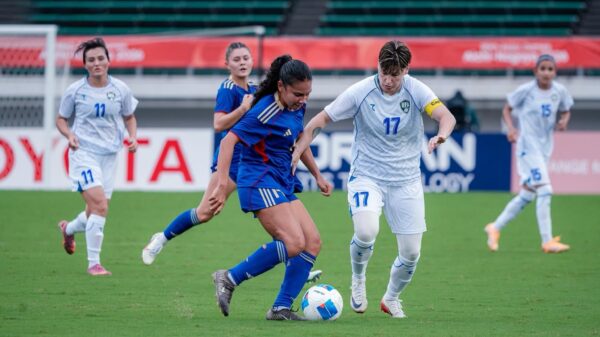
In 2025, it delivered proof — hosting the first-ever FIFA Futsal Women’s World Cup and closing the year with a historic gold medal in women’s football at the 33rd Southeast Asian Games in Thailand.
Together, those milestones confirmed the country’s growing place in the global football conversation.
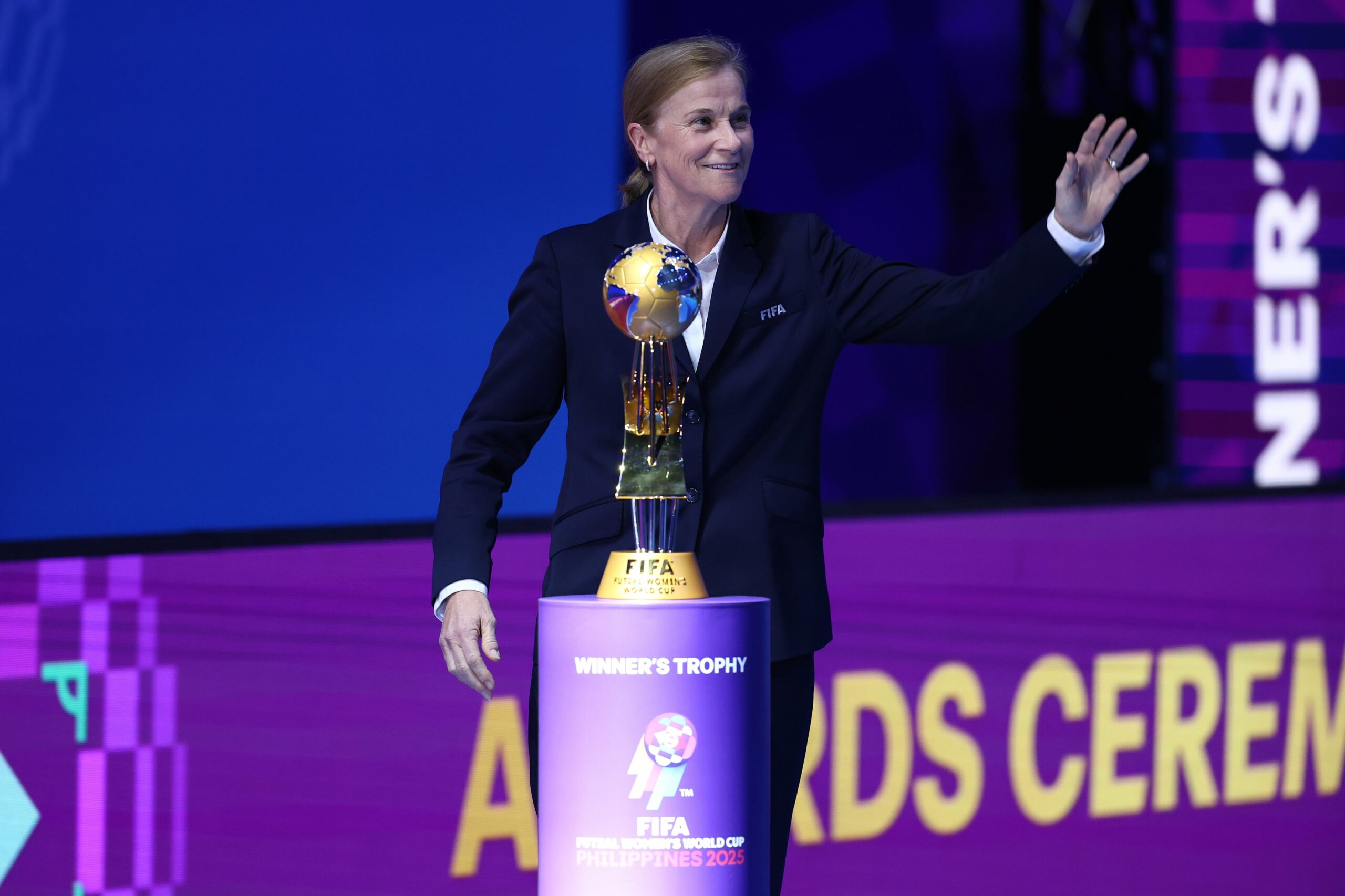
Those achievements did not go unnoticed. Among those paying close attention was FIFA Chief Football Officer and two-time FIFA Women’s World Cup–winning head coach of the United States Women’s National Team, Jill Ellis, who was in Manila as the curtain fell on the landmark Futsal Women’s World Cup on December 7.
While Brazil deservedly claimed the spotlight as the tournament’s inaugural champions, Ellis — who carried the trophy to the podium during the awarding ceremony — was equally keen to highlight the host nation and the strides it has made.
The foundation for that progress was laid in 2023, when the Philippines reached a historic breakthrough by qualifying for its first-ever FIFA Women’s World Cup. That journey was crystallized by Sarina Bolden’s iconic header against co-hosts New Zealand, which delivered the Filipinas their maiden victory on football’s biggest stage.
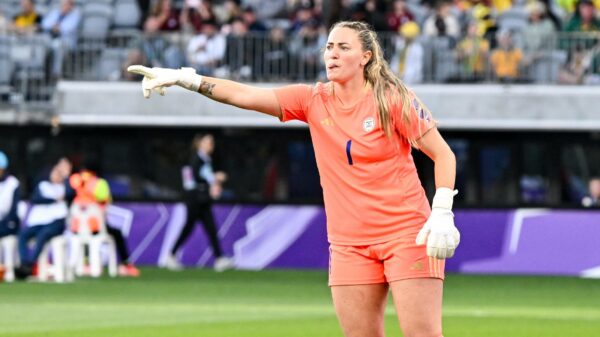
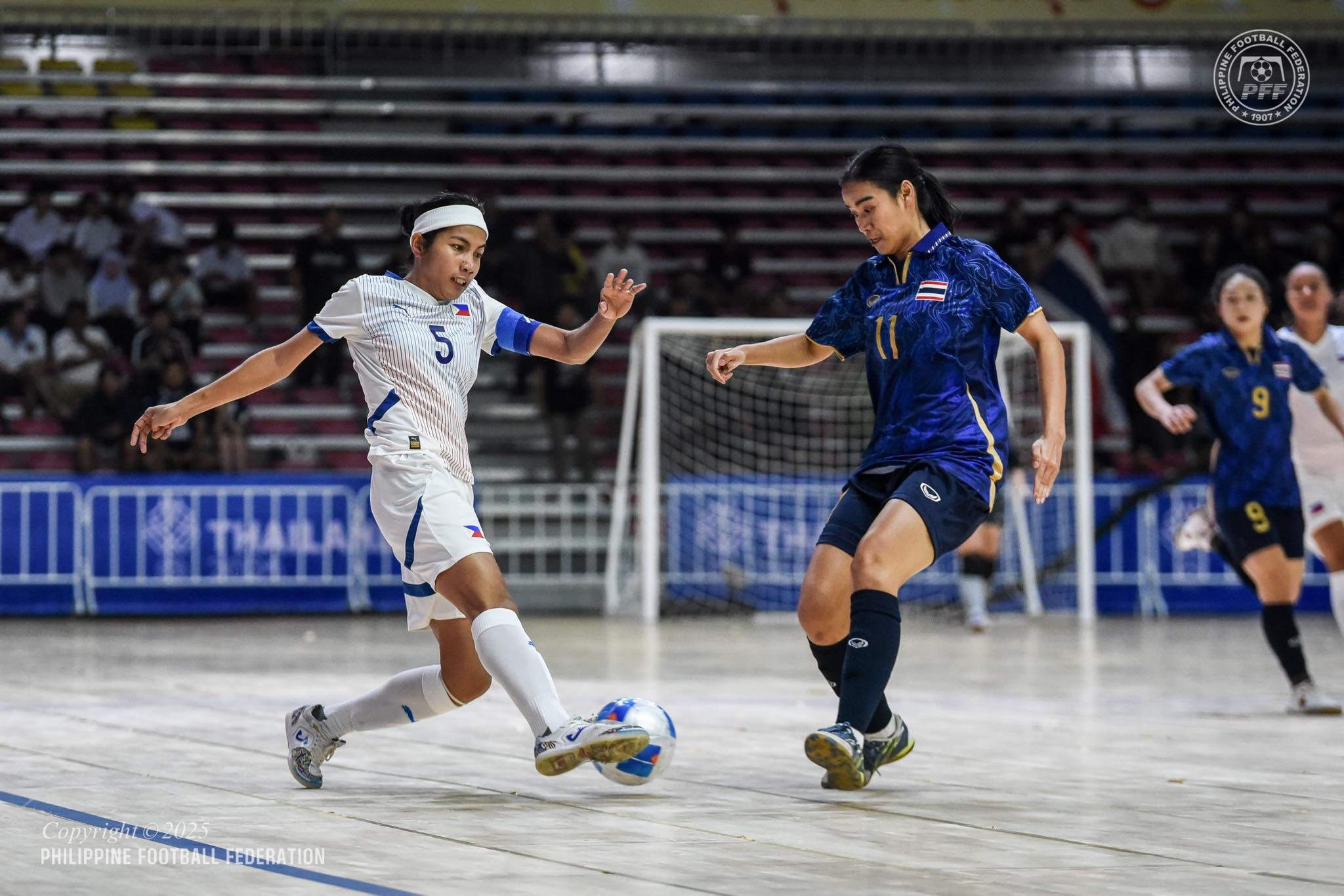
Two years later, the country once again found itself in uncharted territory, this time as host of the inaugural FIFA Futsal Women’s World Cup. On home soil, the Filipina5 rose to the occasion, with goals from Inday Tolentin, Cathrine Graversen, and Isabella Bandoja underscoring the growing depth and promise of the women’s game in the Philippines.
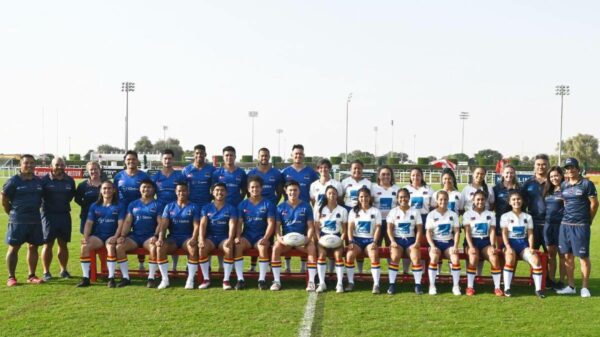
Not to be outdone, the Filipinas closed the year on a golden note, capturing the gold medal at the 33rd Southeast Asian Games — another defining milestone in a year marked by firsts.
For Ellis, who guided the United States to back-to-back Women’s World Cup titles in 2015 and 2019, these accomplishments represent more than isolated successes. Instead, they are indicators of meaningful progress along a longer journey toward sustainable growth.
“Getting to a World Cup raises the profile of the sport, and there has been investment here from the Philippines,” Ellis shared in an exclusive interview with Tiebreaker Times.
“You see young girls playing now and raising the profile. To host the first-ever Women’s Futsal World Cup reinforces that the Philippines is a country that wants and enjoys football. We want to continue to invest, and we do that by continuing to raise the profile of the sport in the country.”
That investment has been reinforced by stronger development structures within the Philippine Football Federation.
Under the leadership of PFF President John Gutierrez, and with the guidance of former president and FIFA Council Member Mariano Araneta, the federation has strengthened its pathways through FIFA funding, particularly via the FIFA Forward Programme.
The initiative supports all 211 FIFA Member Associations, with a focus on grassroots and talent development, as well as infrastructure and operations — key pillars for long-term sustainability in both football and futsal.
“We have development programs that invest in grassroots football, such as the FIFA Forward Programme,” Ellis added. “It’s really important that we provide opportunity and access in these countries for players to play. And even when these countries qualify for World Cups, they don’t do so alone.”
Beyond development, Ellis also emphasized the importance of preparation. FIFA, she explained, provides funding to help Member Associations ready themselves for major tournaments.
“It’s not just about showing up on the world stage. It ensures you’re prepared with matches, personnel, and staffing. What we’re trying to do at FIFA is invest in these countries not just for their first journey, but throughout their journey toward World Cups.”
The Philippines’ rise mirrors a broader global movement, as more nations accelerate the growth of their women’s football and futsal programs — a trend that reinforces Ellis’ belief in the importance of global representation.
“Football is a global game; every country should get on board, and you want to promote and invest in the game,” she said.
“To see the world truly embracing football in emerging countries where programs are still new is incredibly important, not just for the sport, but for society, and especially for women in sport globally.”
With the first FIFA Futsal Women’s World Cup now successfully concluded, Ellis hopes the Philippines’ experience as host will unlock even more opportunities for the beautiful game. And the momentum has already carried forward.
At the Southeast Asian Games in Thailand, the Men’s Under-22 team and the Women’s Futsal squad, fresh from their World Cup debut, both finished in the top four, while the Women’s National Team delivered a defining moment by capturing gold.
“The Women’s Futsal World Cup has been a tremendous success,” Ellis said. “Having it here in Manila, with the Filipino people supporting not just their team but also turning up for the final and other matches, was special.
“The future of football here in the Philippines, especially on the women’s side, is incredibly bright. There’s talent, there’s passion, and we want to increase participation so more young girls grow up with the ambition of becoming World Cup players for their country. These are very exciting times.”
#WATCH: FIFA Chief Football Officer and two-time World Cup champion coach Jill Ellis sends her cheers to Filipino fans as history awaits 🇵🇭
Don’t miss the first-ever FIFA #FutsalWWC Final tonight ⚽
📹 @ickodeg /Tiebreaker Times pic.twitter.com/QUcyjJIb6m
— Tiebreaker Times (@tiebreakertimes) December 7, 2025