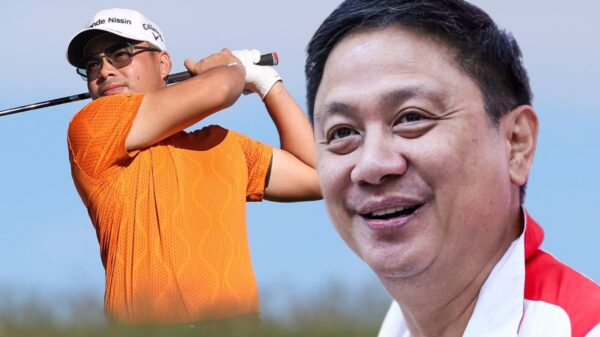













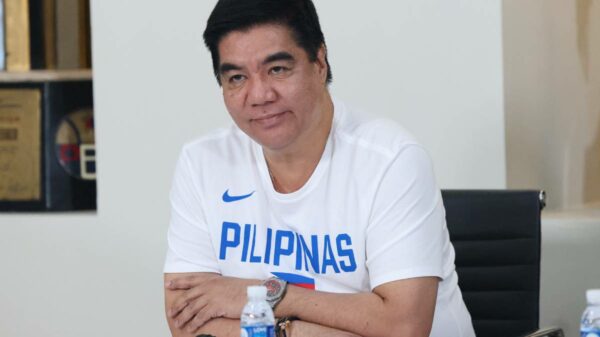























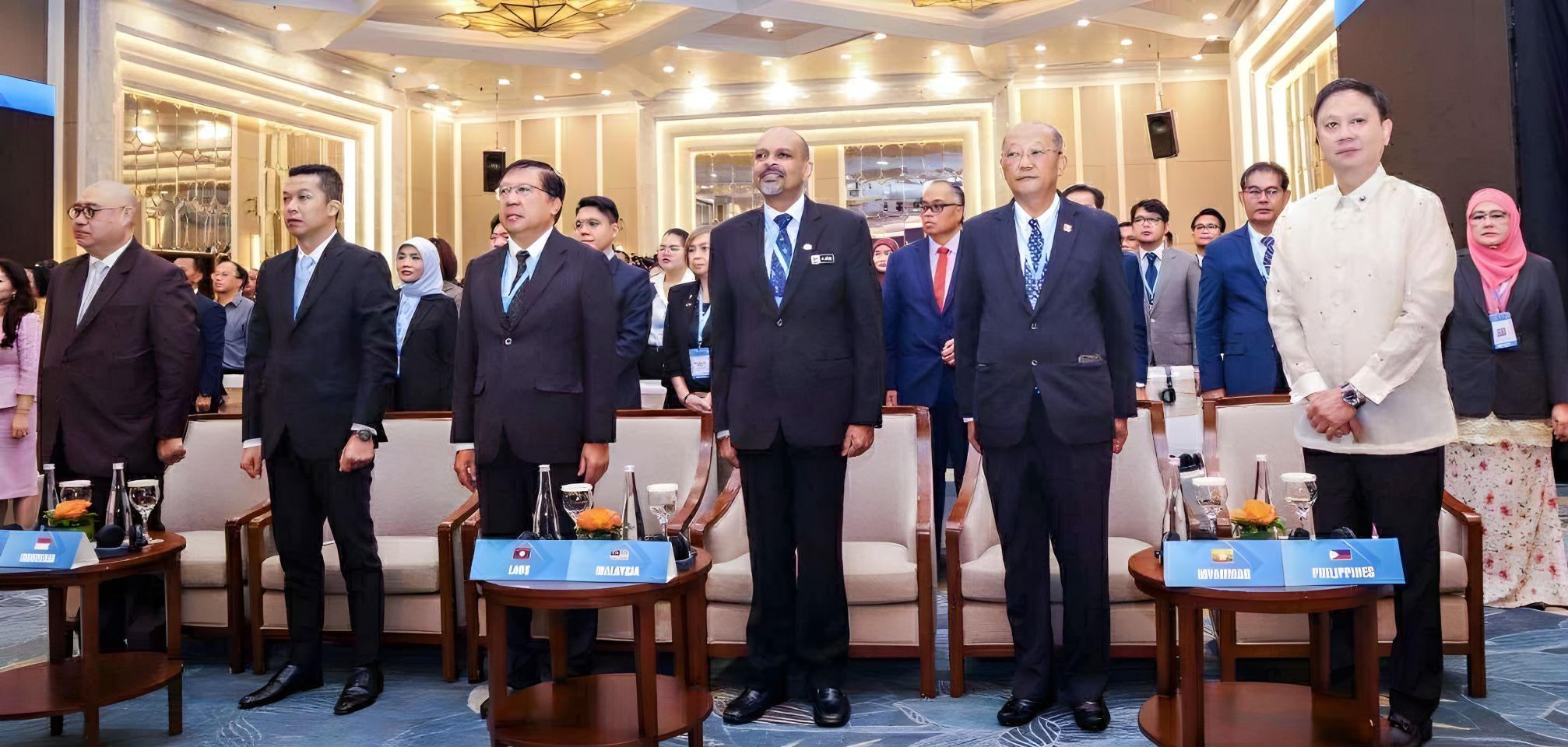

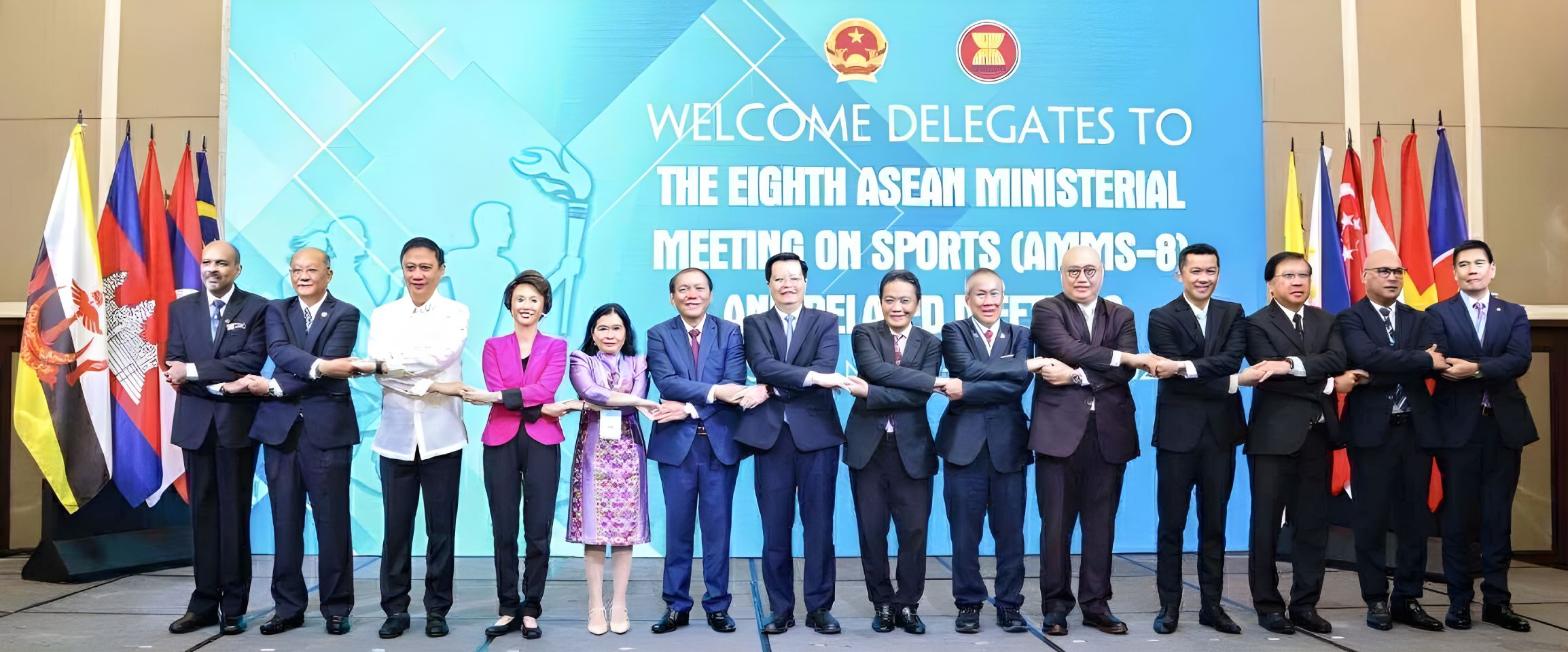
Philippine Sports Commission chairman Patrick Gregorio made a strong impression during the 8th ASEAN Ministerial Meeting on Sports in Hanoi last Thursday.
Only four months into his tenure as PSC chairman, Gregorio emphasized to his counterparts — including delegates from Indonesia, Thailand, Cambodia, Malaysia, Myanmar, Singapore, Brunei, Timor Leste, Laos, and host Vietnam — the importance of promoting sports tourism in the region through high-caliber, world-class events.
“I personally and wholeheartedly support the inclusion of sports tourism as a key priority area — especially in the Southeast Asian region, which is now emerging as a sports hub globally,” said Gregorio.
“There is potential and power for all of us to tap,” he added.
A former official in basketball, boxing, and rowing, Gregorio stressed that Southeast Asian countries have unlimited potential when it comes to sports tourism.
“In fact, I imagine, to further showcase our collective strength in sports tourism, the time will come for us to join forces for a future bid to host world sporting events together: whether that’s the FIFA World Cup, the World Games, or one day, the Olympic Games,” he said.
While Japan (1964 and 2020), South Korea (1988), and China (2008) have hosted the Summer Olympics, no Southeast Asian country has yet enjoyed the honor.
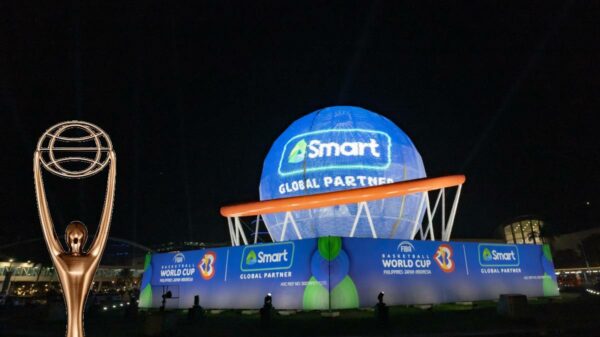
Gregorio noted that such ambitions can be achieved, citing examples like Japan and South Korea co-hosting the 2002 FIFA World Cup and the Philippines, Japan, and Indonesia co-hosting the 2023 FIBA World Cup.
“We must aspire to inspire. It’s about time. And why not? One ASEAN. One Olympic dream. One Olympic flame,” he said, noting that his fellow delegates were “pleasantly surprised” by his pitch.
“You made us all realize,” he quoted one sports minister as saying.
The Philippines, he stressed, is already reaping the benefits of sports tourism by hosting international competitions.
Last month, the country welcomed the FIVB Volleyball Men’s World Championships, followed by the World Surf League Qualifying Series 6000 and 4000 in Siargao (Oct. 24–31) and Baler, Aurora (Nov. 17–23); the Artistic Gymnastics Junior World Championships (Nov. 20–24) with 80 participating countries; and the inaugural FIFA Futsal Women’s World Cup (Nov. 21–Dec. 7) featuring 16 federations.
“I strongly agree with Brunei Minister on Culture, Youth and Sports Nazmi Mohamad that we as a region must establish ASEAN-branded sports events,” Gregorio said.
“Sports inspires solidarity and awakens collective purpose. We must continue to harness it as a transformative instrument for socio-cultural development and peace.”
He concluded his speech by proposing an ASEAN Summit on Tourism and Sports, which the Philippines is ready to host next year.
“Let me end by encouraging continued dialogue and stronger cooperation among us. I would like to extend an invitation to everyone here. I would like to bring together the region’s Sports and Tourism Ministers to explore more areas of cooperation and develop joint hosting plans for world events,” he said.
“Please come visit us. Let’s plan exciting things together. Let sports unite, uplift, and transform the Southeast Asian region as a new sports tourism powerhouse in the years to come. I hope to see you all in the Philippines soon.”