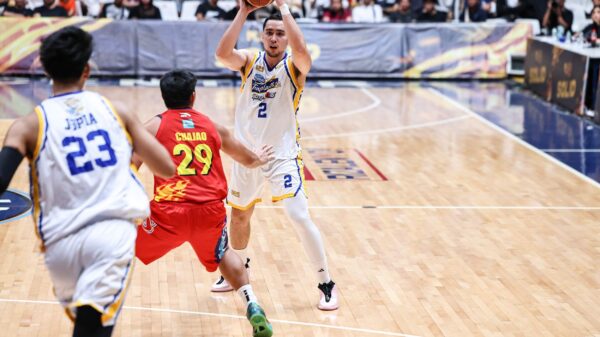
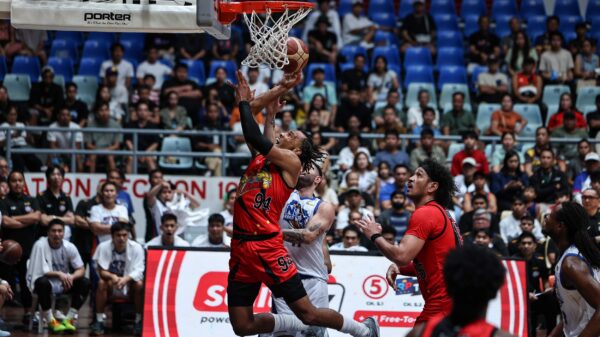
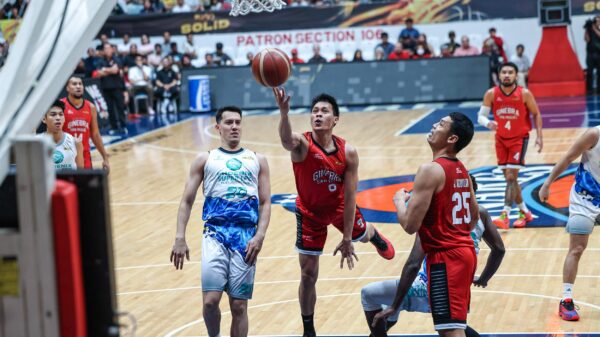


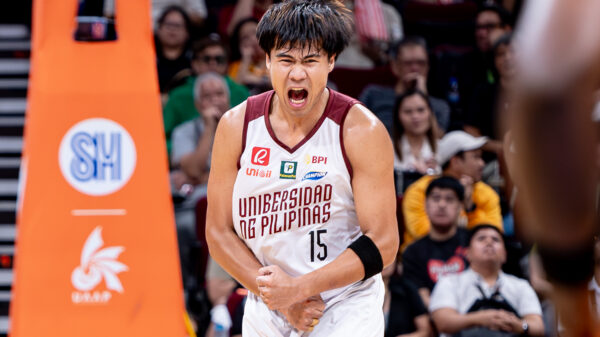
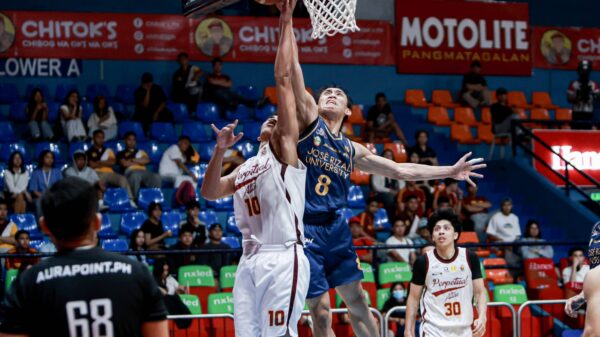











Defending champion University of the Philippines opened its UAAP Season 88 Men’s Basketball title defense with back-to-back losses to perennial powerhouse University of Santo Tomas and dark horse Adamson University.
Eager to prove their true potential, the Fighting Maroons recognized that simply honing individual skills and mental toughness would not be enough.
Their squad, anchored by the ‘Maroon 5’ featuring Harold Alarcon — alongside the likes of Rey Remogat, Gani Stevens, and Nigerian big man Francis Nnoruka — needed an extra edge.
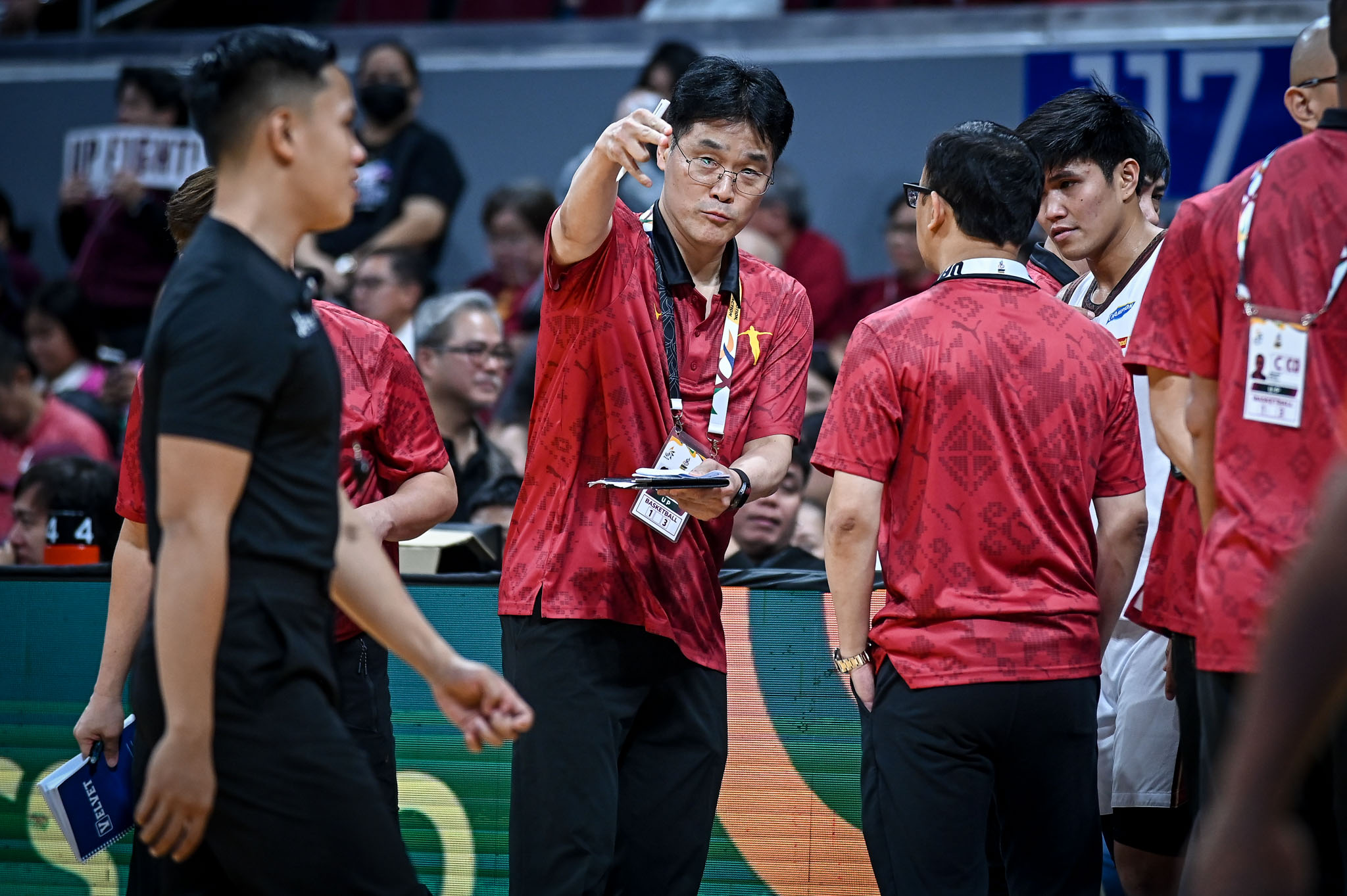
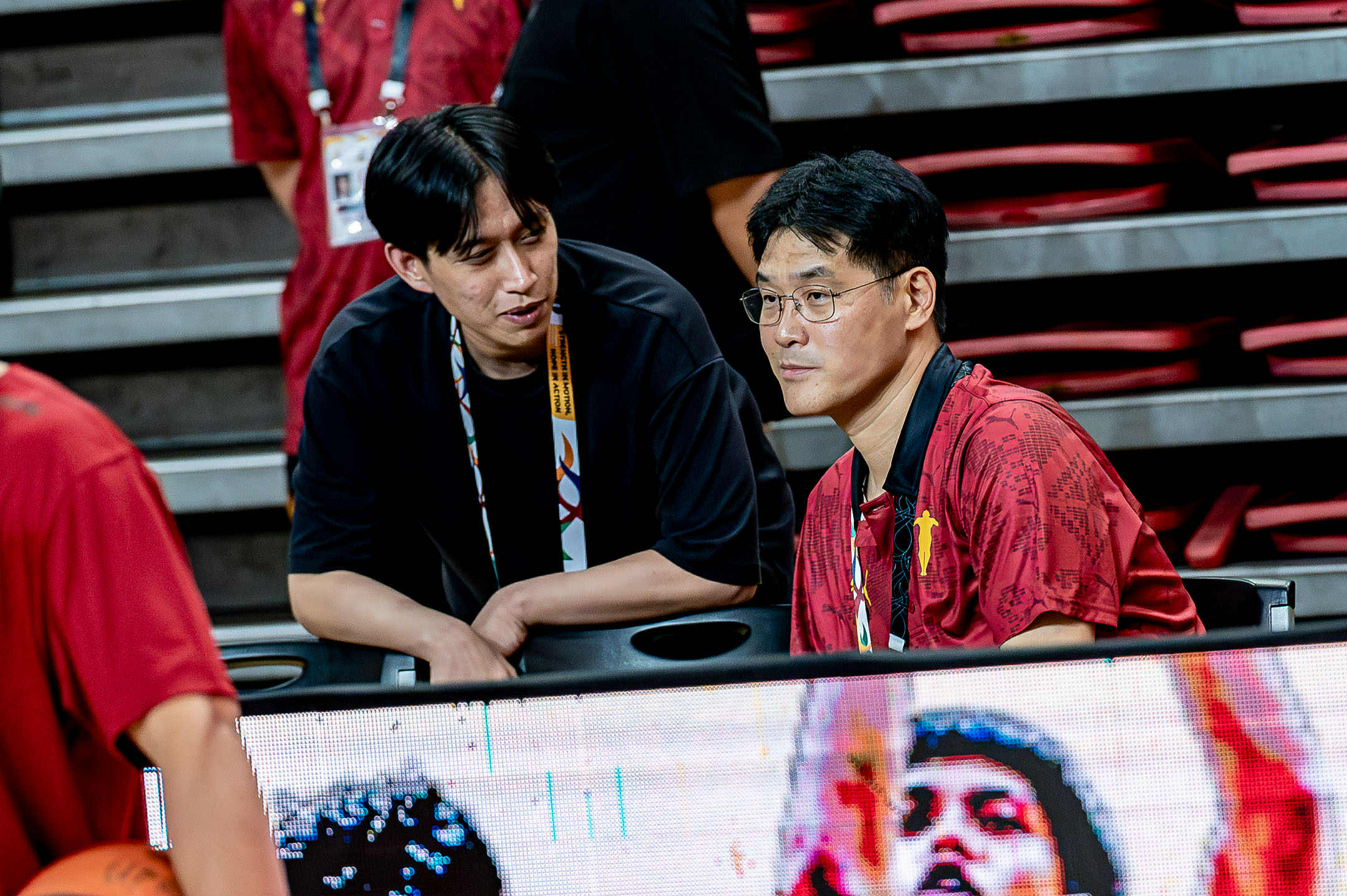
That edge came in Korean coach Cho Donghyun, who joined the UP coaching staff for the remainder of the season.
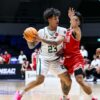
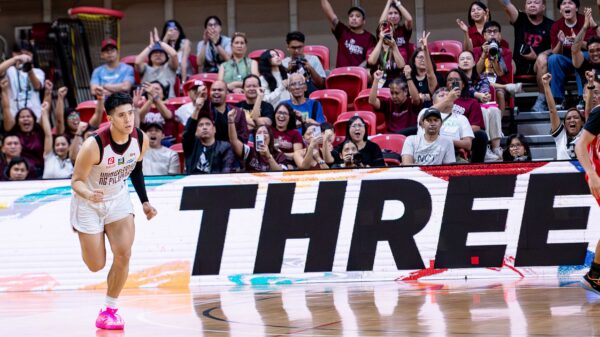
Since his arrival, the Fighting Maroons have regained their rhythm, stringing together four consecutive victories, including a narrow 69-66 triumph over Far Eastern University on Sunday at the UST Quadricentennial Pavilion in Manila.
“I was also curious about the training system. A good opportunity came, and I joined thanks to the people who helped me. I was defeated twice in a row at the beginning of the season, but I think it’s fortunate that I joined and rebounded with two consecutive wins,” Cho told Naver.
In just two weeks with the Fighting Maroons, Cho was fascinated by the system instilled by UP head coach Goldwin Monteverde over the past five years — a program that has yielded two runner-up finishes and two UAAP collegiate men’s basketball titles from Seasons 84 and 87.
(C) UAAP Season 88 Media Team
“The university team has so many meetings. I want to have a lot of meetings like this. Monteverde often calls the coaches to talk. Even before the game, the defense and attack plays are reviewed one by one, projected, and analyzed,” Cho explained.
“Every pattern is checked step by step. I was surprised. The system is very good. I think Monteverde really loves basketball.”
Cho’s addition was strategic: UP aimed to strengthen its defense.
Working alongside the likes of Tom Chua, Egay Macaraya, Eric Gonzales, and the rest of the UP staff, Cho is tasked with enhancing the Fighting Maroons’ defensive schemes to counter the high-powered offenses of the UAAP’s top teams — UST Growling Tigers, Ateneo Blue Eagles, De La Salle Green Archers, and National University Bulldogs.
“Philippine players’ one-on-one defense is good, but 2-on-2 defense, hand-off defense, and similar situations are weaker. In Korea, when a screen comes, players try to avoid it and move out, but here in the Philippines, they bump into it. I respect their methods, but I try to suggest better plans when possible,” Cho shared.
Ultimately, Cho is grateful for the chance to learn from a new style of basketball — a system that has consistently produced UAAP and PBA standouts who have gone on to play in Korea’s KBL as Asian quota imports.
Notable names include Carl Tamayo (LG Sakers), Kevin Quiambao (Goyang Sono Skygunners), JD Cagulangan (Suwon KT SonicBoom), Rhenz Abando (Anyang JKJ Red Boosters), and Arvin Tolentino (Seoul SK Knights), among others.
“I’m just grateful. Filipino players are already making their mark in the KBL,” he said.
“I want to experience Philippine basketball, see the system, learn the good things, and bring that knowledge back.”