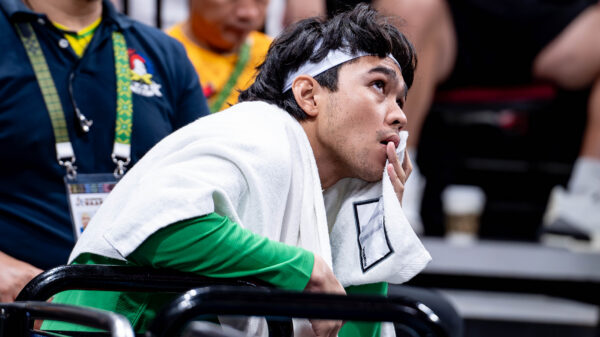












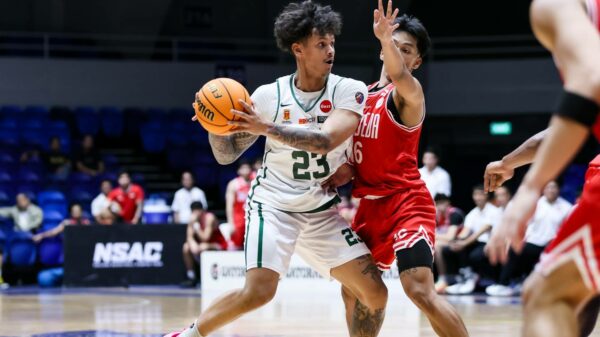































































































Joaquin Tovera’s decision to decommit from the University of the Philippines has once again sparked a familiar discussion in Philippine collegiate sports — not about rules or legality, but about the meaning of commitment.
The Gilas Pilipinas Youth guard, who announced months ago that he would play for UP, has reportedly decided to continue his career with De La Salle University instead.
There is nothing inherently wrong with Tovera’s decision. He had yet to enroll, had not signed any binding school documents, and had only recently graduated from senior high school. Like any 18-year-old, he has every right to reassess one of the biggest decisions of his young life.
That freedom should always be respected.
But this situation also highlights something that has become increasingly common in Philippine varsity sports: the diminishing value of a verbal commitment.
In many ways, the modern “decommitment era” can be traced back to 2021, when UAAP Season 82 Boys’ Basketball MVP Jake Figueroa backed out of his commitment to Adamson University and instead chose National University. Figueroa’s move did not violate any rule, but it became one of the first high-profile cases that showed a public commitment was no longer necessarily a final one.
Since then, similar decisions have followed.
UP itself experienced this when Jared Bahay initially committed to the Fighting Maroons before eventually choosing Ateneo de Manila University. A year after Figueroa’s decision, Kean Baclaan changed course from the University of Santo Tomas to NU.
Even NU eventually found itself on the other side of the coin when Migs Palanca decommitted and joined UP.
None of these student-athletes violated any rules. None broke contracts because there were no contracts to break. They simply exercised the freedom afforded to them before enrollment.
Still, legality and loyalty are not always the same conversation.
A commitment has traditionally meant more than simply announcing a preferred destination. It represented trust between a player and a school; a mutual understanding that both sides would honor the path they had chosen together. While circumstances can certainly change, repeated decommitments risk turning what was once a meaningful promise into little more than a temporary placeholder.
That affects more than just fan expectations.
Coaches spend years recruiting prospects. Schools allocate scholarships, build recruiting classes, and map out future rosters based on these commitments. Families, teammates, and supporters also invest emotionally in those decisions.
When commitments become increasingly fluid, everyone is left navigating uncertainty.
Perhaps the answer is not to discourage student-athletes from making the best decision for themselves. They absolutely should.
Instead, Philippine collegiate sports may benefit from creating a clearer and more structured recruiting process similar to the United States’ National Letter of Intent system.
A designated National Intent Day — where student-athletes publicly and officially commit only after completing the necessary documents — could reduce premature announcements, set clearer expectations for schools and fans, and preserve the significance of making a commitment. Until then, verbal pledges will likely continue to be viewed as tentative rather than definitive.
Such a system would also encourage recruits to take more time before making public declarations. That then ensures that when they finally announce their decision, it truly reflects a commitment they intend to keep.
At its core, loyalty is not about restricting a young athlete’s freedom to choose. It is about recognizing that a commitment carries weight because it builds trust.
Freedom and commitment can coexist, but both become stronger when expectations are clear from the very beginning.
Until a more formal process exists, perhaps everyone — schools, players, families, and fans alike — should treat verbal commitments for what they currently are: sincere intentions, but not yet final decisions.
And maybe that is exactly why Philippine collegiate sports should begin exploring its own version of a National Intent Day — one that protects a student-athlete’s freedom while restoring the value and meaning of the word “commitment.”