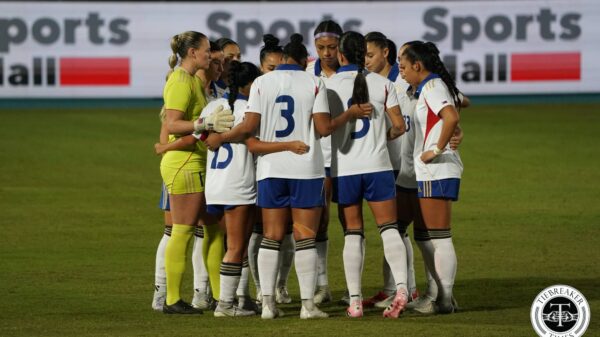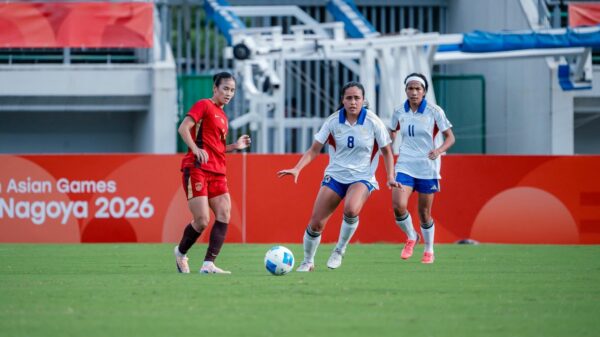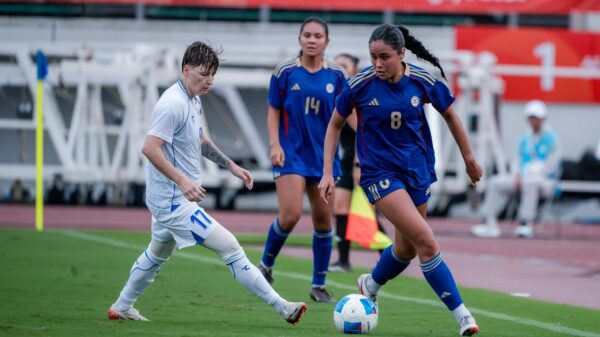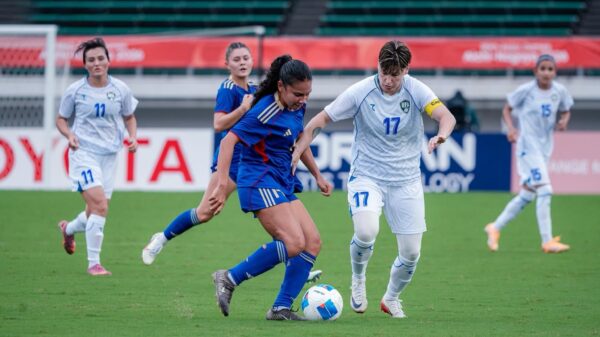








































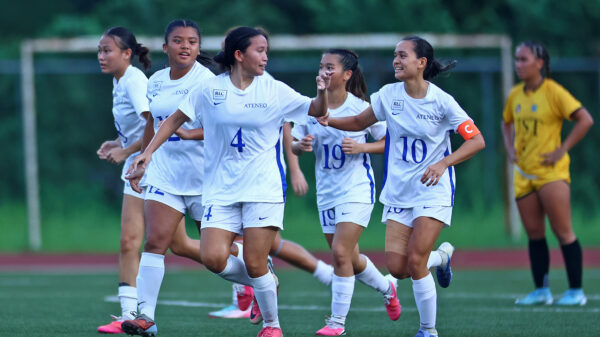


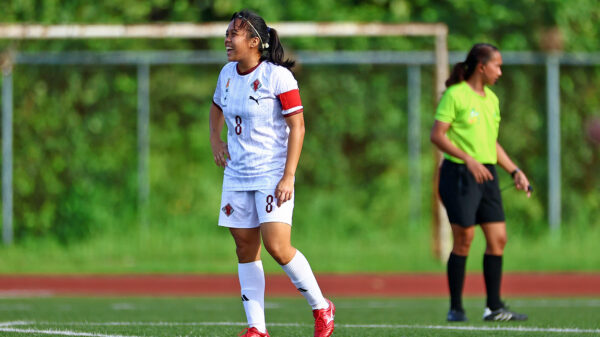















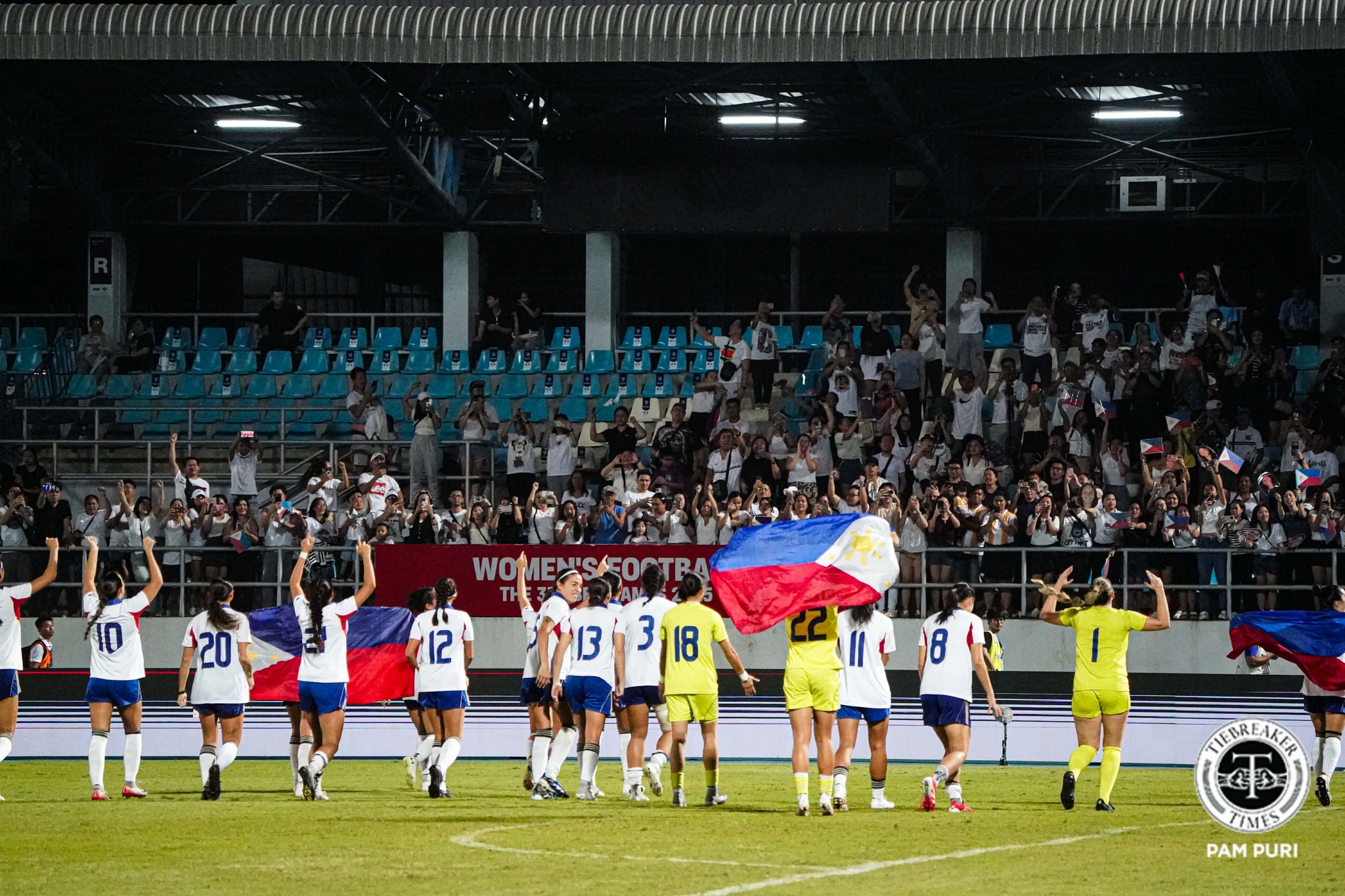

After decades of near misses and heartbreak, the Philippines has finally become the new queen of Southeast Asian football.
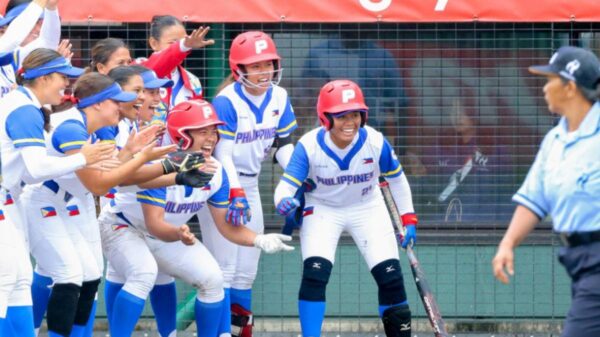
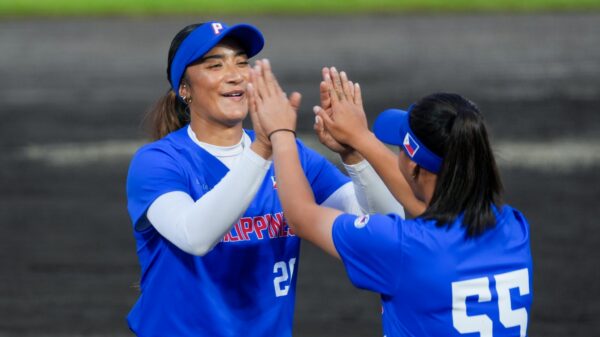
On December 17, at Thailand’s Chonburi Stadium, the Filipinas ended the country’s long gold-medal drought, defeating four-time defending champions Vietnam in a dramatic 6-5 penalty shootout.
The victory came after 120 grueling minutes of football, with midfielder Jaclyn Sawicki calmly converting the decisive sixth penalty and goalkeeper Olivia McDaniel denying Vietnam’s Tran Thi Thu, sparking celebrations years in the making.
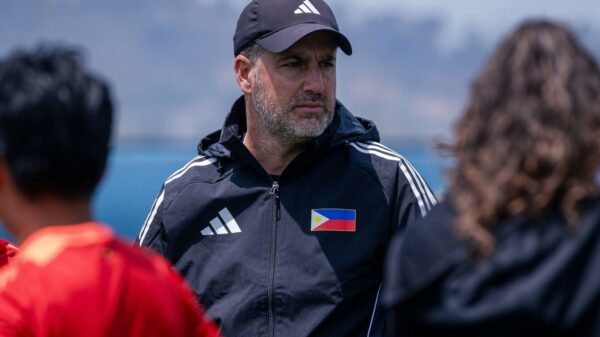
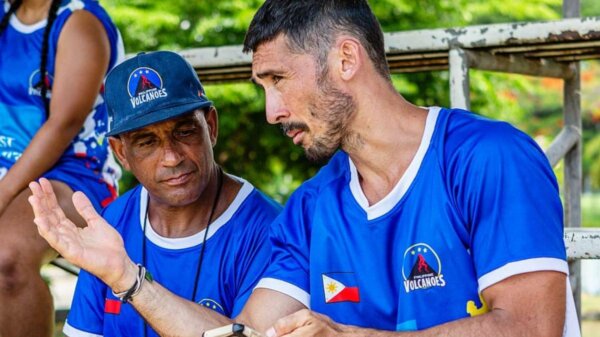
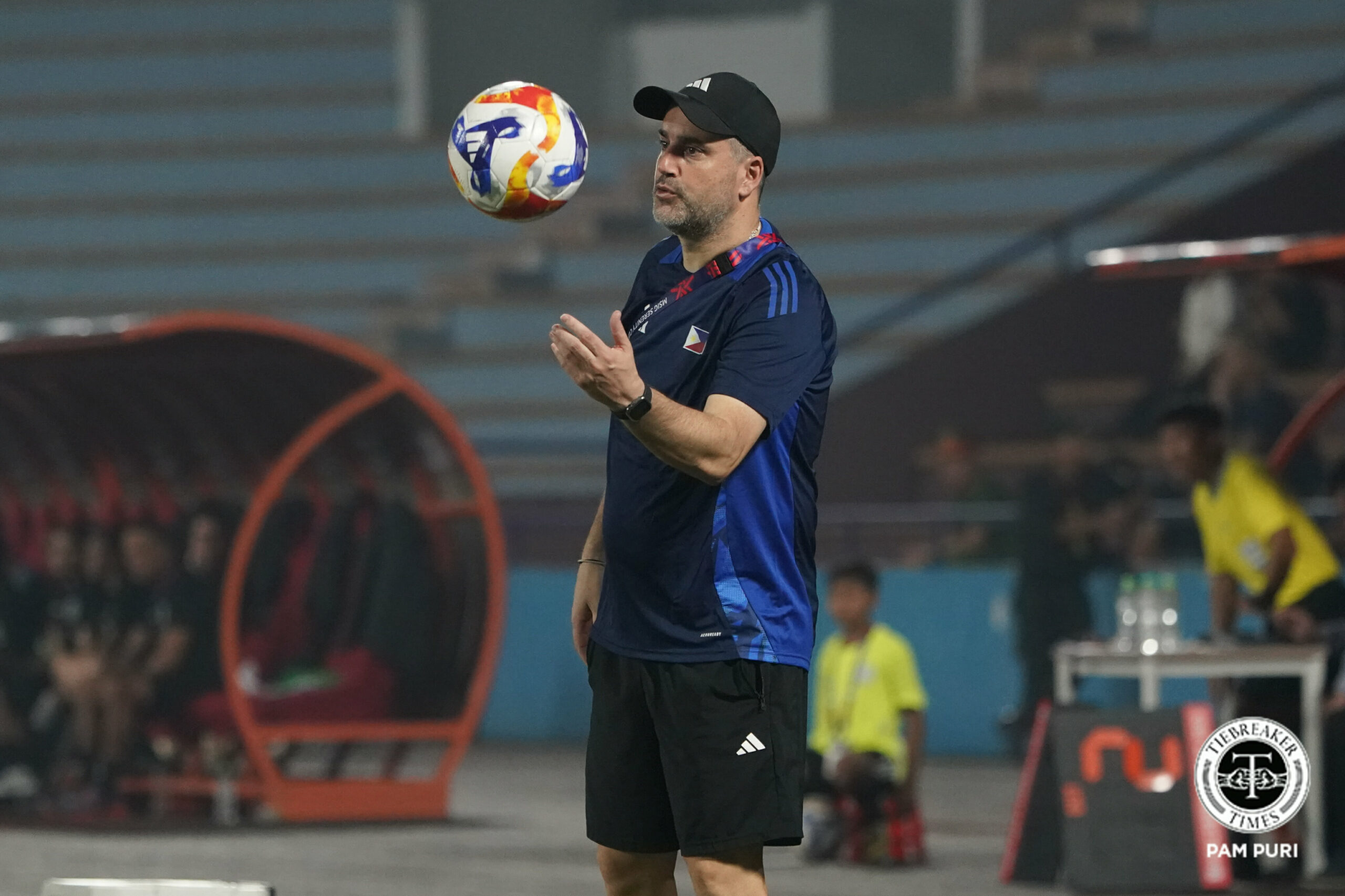
For coach Mark Torcaso, the historic triumph was the result of a mental shift that began after a tough 2-1 loss to Myanmar on December 5.
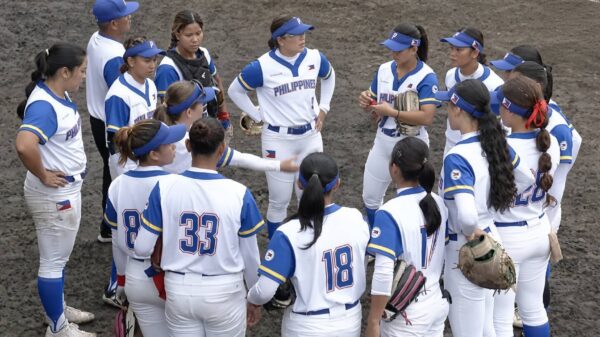
Instead of succumbing to pressure, the team turned the setback into a source of strength and unity.
“It showed after the first game when we obviously lost,” said the 44-year-old mentor. “We put in the girls’ minds that some of the best teams have won tournaments after losing their first game.
“We constantly reminded them that we believe in them, and they started believing in themselves. And now, the outcome is this — a gold medal.”
Torcaso stressed that the win belonged not only to the players but also to the entire support team, from coaches to staff.
“We’ll enjoy this one. It’s a long time coming for our country to win the SEA Games,” he said.
“Every single person, even Kevin our kit man and Karyn Caliway, played a part and deserves this as much as everyone else.”
The gold medal also served as a fitting farewell for long-time goalkeeper Inna Palacios, who retired just hours before the final, ending her 18-year national team career on the highest note.
Hali Long, the Philippines’ newest international centurion, finally captured the SEA Games glory that had eluded her for nearly a decade.
“I’m proud of Inna, who finished with a gold medal, and extremely proud of Hali,” Torcaso shared.
“But really, I’m proud of every one of them.”
Amid the celebrations, Torcaso is already looking ahead to the 2026 AFC Women’s Asian Cup in Australia this March. There, the Philippines faces a challenging Group A against hosts Australia, South Korea, and Iran.
“The most pleasing thing about this competition was showing that we have a mix of experienced and young players ready to fight for our country,” Torcaso said.
“We had three 18-year-olds taking penalties — they looked confident and composed.”
He believes the discipline and composure shown against Vietnam and Thailand prove the team can compete with Asia’s elite, paving the way toward the 2027 FIFA Women’s World Cup in Brazil.
“I truly believe we can compete with Australia, South Korea, and Iran,” Torcaso said.
“We can do something special and make it to another World Cup.”