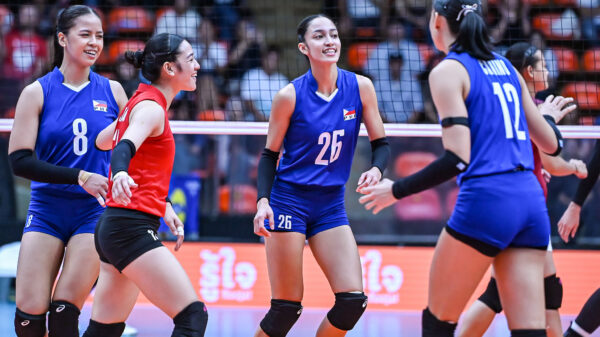







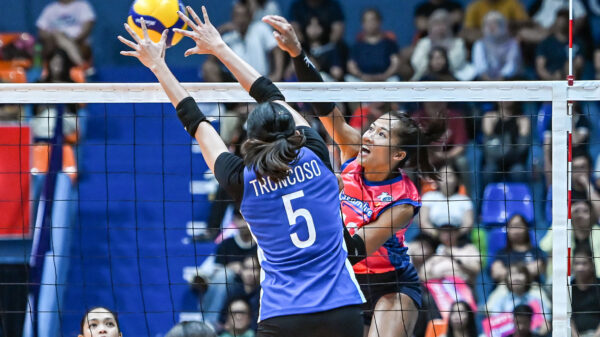

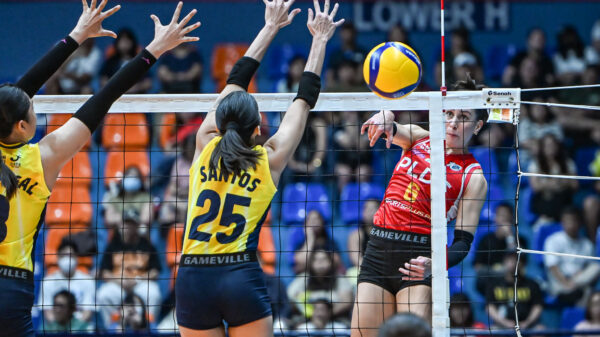


































In the unforgiving landscape of UAAP women’s volleyball, legacies are often defined by podium finishes, individual accolades, and the championship banners and confetti that fall after a fruitful title run.
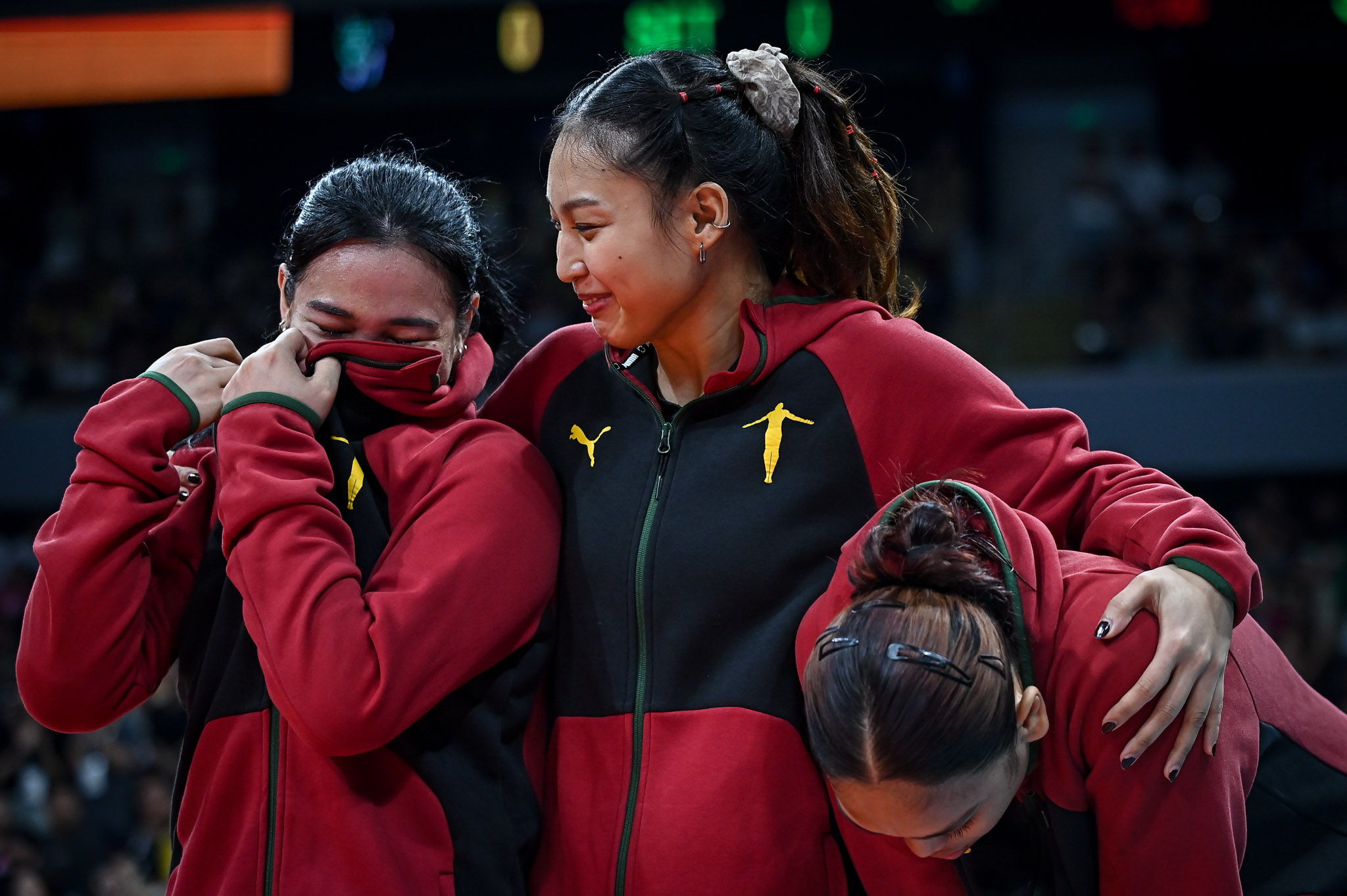
But for the University of the Philippines’ graduating trio of Joan Monares, Niña Ytang, and Irah Jaboneta, true greatness is defined by something far more enduring.
Embodying the battle cry of the ‘Matatapang at matatalino,’ their legacy is anchored on their sheer will to keep the Fighting Maroons from falling — proving that honor and excellence can be forged even without a crown or a Final Four appearance.
The trio will exit the collegiate ranks without a title or a UAAP women’s volleyball Final Four stint across their five playing years. But their role in leading the resurgence of UP women’s volleyball cements them among the program’s most pivotal figures, joining the rare company of Isa Molde, Tots Carlos, and Kathy Bersola to have come out of Diliman.
TEST OF RESILIENCE
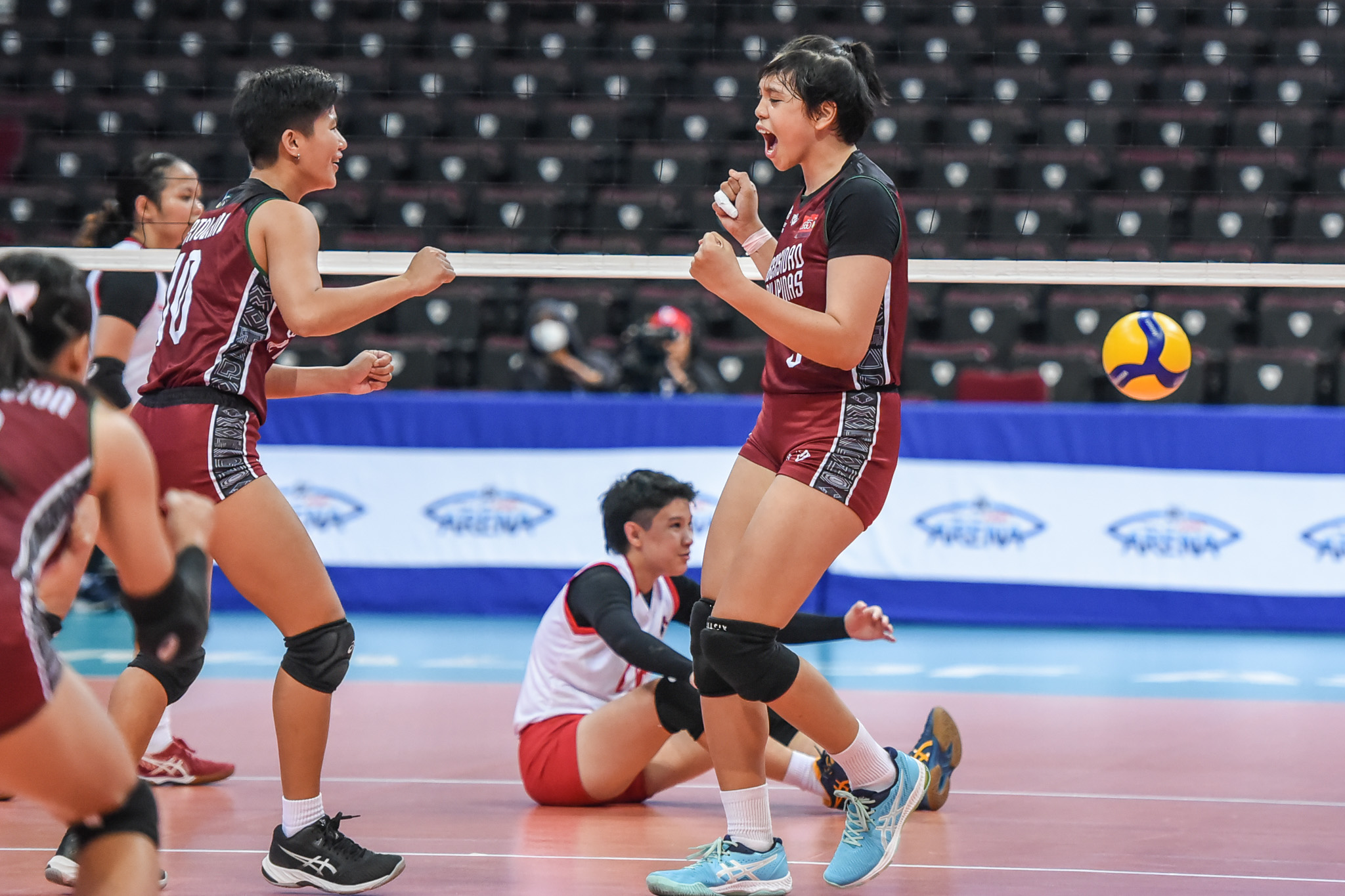
Their shared journey was far from a fairy tale.
From a respectable five-win campaign in Season 84, the Fighting Maroons slid to a combined two-win output across Seasons 85 and 86 amid multiple coaching changes. Through the program’s most difficult stretch — when the stands were sparse and victories were scarce — Monares, Ytang, and Jaboneta carried the burden of UP’s offense while also embracing leadership responsibilities.
They did so under constant turnover, playing for five head coaches in five years: Godfrey Okumu (Season 84), Shaq delos Santos (Season 85), Oliver Almadro (Season 86), Benson Bocboc (Season 87), and Fabio Menta (Season 88).
Despite the instability, the trio helped steer UP back toward competitiveness, coming close to a Final Four breakthrough in their final two seasons. Under Bocboc, the Fighting Maroons finished sixth in Season 87 with a 6-8 record, before placing sixth again in an injury-plagued Season 88 under Menta with a 5-9 slate.
For Ytang, who arrived in Diliman primarily to study, surviving coaching changes, mounting losses, and the constant rebuilding of the program only deepened her gratitude for the university that shaped her.
“I’m very grateful po sa naging experience po namin lahat. Grateful po ako sa of course kay Lord kasi dinala Niya ako sa UP and hindi po ako nag-expect na mapupunta ako dito. And dati, pangarap ko lang po kasi makapag-aral nang libre tapos andito ako sa UAAP maglalaro,” Ytang said after UP’s season-ending loss to the University of Santo Tomas last Sunday afternoon.
“Ngayon po yung nararamdaman ko, sobrang grateful pa rin po ako kasi despite naman po sa lahat ng napagdaanan po ng team, eh hindi naman po kami darating dito kung wala yun… Lahat po ’yon sila, binigyan po nila kami ng tiwala na walang sinumang magbibigay sa amin. Kaya sobrang grateful po kami sa kanila and sa teammates po namin,” she added.
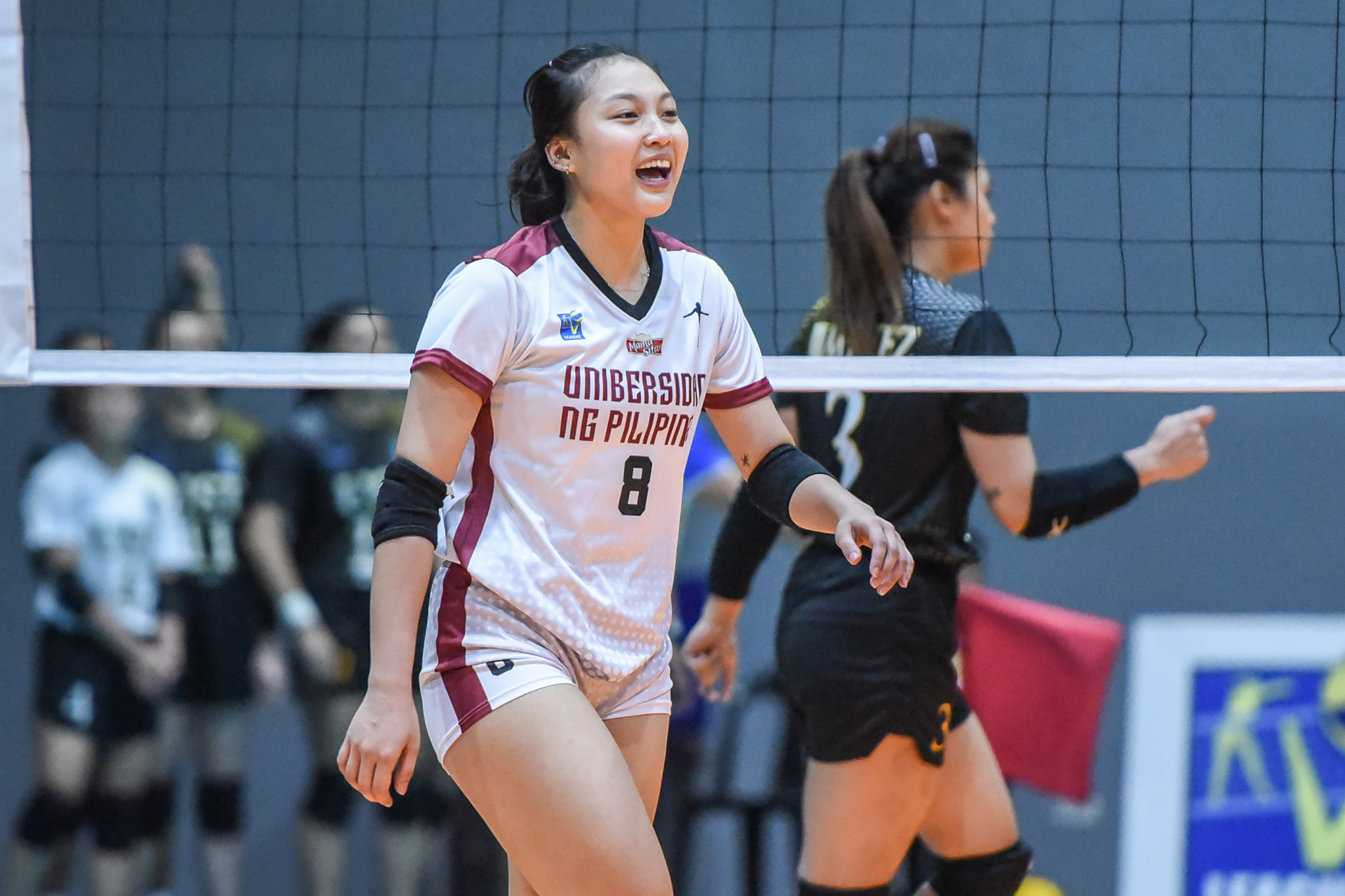
For Monares, the defining image of their era in Diliman is not Final Four contention or statistical milestones, but the revival of the UP community behind women’s volleyball.
From playing in near-empty venues during the pandemic-hit Season 84 and through the struggles of Seasons 85 and 86, they eventually returned to a roaring crowd at the SM Mall of Asia Arena — a reflection of the culture they helped rebuild.
“I think it took a lot of work na pumunta dito ngayon, kung ano man meron yung team. Hindi lang ‘yon sa nakikita ng mga tao, ng mga fans lately, but behind it, the girls worked a lot. Even with our seniors before, we’re trying to change the UP women’s volleyball team into something na contender,” Monares reflected.
“Ako kasi, masasabi ko na my chest is gonna explode kasi somehow nandoon kami noong binubuo ang UP ngayon at kung ano yung UP na meron ngayon. Mahirap for us, pero ang dami naming natutunan. Every year, bagong coach, a new system. And I think that would lead us to be strong,” she added.
For Jaboneta, who had already committed to UP even before entering De La Salle Zobel for high school, her final bow came with no regrets. She played not because of family ties — her older brother Janjan once suited up for the UP men’s basketball team — but because of her own deep attachment to the program.
“Ako naman, wala talagang pagsisisi lagi, basta para sa UP. Ganon ako ka-vocal kasi bago pa ako lumuwas dito for high school, alam kong UP talaga ako at sa UP talaga ako maglalaro. Hindi dahil sa influence ng kuya ko, kundi dahil gusto ko talaga,” Jaboneta shared.
“Na-witness nga namin na grabe pagpasok mo sa arena, parang iilan lang ang nakasuot. Hindi naman ngayon lang, like nung mga past seasons din, unti-unting nabubuo na sila at dumadami na sila. Sobrang saya namin na kahit aalis kami, nakikita namin na nandiyan sila talaga na magsu-support sa amin kahit wala na kaming tatlo rin. Basta masaya lang kami sa experience namin with UP,” she went on.
NO REGRETS
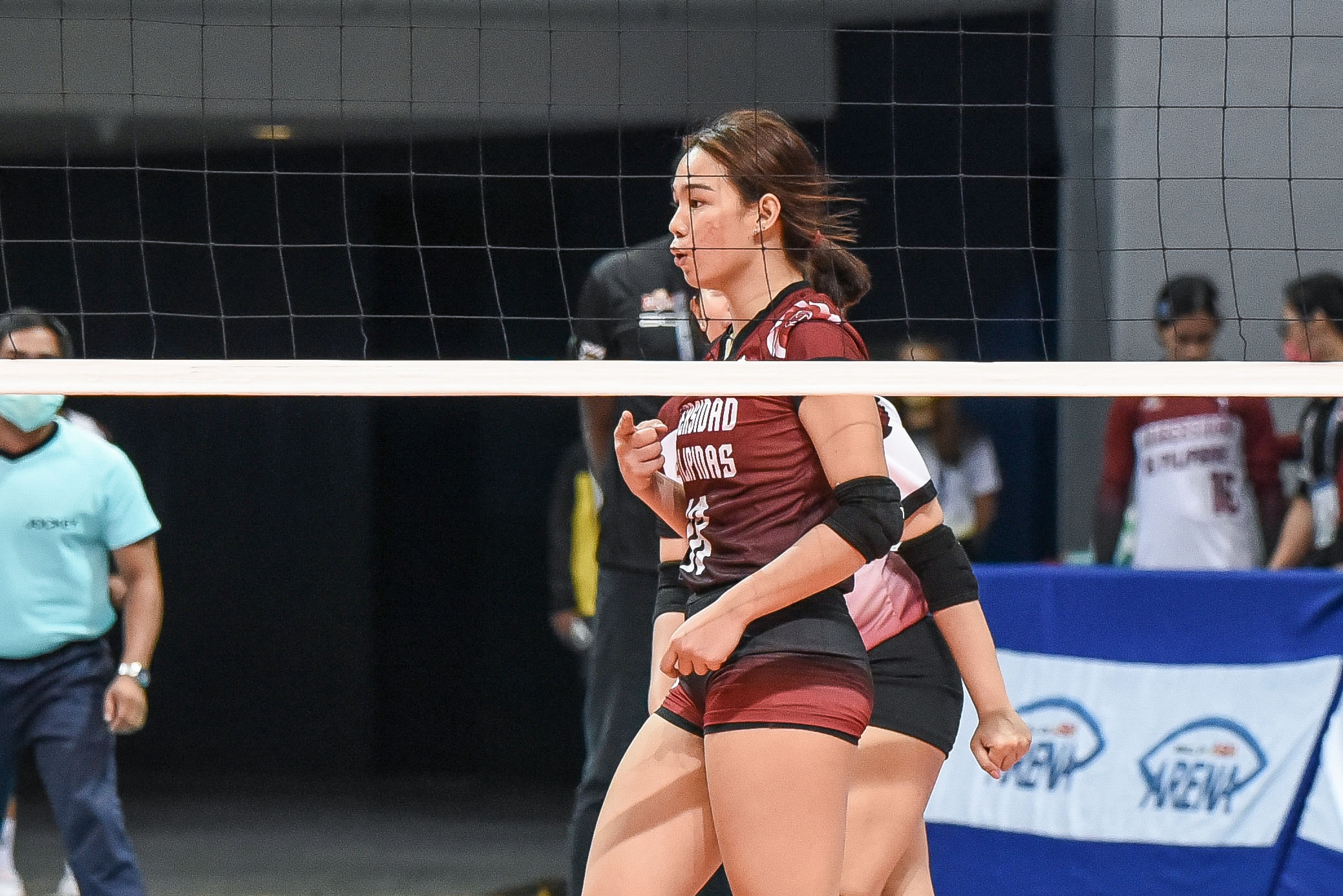
After a strong Season 87 campaign, Monares, Ytang, and Jaboneta could have moved on to the next chapter of their careers—but instead chose to exhaust their final year of eligibility in Season 88.
Their final push for a Final Four berth fell short, with key injuries to Monares (back) and transferee Casiey Dongallo (left ACL and meniscus tear) further hampering UP’s campaign.
Still, the trio stood firm in their conviction: given the chance, they would choose UP all over again.
“Walang pagsisisi bumalik at maglaro for UP, kahit hindi namin nakuha yung outcome, kasi marami kaming natutunan. Ako personally, mas marami akong natutunan talaga as a person and as an athlete kasi sa limang coaches, iba-ibang sistema, iba-ibang experiences,” Jaboneta said.
“Na-adapt namin and natuto kami paano yon i-work and kung paano i-accept. Hindi man nakuha yung outcome, pero playing for UP, walang pagsisisi palagi.”
Ytang and Monares echoed the same sentiment, emphasizing that their legacy cannot be measured solely by wins and losses.
“Of course, po, worth it pa rin po naman. Kasi kahit na hindi man ’yun yung ginusto naming naging result, meron pa rin po kaming natututunan. Yun naman po yung importante at sinubukan po namin. Sinubukan naming lumaban sa lahat ng laro namin. Yun naman po yung mahalaga eh. ’Yung sinubukan at may matutunan ka sa bawat laban,” Ytang said.
“Meron man unfortunate events or nangyari, we try to work things around with the resources we have, with the people we have. Hindi man siya yung outcome na in-expect namin kasi we really set high expectations sa performance ng team ngayon, pero wala ‘eh,” Monares added.
“It’s out of our hands. But yung pinahahalagaan namin sa team, even si [coach] Fabio, yung health ng players, yung well-being, and kung paano kami magwo-work as a team [and] as a whole.”
In Diliman, sports immortality is often reserved for champions. But for Monares, Ytang, and Jaboneta — who leave without a crown — their legacy lives in something quieter but just as powerful: the resilience it took to rebuild a program, and the belief they never stopped carrying.