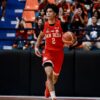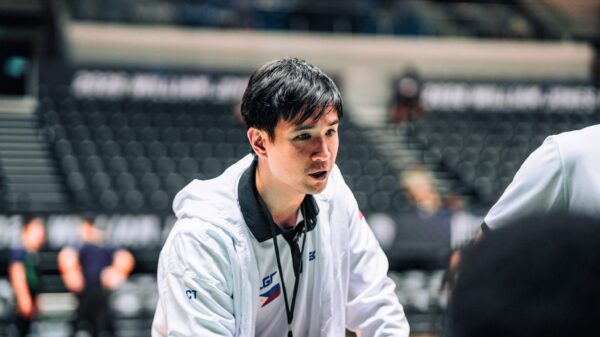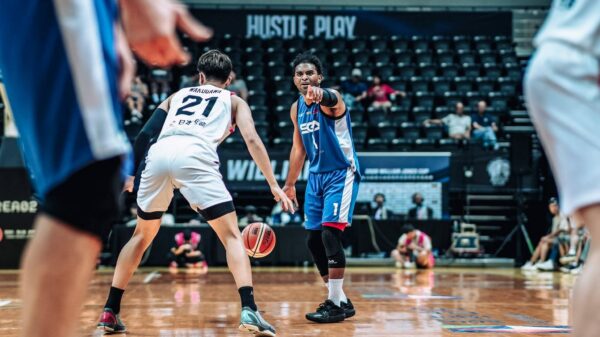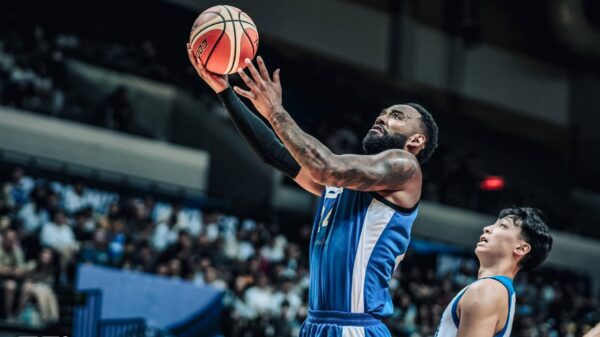


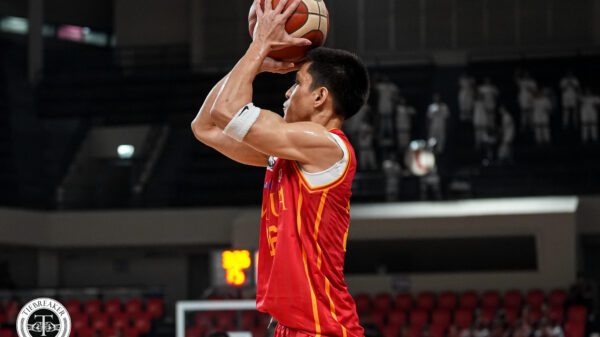
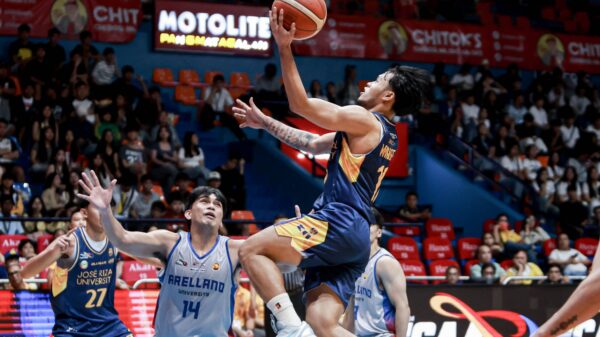

















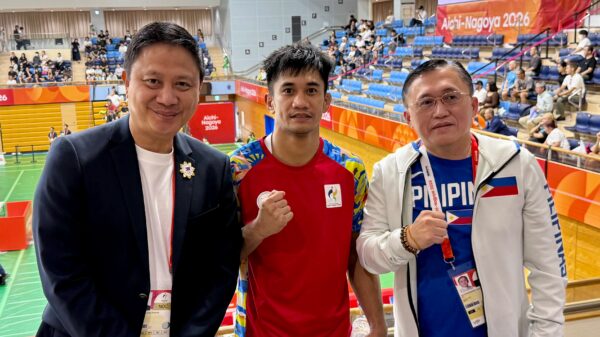






When Kiefer Ravena married Diana Mackey last June 11, he was surrounded by some of his closest friends as groomsmen. Among them were his brother Thirdy, former Ateneo teammate Anton Asistio, and long-time friend Baser Amer.
Also standing by his side was Rhenz Abando.
Though Abando shares a UAAP batch year with Thirdy, it’s Kiefer with whom the former NCAA MVP has forged a bond in recent years — one that’s grown from basketball dreams to mentorship.
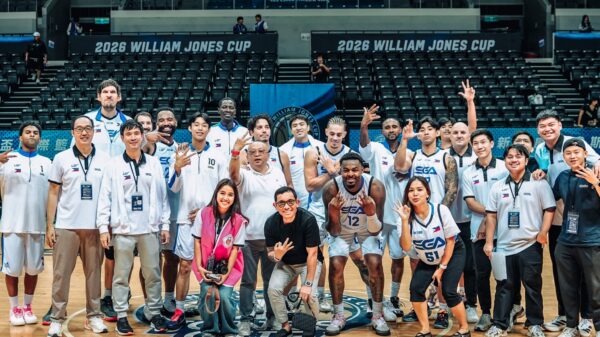
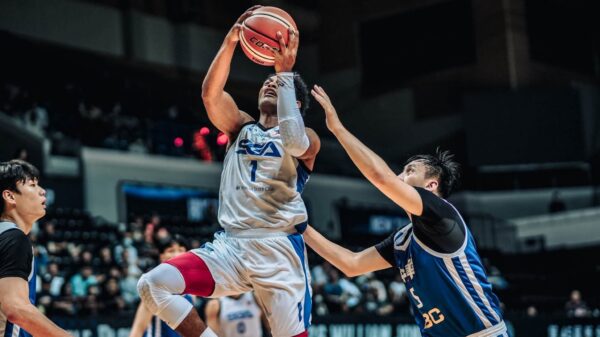
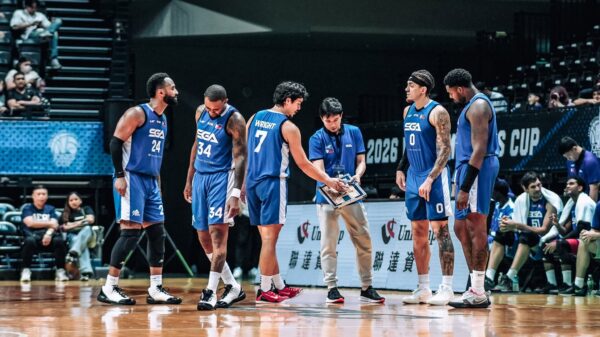
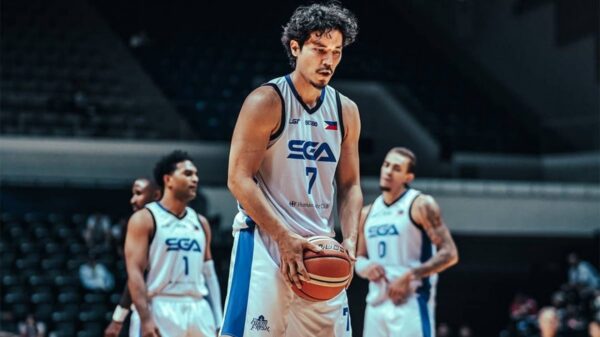
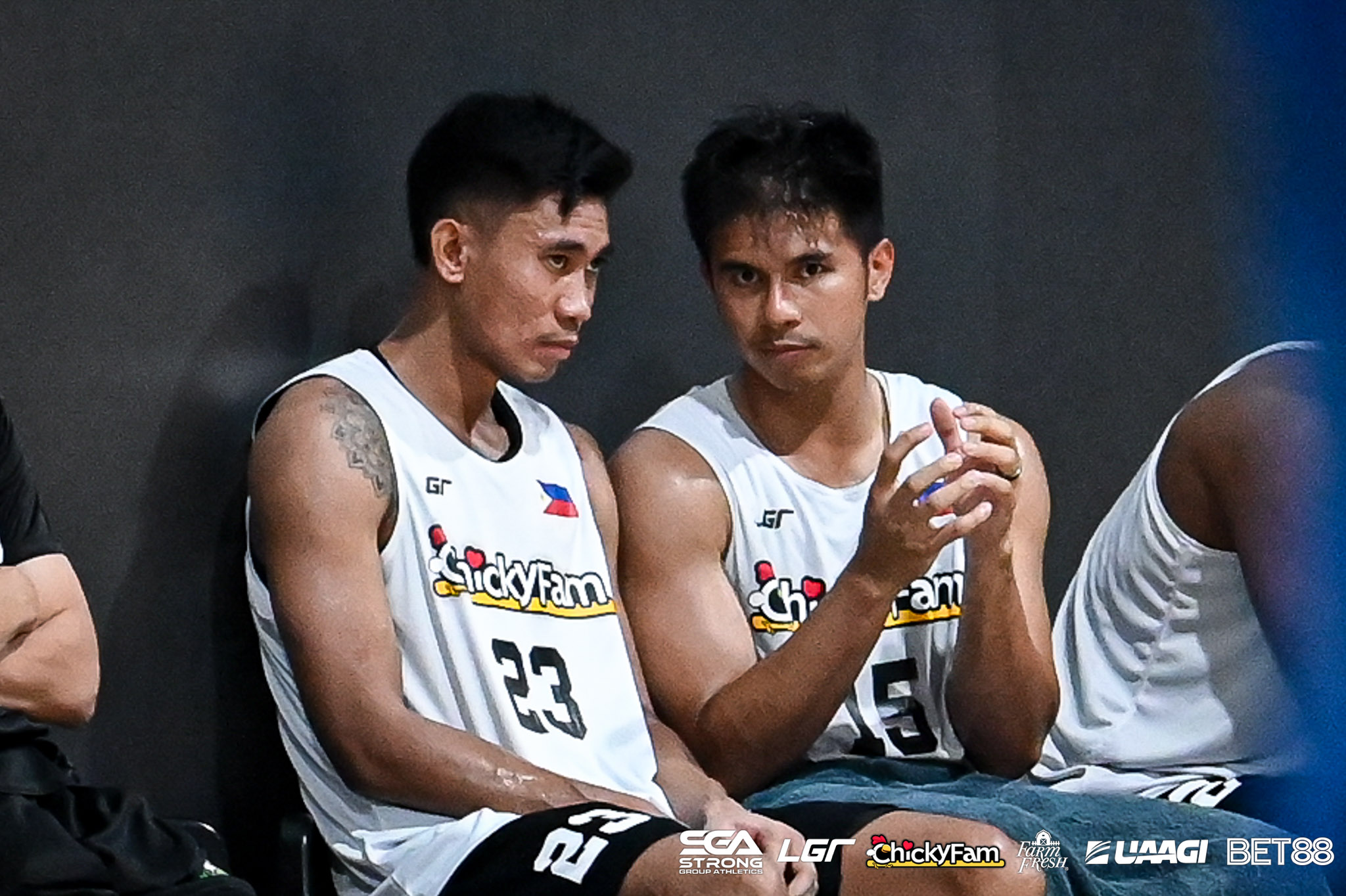
Now, the two are preparing to don the same jersey in the 44th William Jones Cup as teammates under Strong Group Athletics.
But their connection goes far deeper than the court.
“With Rhenz, we worked together on the national team, and we always talked about life in general — guiding him, enjoying each other’s company,” said Kiefer.
“Now that I’m more involved in his career, helping lead his basketball decisions along with my partners at Bridge Sports Global, especially Miguel (Alegre), we want to put him in a position where he can succeed. Hopefully, we can make that happen in the next couple of weeks.”
After his stint with Anyang Jung Kwan Jang in the Korean Basketball League, Abando has remained a free agent for more than a year.
With many wondering about his next move, Kiefer’s involvement in his career provides a clearer picture and a sense of direction.
Bridge Sports Global, a player management startup Kiefer helped establish, now works closely with Abando as he navigates the next chapter of his career.
For Kiefer, this goes beyond business — this is personal.
“I have a lot of young players like that who reach out and ask for guidance. I’m very honored that they still see me that way. I feel like that’s part of my calling — to help kids become successful basketball players,” said Kiefer.
“I try to share what I know about the game, and hopefully, they learn from it.”
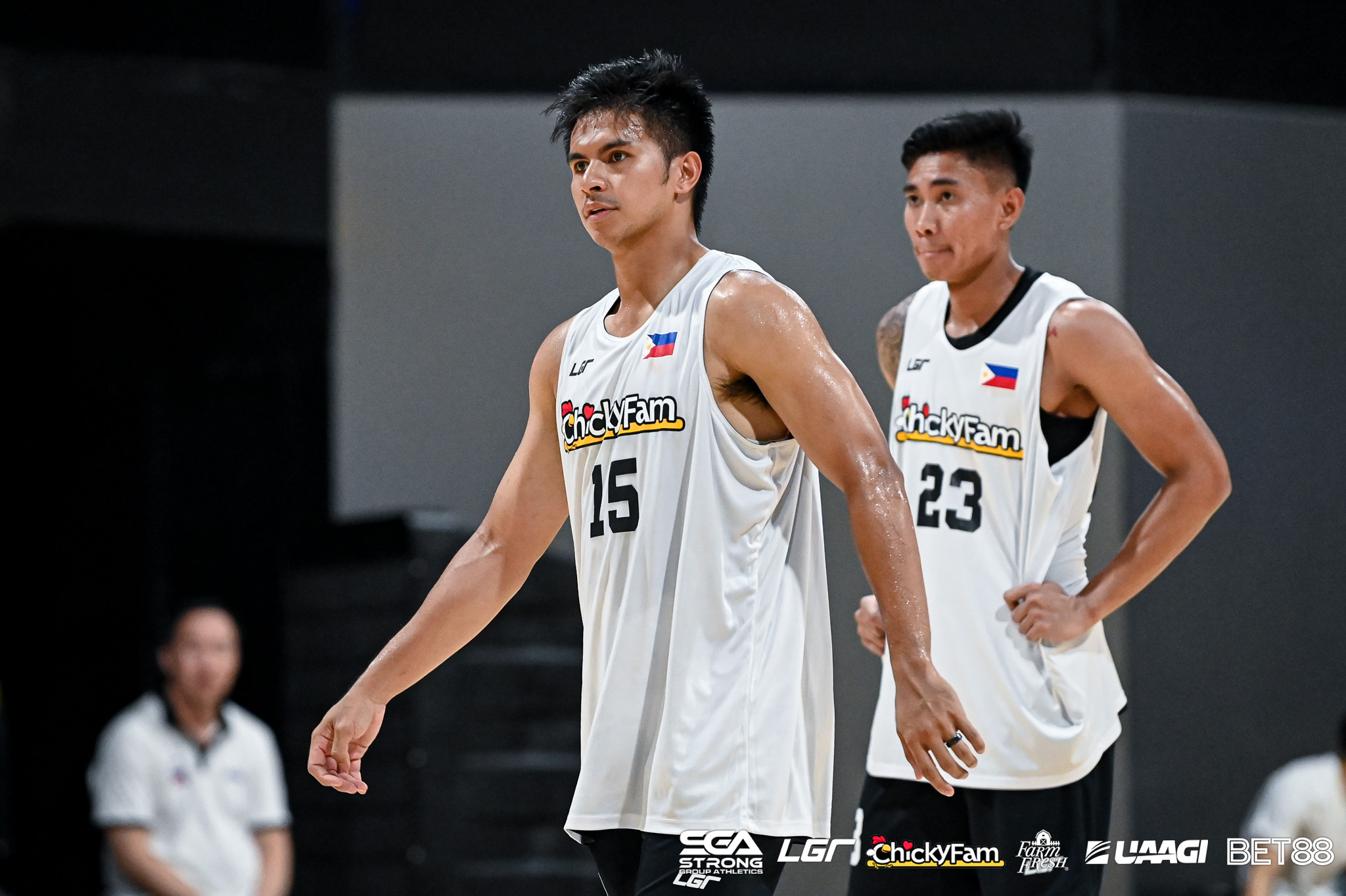
Yet their relationship isn’t just about game film and training plans.
It’s about building the kind of foundation that sustains an athlete, not just during their career, but also after the final buzzer sounds.
“With Rhenz, on a personal note, we play a lot of golf and even paddleball. We talk about life, relationships, investments, staying in a good headspace — not just to become a good basketball player but a successful person overall,” Kiefer added.
“That’s where our relationship is growing, and I’m really thankful for the trust he’s given me. He could’ve trusted a lot of other people, but he believed in our vision for him. I hope he continues to believe as our relationship grows deeper.”
Their relationship has grown to the point where Kiefer doesn’t just consider Abando as a friend or client. He’s become family.
“No, it’s not something you expect. You don’t plan for that kind of relationship to develop, but it did. That just shows Rhenz’s personality — something rare. Honestly, I was really touched by his message, and he even gave me a gift. He’s very thoughtful. I didn’t realize he had that soft side.
“We welcomed him into our home with open arms. Diana and Rhenz are almost the same age, so they connect well and communicate easily, which for me is really important,” said Kiefer.
“He gets along with my friends and my brothers — and that’s a big plus. It helped me decide who I wanted to be around, and I’m happy I have Rhenz in my life. Hopefully, we stay in each other’s lives for a long time.”
At a point in their lives where both men are redefining themselves — Kiefer as a husband, mentor, and executive; and Rhenz as a player eager to get back on the court — their bond has offered trust.
“I think it’s really about being straightforward. As men, we’re problem solvers. When something comes up, we don’t dwell on it — we try to fix it right away. That’s what I tell him. If something doesn’t work out, we ask: ‘What’s the next step?’ That’s how we approach things now in his career.”
It’s a perspective rooted in experience.
In 2018, Kiefer was suspended from basketball after testing positive for a prohibited substance — a year-long setback that tested his resolve and mental fortitude.
That moment has equipped him to support Abando through his own challenging period of inactivity.
“For someone who sat out a year without playing basketball, I think I have the experience to guide him through that,” said Kiefer.
“That’s what we’re doing. That’s our connection — our calling to each other. Maybe that’s why we became close in the first place.”