






























































































With padel’s popularity surging worldwide, it comes as no surprise that the sport is rapidly gaining traction in Metro Manila.
Capitalizing on this momentum, the Asia Pacific Padel Cup 2026 is currently underway at Play Padel McKinley, bringing together 10 teams from seven countries to compete across both professional and amateur divisions.
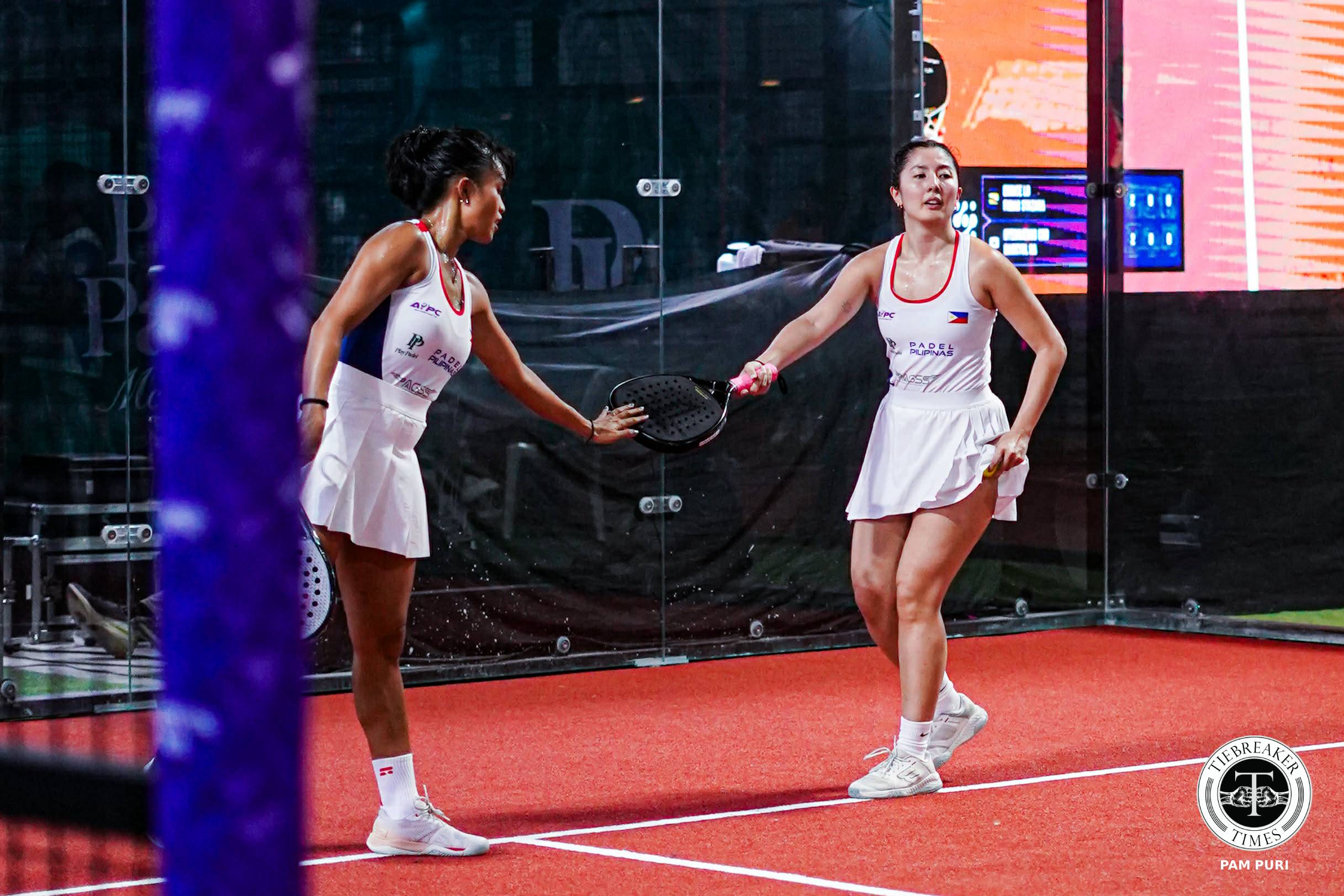
One of Friday night’s featured matches saw the Philippine tandem of Nadine Sebastian and Mayumi Jane Toribio outlast their opponents from Pakistan in a gritty three-set thriller, prevailing 6-2, 2-6, 6-1.
The physically demanding contest made the victory even more rewarding for Sebastian, who admitted the match took a toll on both players.
“I think it was tiring — it was three sets — but I’m really happy we were able to pull through,” she said.
Over the past few years, Filipinos have embraced racquet sports at an unprecedented rate, with padel joining tennis, badminton, and pickleball in the country’s growing sporting landscape.
For Sebastian, the sport’s rapid rise can be attributed to its accessibility. With a relatively low barrier to entry, padel offers newcomers an easy yet engaging alternative to more traditional racquet sports.
“I would say padel is really growing because it’s really a social sport. You have to be four people to play a padel match. It’s very beginner-friendly; it’s smaller than a tennis court. It’s a mix of tennis and squash, so I think it’s quick to pick up, whether you have a sports background or none at all,” she said.
A former varsity football player for the University of the Philippines, Sebastian is among a growing number of former student-athletes who have turned to padel as a way to maintain an active and competitive lifestyle after their collegiate careers.
While transitioning from the expansive football pitch to the enclosed walls of a padel court may seem unconventional, Sebastian has embraced the change and now encourages fellow former athletes to give the sport a try.
“I think, as different as it is from football, there are actually a lot of similarities. The social aspect for sure — you can make so many friends playing padel because, as I mentioned, you can’t play alone,” she said.
“It’s also easier to find matches versus football [where] you don’t have to find 22 other players, so I would say post-school, it’s a lot easier to play padel.”
As the ongoing Asia Pacific Padel Cup demonstrates, the sport is on a steep upward trajectory in the Philippines. Beyond its physical benefits, padel naturally fosters interaction through its doubles format, creating a strong sense of community that extends well beyond the court.
That sense of connection makes the sport especially appealing to young professionals adjusting to life after graduation. Once the built-in communities of varsity teams and college classrooms fade, finding opportunities for both fitness and meaningful social interaction can become a challenge.
“I think that after school, so many people in their 20s have a hard time making new friends because you’re not in class or having new classmates all the time. I think padel is perfect because you really meet people of all ages, and it’s a way to connect and make friends in your 20s and beyond,” said Sebastian.