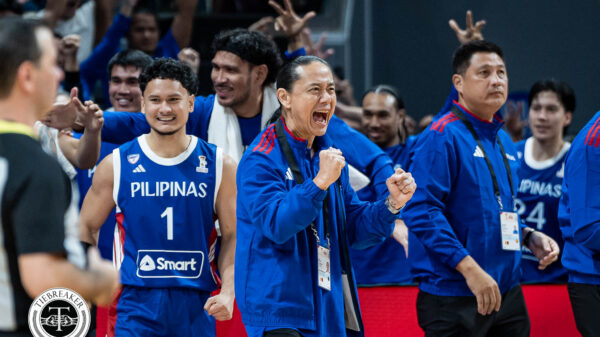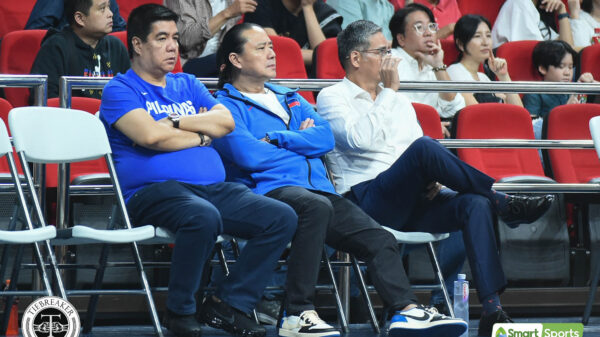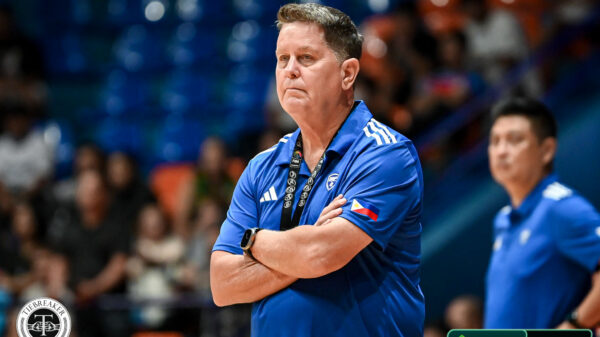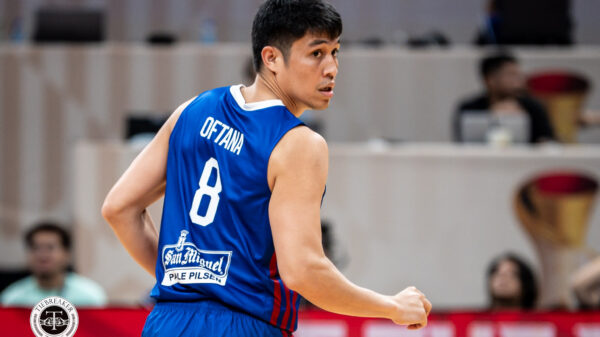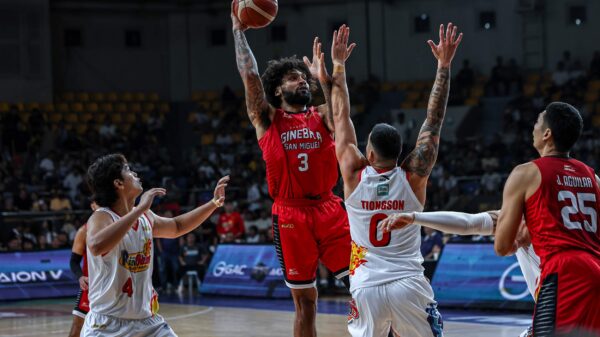



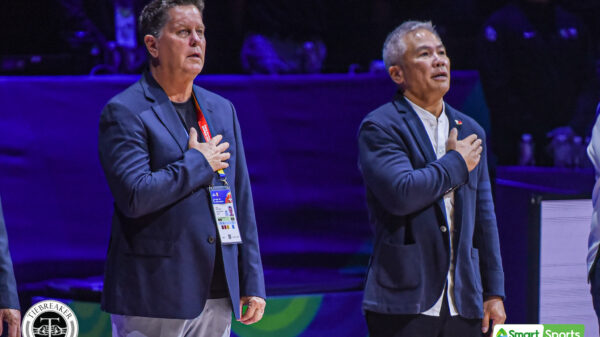

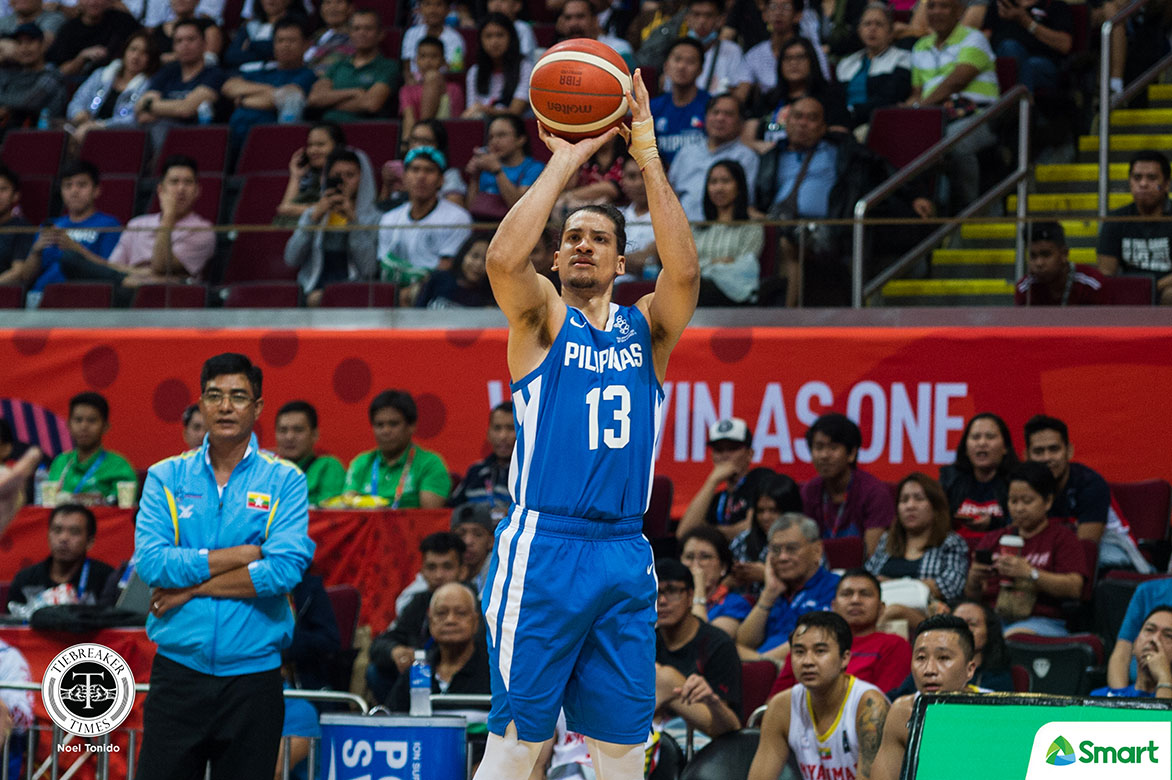











With the 2025 PBA Philippine Cup ending last July 25, Gilas Pilipinas head coach Tim Cone had barely two weeks to prepare the national team for the FIBA Asia Cup 2025 — far shorter than the extended training windows enjoyed by regional rivals.
Unlike other Asian leagues, which wrap up by late May, the PBA runs almost year-round.
The B.League closed on May 27, the KBL on May 17, Taiwan’s P.League+ on May 21, and China’s CBA on May 20. Even Australia’s NBL finished as early as March 23.
By the time Cone was handed San Miguel’s June Mar Fajardo and CJ Perez, and TNT’s Calvin Oftana — still fresh from a grueling Finals series — other national squads had already staged full training camps and tune-up games.
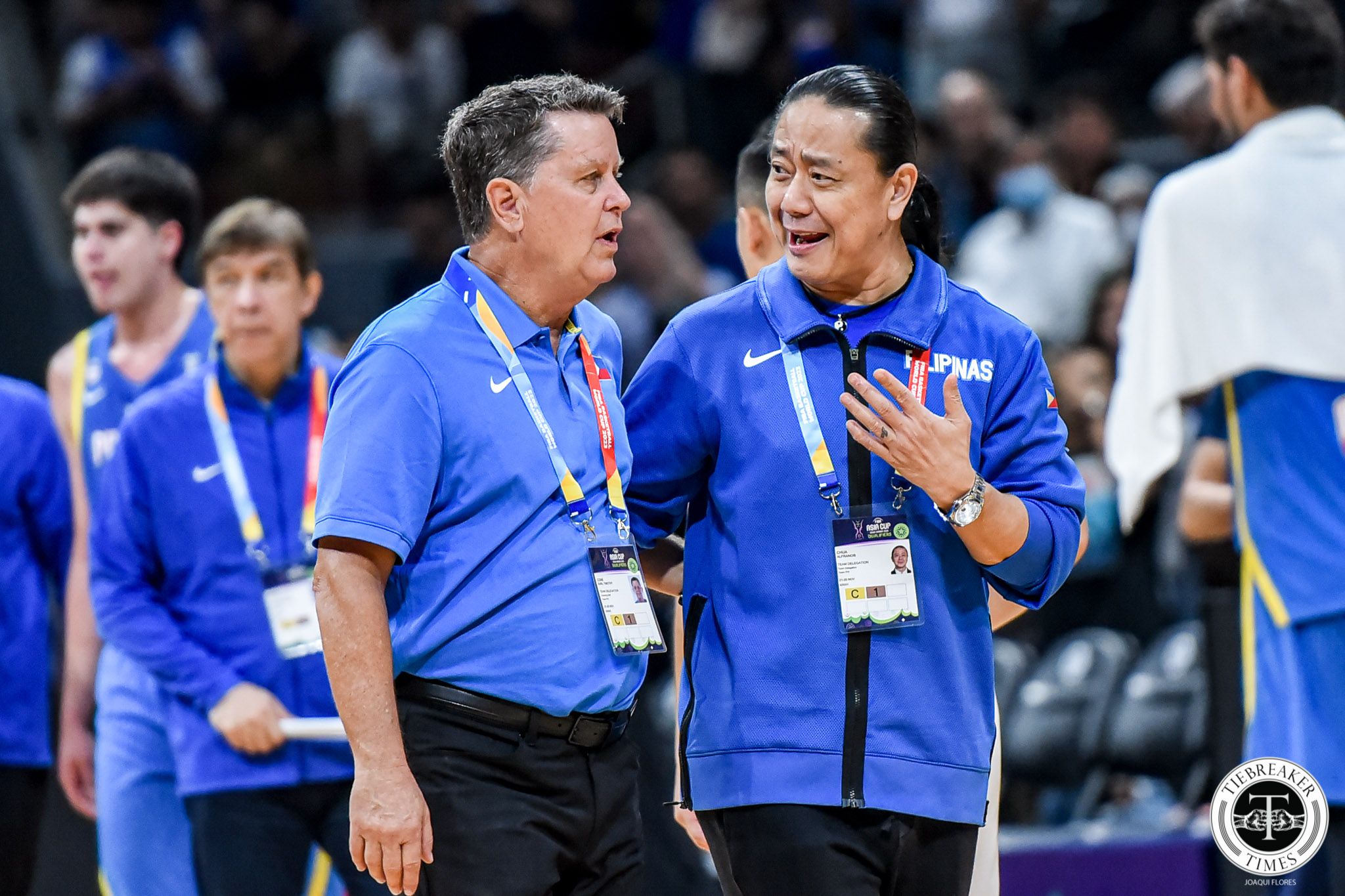
“These are things that are personally out of my control. It’s out of our control,” Cone admitted during Saturday’s episode of Noli Eala’s Power & Play. “We have certain parameters from which we can form, and we are doing our best to work within those parameters.
“Now, are we going to change the PBA culture? I would have loved to have had more time. Those two weeks, in terms of preparation, I think three of those days in those two weeks, we had the full team in practice.”
Cone pointed out that powerhouse neighbors Australia and New Zealand staged at least four tune-up games in May and June.
Gilas, meanwhile, scrambled to assemble its full roster for only a handful of sessions.
“So the bottom line is, I can’t personally change that, so I don’t worry about that,” he said.
“I would have loved more preparation time… but the PBA plays eleven months out of the year. If you want to change the whole culture, that’s fine, I wouldn’t have a problem with that. But these are the parameters that we have.”
(C) FIBA.basketball
Still, Cone has not been without a long-term plan.
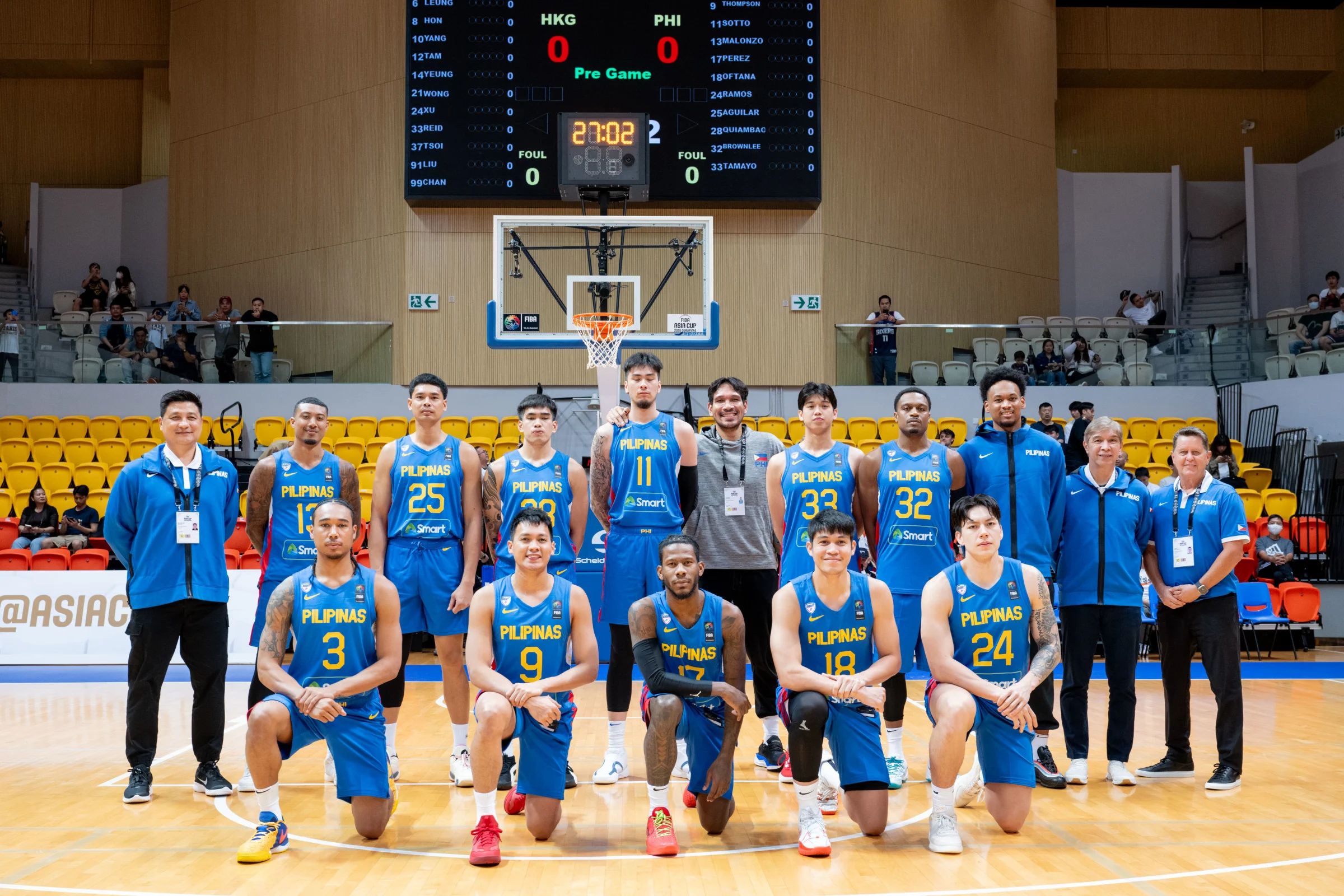
Since taking over, he has tried to minimize disruptions by sticking to a consistent core 12 players: Justin Brownlee, Kai Sotto, Dwight Ramos, AJ Edu, Kevin Quiambao, Carl Tamayo, Scottie Thompson, June Mar Fajardo, Chris Newsome, Calvin Oftana, CJ Perez, and Jamie Malonzo.
By banking on familiarity, Cone hoped that chemistry could make up for the limited preparation windows.
Any additions were carefully chosen.
Over two years, he dipped into his Ginebra team, bringing in Japeth Aguilar, Troy Rosario, and RJ Abarrientos — players already accustomed to his triangle system.
The idea was simple: keep changes minimal, preserve continuity, and avoid restarting from scratch every window.
“It’s not just about time constraints but also budgetary constraints as well,” Cone explained.
“We don’t have a massive budget like we had during the World Cup times. We’re working under certain constraints that we aren’t in control of.”
Those realities have left Cone and his staff with hard questions.
If he brings in fresh faces, will six days of preparation be enough to integrate them? If he sticks with veterans, can chemistry outweigh fatigue?
“By being a coach, you work under the parameters you are given,” Cone said. “The next window, we have six days to prepare for it. It may be only three days with the Japan guys.
“That’s going to be our challenge all the way. If we make wholesale changes to the team, and then we have three days to prepare, how good will we be when we play? These are the considerations we’ve actually taken. We’ve taken account of these things — time, preparation, and budget,” he continued.
“The PBA took a hit in the World Cup, losing a full conference, and after the pandemic. It was a tough time.”
Cone called the issue “systemic,” noting that the country has been grappling with scheduling and player availability since the 1980s.
This recurring dilemma has reignited nostalgia among fans for past programs that had full-time national team players.
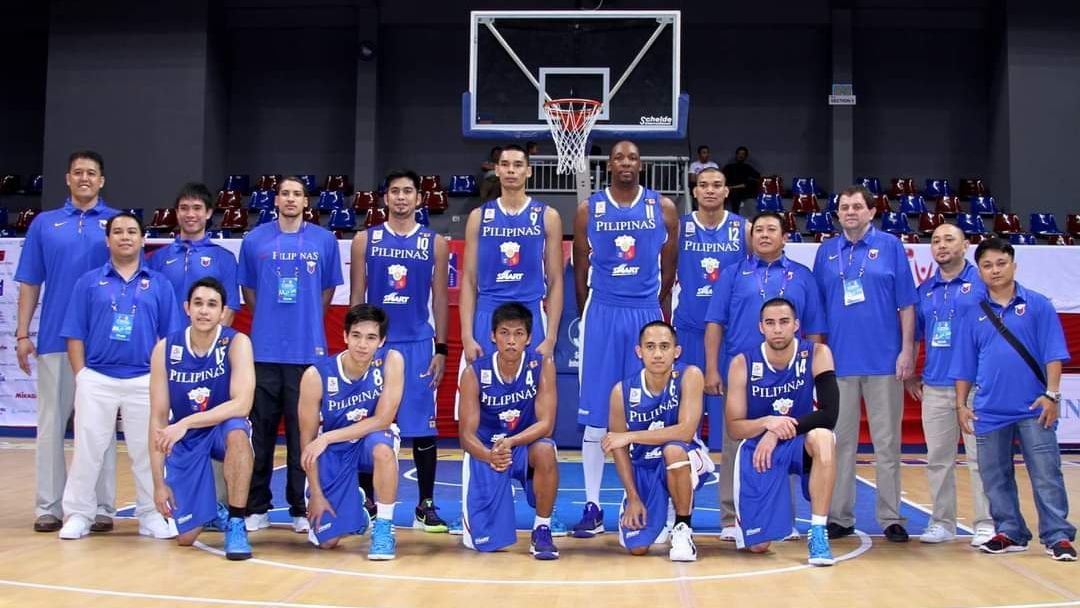
The late Danding Cojuangco’s Northern Cement Corporation squad (1980–1986) is often remembered as the blueprint of stability. Meanwhile, Manny V. Pangilinan’s Gilas 1.0 in the 2010s drew admiration for its commitment to continuity.
Both models, however, had different circumstances — heavy financial backing and players bound to the national cause.
Today, replicating those setups seems unrealistic. Who would finance it?
Running a dedicated national pool would mean compensating elite talents above their market value, a tall order given that FIBA windows only offer a handful of games each year.
Ultimately, even full-timers would need to turn professional again.
Cone knows he can’t overhaul the PBA calendar, nor can he get bigger budgets.
But he can maximize the hand he’s dealt.
“It’s a systemic problem, but you have to work within the system you have,” he said.
“We’ve had this issue not just now but since the 1980s. As a coach, you just work with the time you’re given.”