





























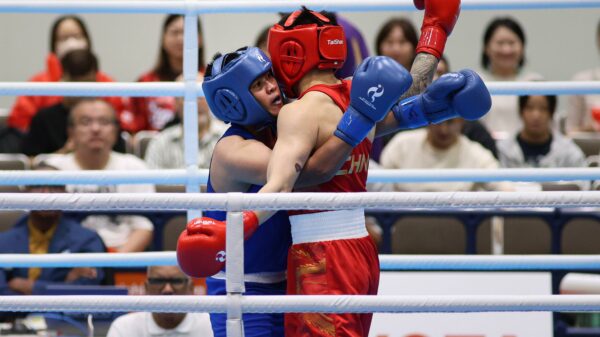
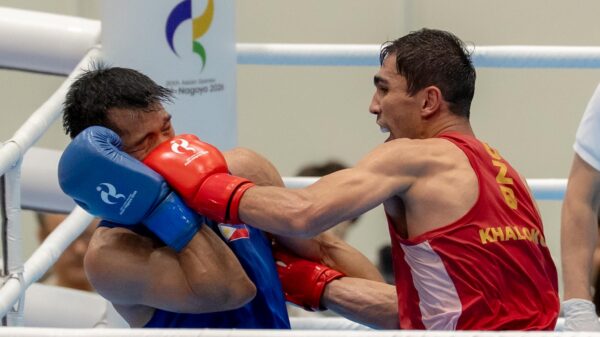
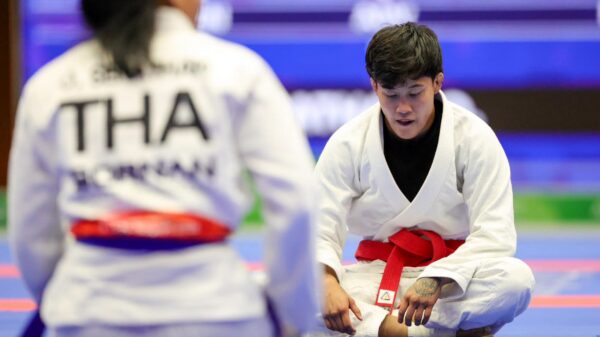
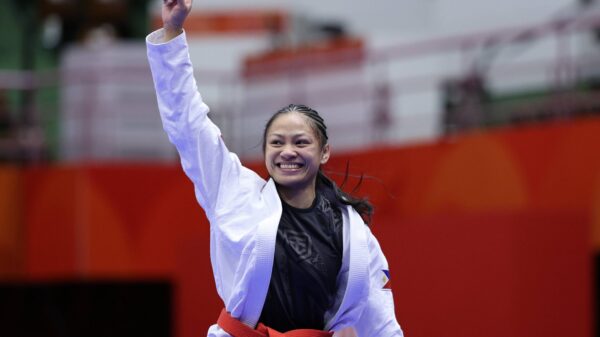











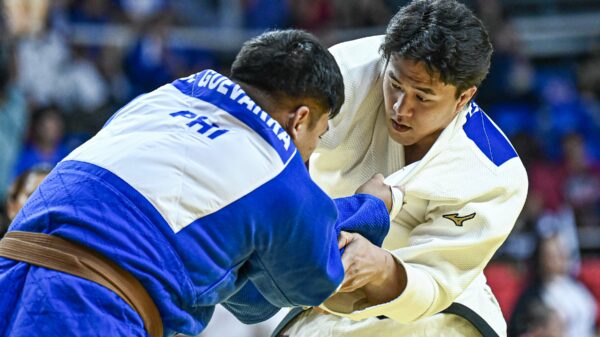
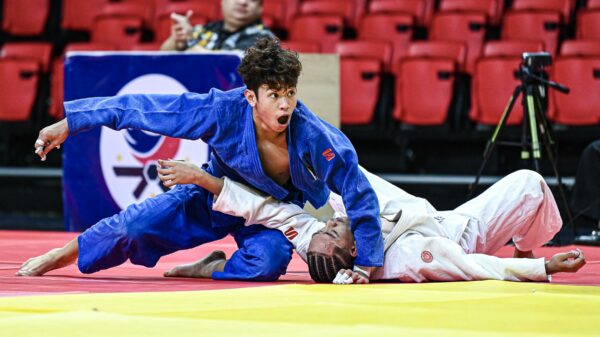


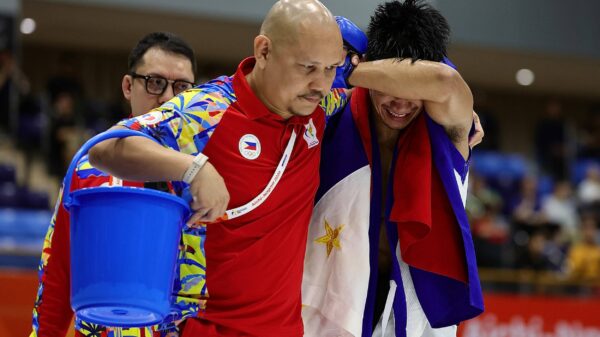
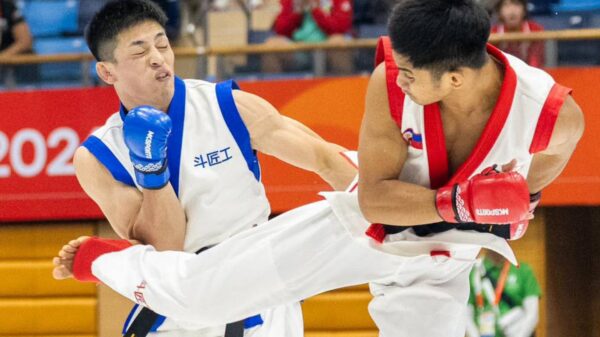














The long-envisioned Sports University, once considered a distant ambition, is now closer to becoming a reality as the Philippine Amusement and Gaming Corporation throws its full support behind the Philippine Sports Commission.
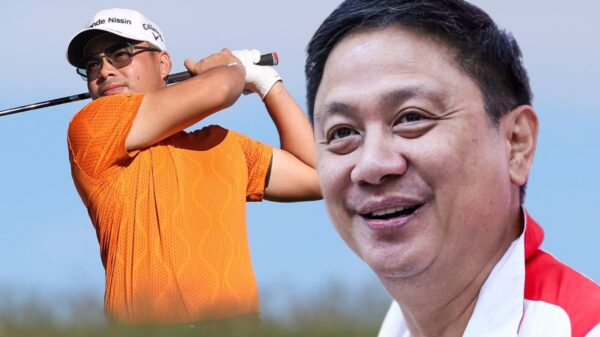
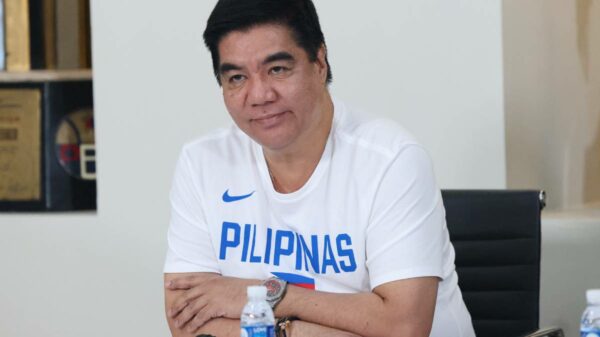
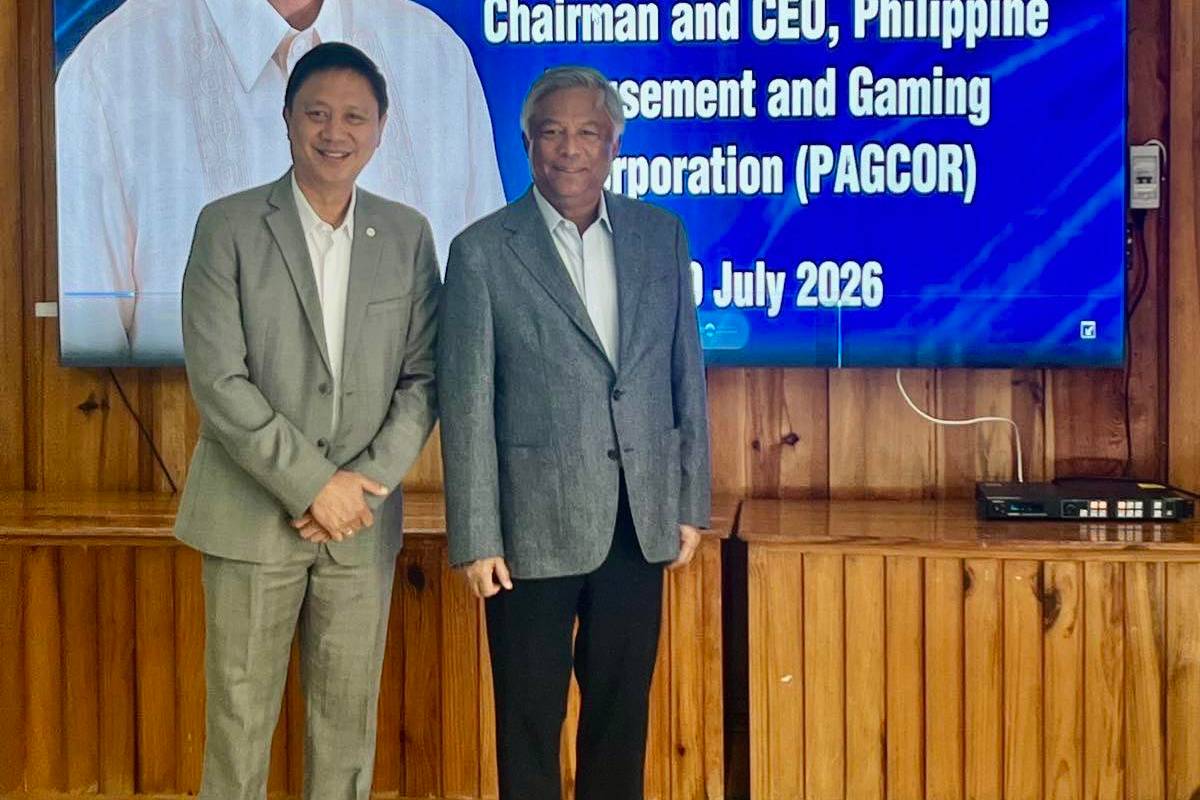
For PSC Chairman Patrick Gregorio, the partnership marks a defining moment for Philippine sports.
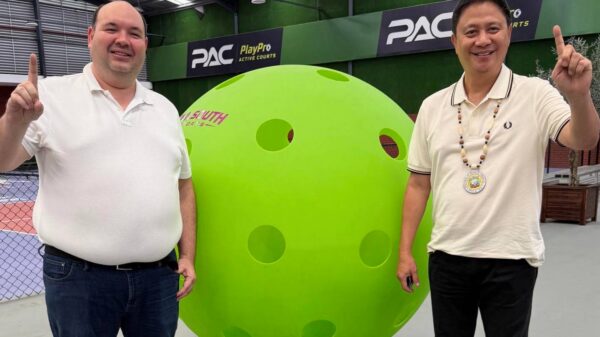
“Pagcor Chairman Al Tengco is more than a benefactor. Beyond what Pagcor mandates, he understands what is truly needed by Philippine sports to thrive. That is unique and absolutely vital,” Gregorio said.
The proposed Sports University, which is planned for New Clark City, represents a transformative step for Philippine sports. Several neighboring countries already have similar institutions, and the Philippines — with its growing pool of athletes and expanding sports infrastructure — is now in a position to establish one of its own.
“It’s about time that our country creates a Sports University,” Tengco said following the signing of a memorandum of agreement between the Philippine Military Academy, Bloomberry Cultural Foundation Inc., and Pagcor on Friday.
“Chairman Pato and I discussed how we can help each other beyond Pagcor’s monthly support to the PSC. I fully support the idea of building a sports university.”
Pagcor’s mandated five-percent share of gross gaming revenue now provides the PSC with nearly P400 million every month, amounting to roughly P5 billion annually.
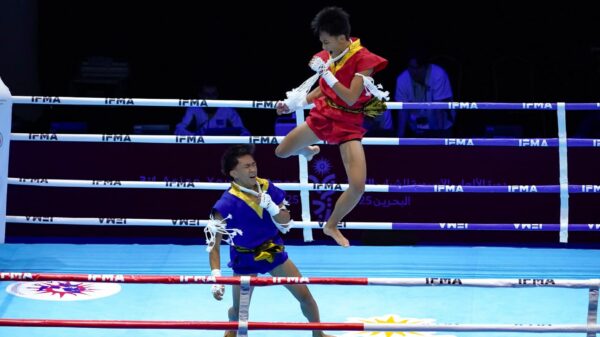
But the partnership extends beyond financial support. While incentives for medal-winning athletes, assistance for coaches, and grassroots development programs are already in place, the Sports University represents a long-term investment in the country’s sports ecosystem.
Since the Supreme Court ruling took effect on January 1, 2026, granting the PSC Pagcor’s full five-percent share of gross gaming revenue, the agency’s funding has significantly increased, providing a major boost to Philippine sports.
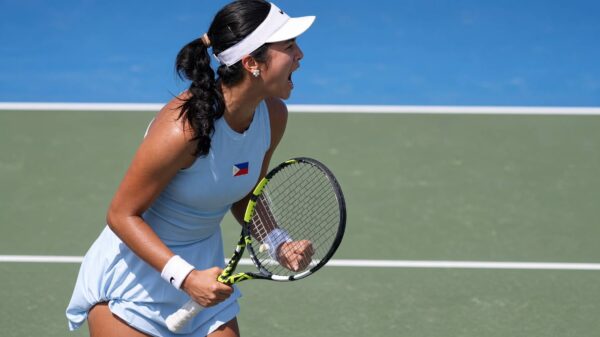
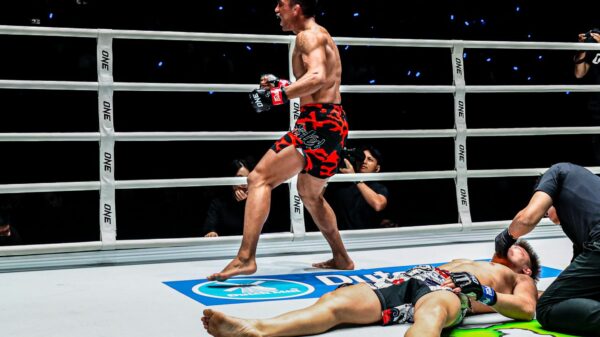
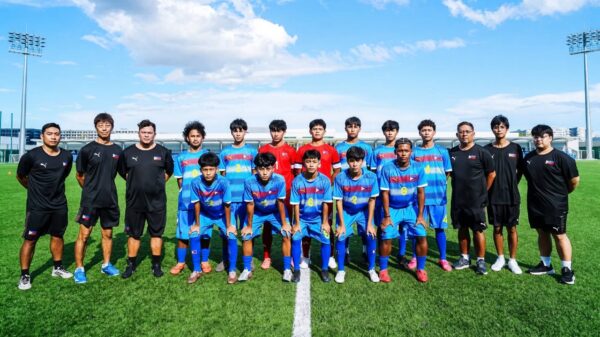
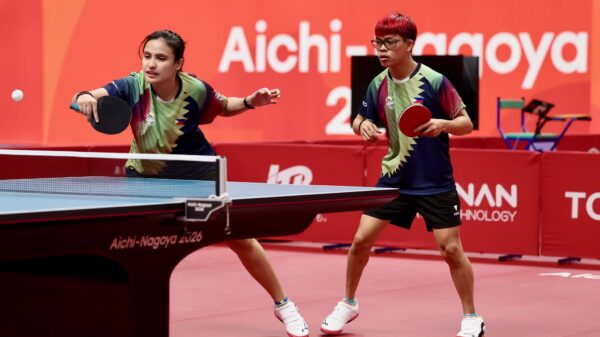
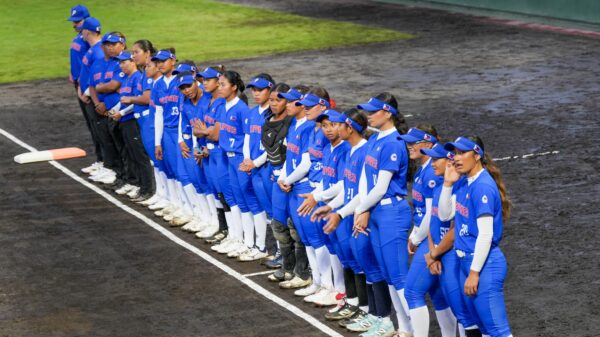
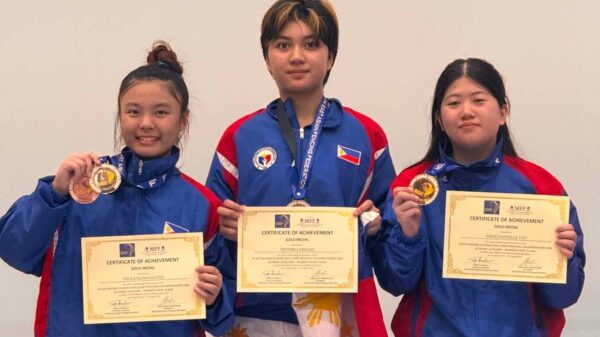
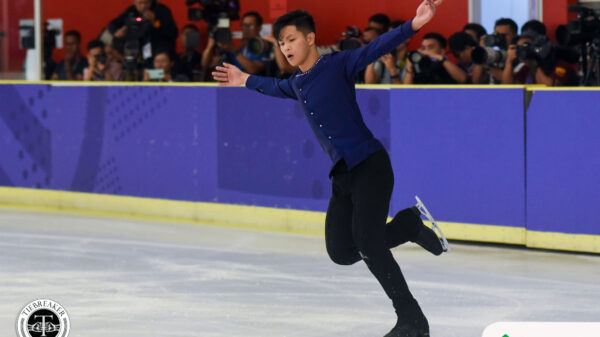
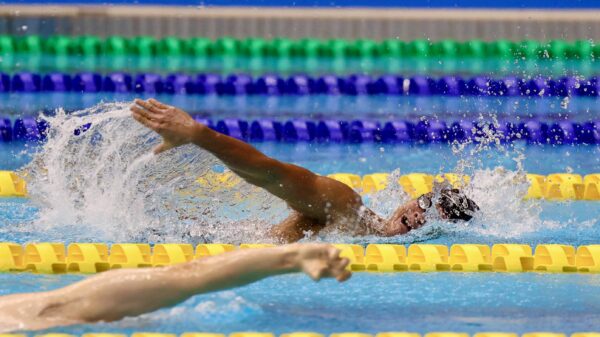
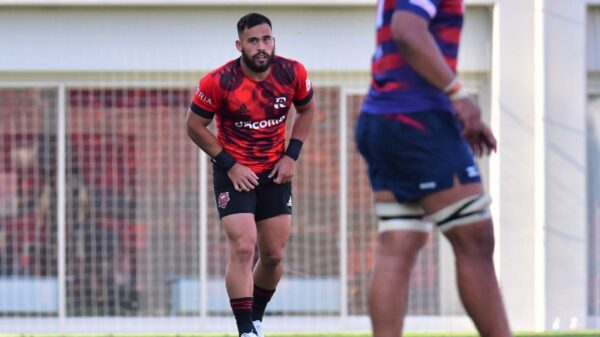
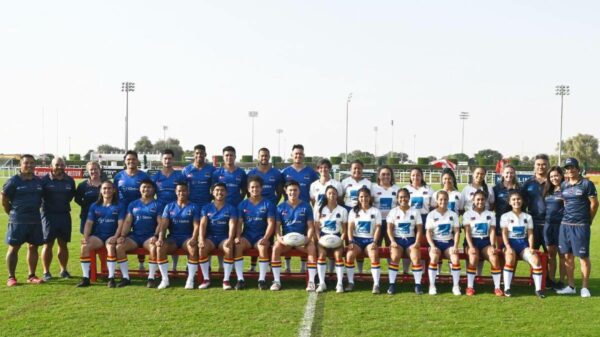
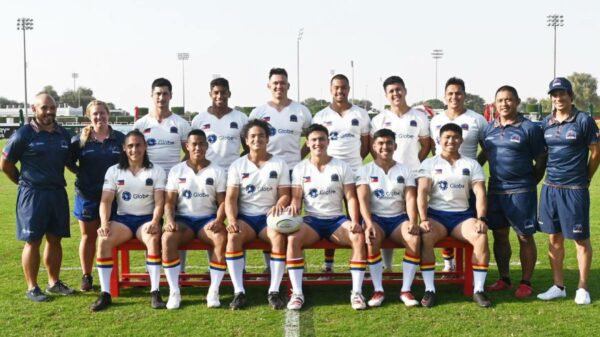
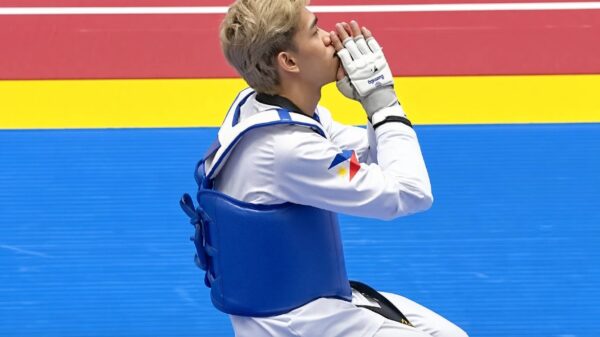
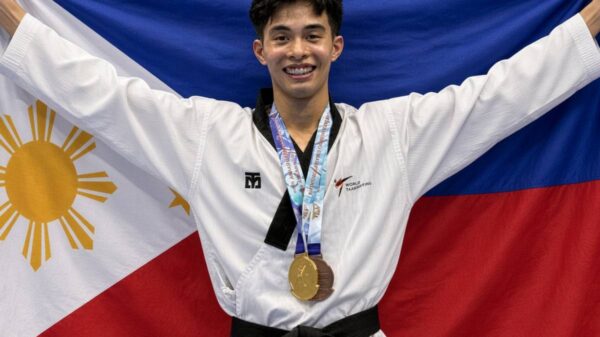
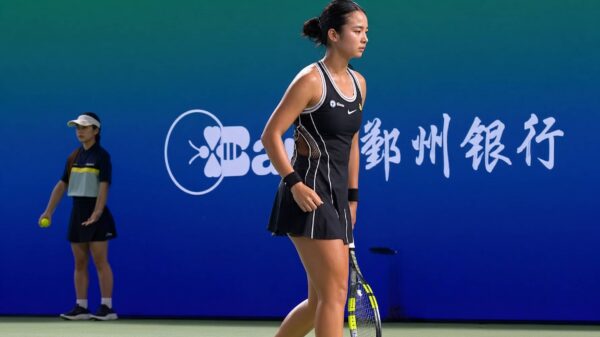
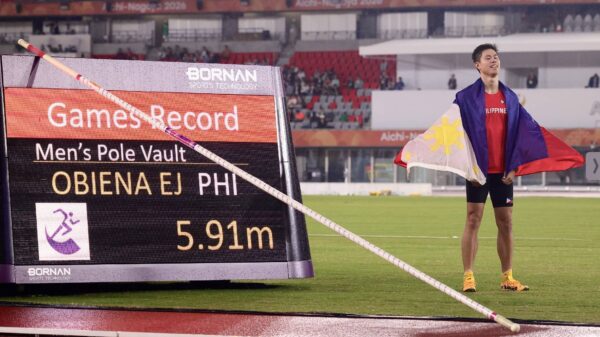
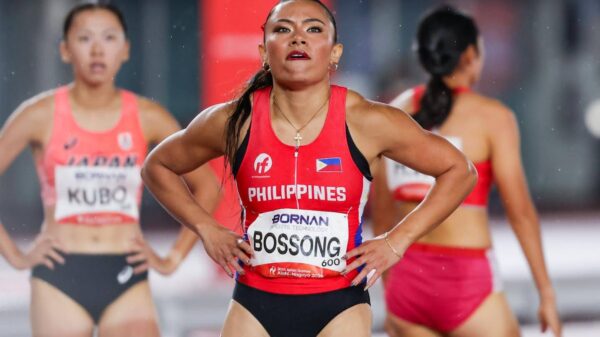
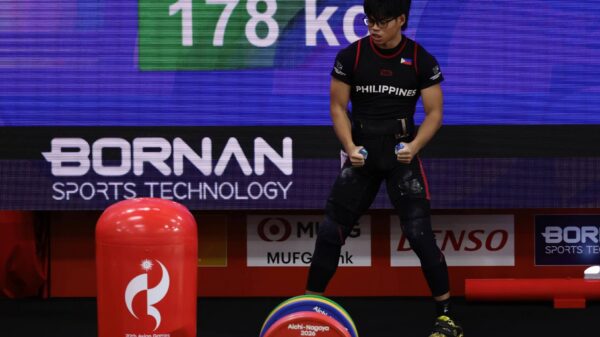
“If you noticed, there are many Filipino athletes who have been winning lately. One reason is the funding from Pagcor — that’s our support to Philippine sports. But more than that, it’s the vision and governance of PSC Chairman Patrick Gregorio,” Tengco said.
“No matter how big the budget is, if you cannot allocate it well, use it efficiently, and it doesn’t reach the athletes the right way, then there’s no use,” he added.
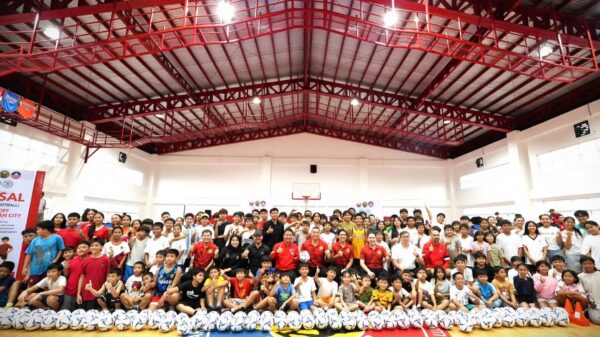
Gregorio emphasized that the increased funding must translate into tangible benefits for athletes through improved training, better facilities, and greater access to opportunities across the country.
“Our athletes deserve not only financial support but also the assurance that their welfare is prioritized. Every peso must translate into better training, better facilities, and better opportunities,” Gregorio said.
Also during Friday’s event, PMA Superintendent Vice Admiral Caesar Bernard N. Valencia PN and Bloomberry Cultural Foundation Inc. President Donato C. Almeda signed the MOA with Tengco for the construction of a modern warfare laboratory at Fort del Pilar.
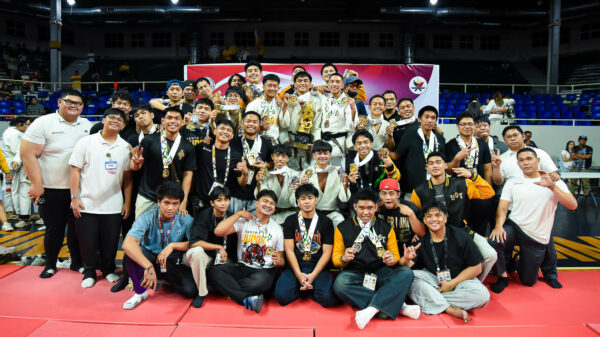
The PSC and PMA likewise formalized another agreement, with Gregorio and Valencia signing a separate MOA aimed at strengthening the country’s national pool in combat sports such as judo, karate, taekwondo, fencing, shooting, and sport climbing.
To reinforce the partnership, the PSC also turned over new sports equipment for PMA cadet-athletes, ensuring they have the resources needed to train and compete at a high level.
From provincial sports complexes to grassroots development programs, the PSC’s initiatives are now part of a broader vision of creating a sustainable athlete development system nationwide.
At the center of that vision is the Sports University, envisioned as a hub where education, training, sports science, and research come together to elevate Philippine sports.
Although only recently appointed, Gregorio has already pushed projects aimed at improving training programs and upgrading sports facilities. His long-term vision also includes completing sports complexes in strategic provinces to allow athletes to train closer to home instead of relocating to Metro Manila.
“If we can finish these facilities in key cities and provinces, these athletes should no longer go to Metro Manila to train. They can train in facilities close to their hometown,” Tengco said.
With Pagcor’s backing and Gregorio’s long-term vision, the Sports University is no longer merely an aspiration. It is steadily taking shape as the cornerstone of a new era for Philippine sports.