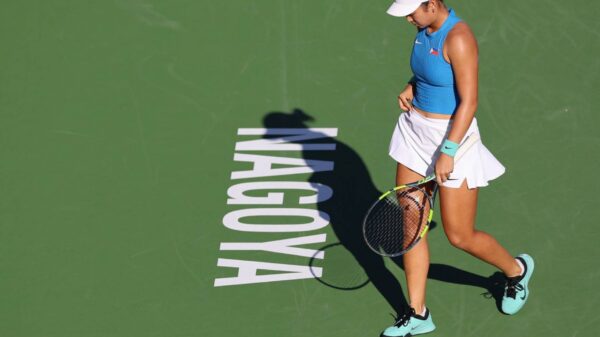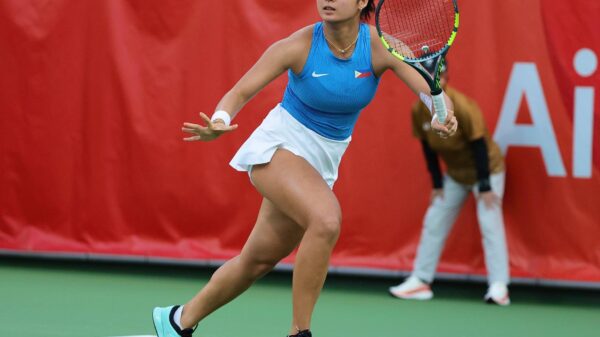















































































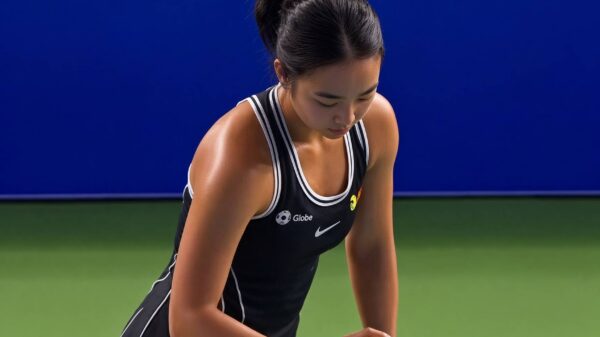
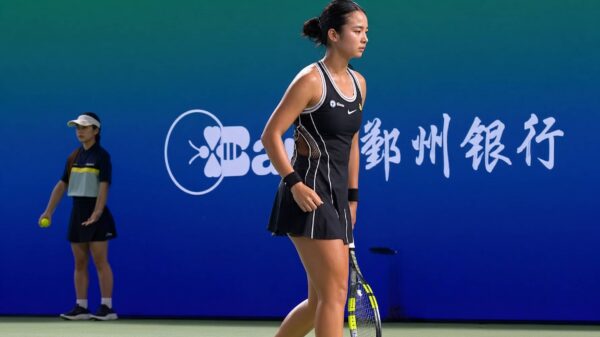









On a Monday evening that felt more like a celebration than a tournament opener, Alex Eala finally stepped onto a professional tennis court at home — not as a promising junior, not as a visiting prodigy, but as a full-fledged professional carrying the hopes of a nation.
For Eala, the moment was deeply personal.
“I think it really holds a special place in my heart. It’s my first ever professional match at home. And I was able to spend it around family and around supporters and surrounded with them,” the 20-year-old Eala, who studied at Immaculate Conception Academy in San Juan and Colegio San Agustin in Makati before moving to the Rafa Nadal Academy in Manacor, Spain.
“So it’s very special.”
That sense of occasion hung thick in the air at the newly refurbished Rizal Memorial Tennis Center, where cheers erupted with every forehand winner and every fist pump.
It was the first time Eala’s family and close friends had watched her compete live as a professional — an experience that turned what could have been just another Round of 32 match into another personal milestone.
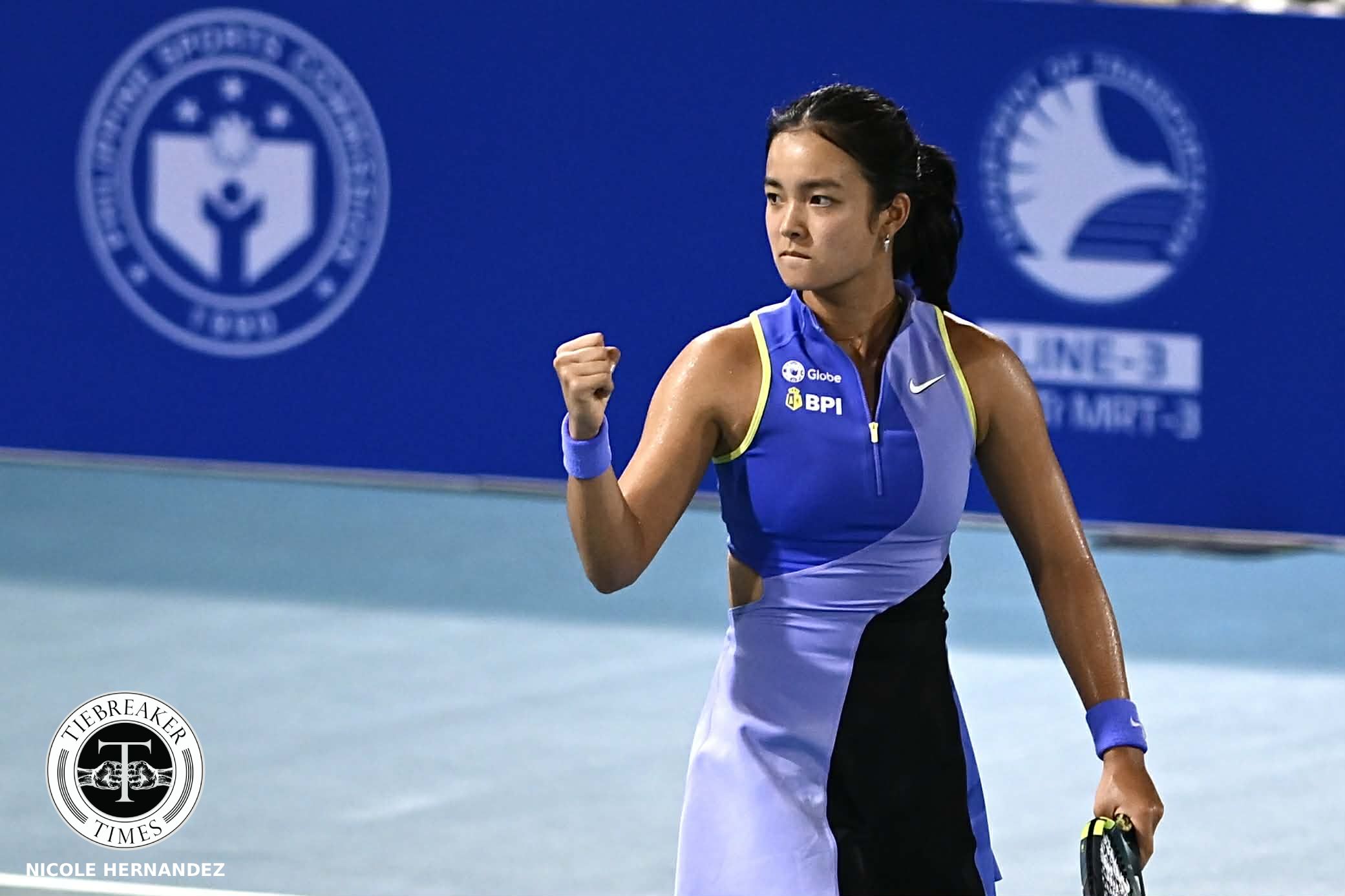
The 2026 Philippine Women’s Open itself is a testament to her growing influence.
Awarded by the Women’s Tennis Association to the Philippines, the tournament exists largely because of what many have dubbed the “Eala phenomenon” — a surge of interest that has swept through the country as she continues to break barriers on the global stage.
There was a bittersweet undertone to her participation.
Eala arrived in Manila fresh off an early exit from the 2026 Australian Open, a setback that stung but also opened the door for her long-awaited homecoming.
Instead of dwelling on disappointment, she turned it into fuel. And the result was emphatic.
Eala cruised to a 6-1, 6-2 victory over Alina Charaeva, barely giving the Russian room to breathe.
Yet while the court felt familiar, much around it had changed.
“Yes, there definitely is a sense of familiarity. But it’s changed a lot since the last time I’ve been here. Credit to Philta and Tita Dyan (Castillejo) for the amazing setup for the tournament,” she expressed.
“It wasn’t quite this grand when I last competed here. So I would say it’s familiar, but it’s upgraded.”
The upgrades were no accident.
In preparation for the week-long event, the Philippine Sports Commission and the Philippine Tennis Association undertook a major refurbishment of the Rizal Memorial Tennis Center, turning it into a venue worthy of a WTA-sanctioned tournament — and of the player who inspired it.
With that spotlight, however, came pressure.
“I would say there’s a bit of added pressure. But yeah, that’s the job. The job comes with pressure,” she said.
“And like Billie Jean King says, pressure is a privilege. And I’m learning how to handle it in my own way. So I’m happy with how I performed today.”
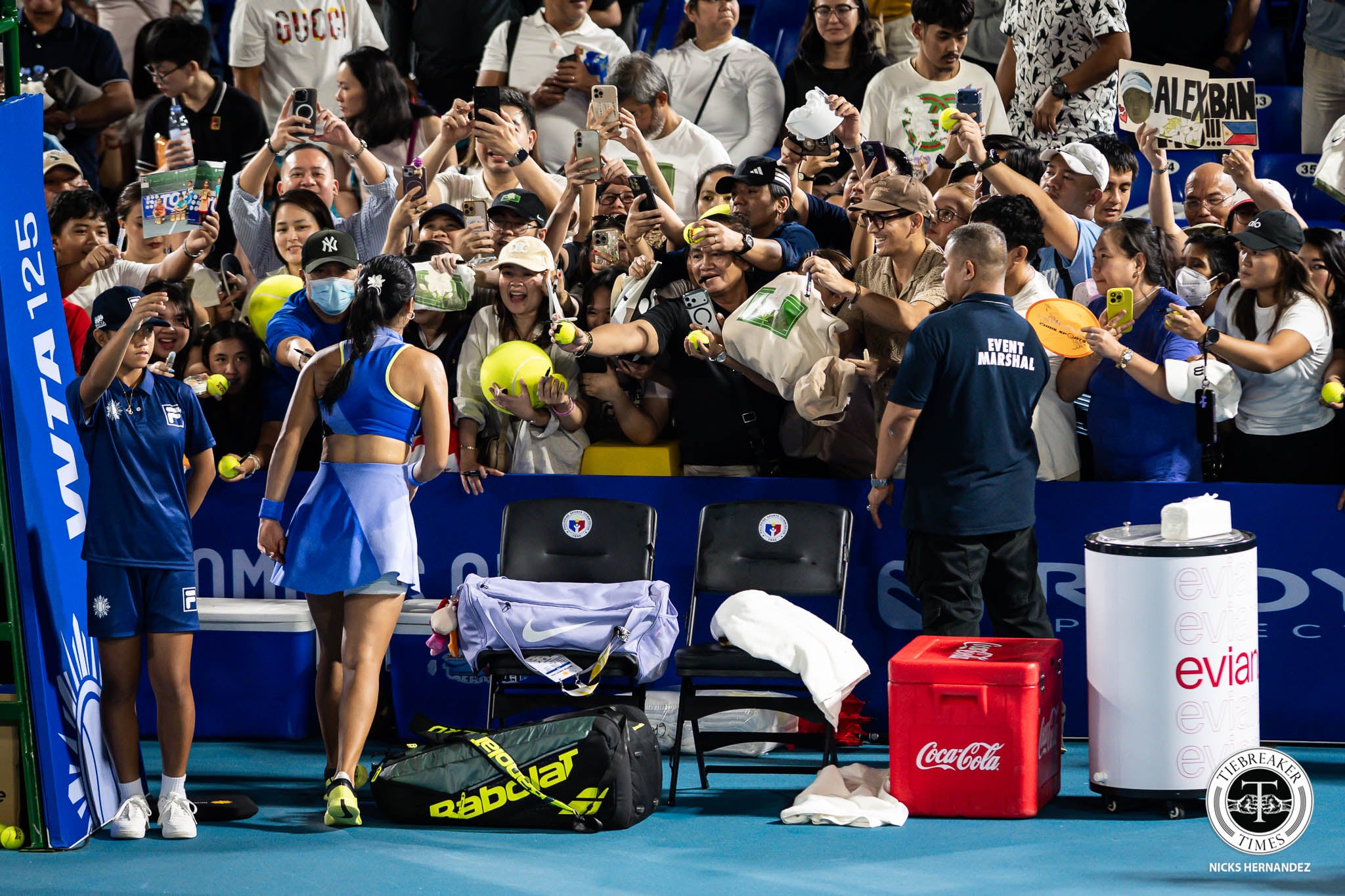
Expectations are undeniably high.
Tickets for the tournament have been sold out all the way through the finals, a rare feat for tennis in the country.
Eala feels that energy, and she embraces it.
“It’s so heartwarming. And it’s nice to see that people are really having fun. And I think this is like I said, in many, many occasions, I think this is a great platform for tennis to grow in the Philippines,” she said.
“It’s a great platform for people to connect with the sport and really just genuinely enjoy and learn more.”
After her win, Eala spoke candidly about how she grounds herself when the weight of expectation grows heavy.
In moments of doubt, she looks beyond the court — to the realities faced by the people she represents.
“I think I do my best because I know that, especially in international stages, I represent quite a big demographic. And it’s such an honor to have this support and this community rally behind me. So I do my best to give back to them and do what I can through my tennis and, you know, through my hard work,” she said.
“And sometimes when all this attention and all of this pressure gets a bit overwhelming for me, that’s kind of what I repeat to myself. And that’s what makes me feel small again and pulls me back to the ground. It’s that, you know, the everyday person, not only Filipinos, it’s just everyone around the world, you know, has their own struggles,” Eala expressed.
“And in the end, it’s a privilege to be able to live out my dreams. I’m a professional tennis player. I’ve worked my whole life to be a professional tennis player. I’m at the top of the game. So I have so much to be lucky, to feel lucky for, despite the challenges that come with my job.”