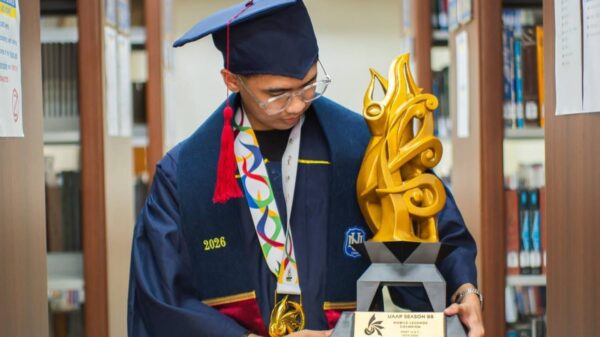





















































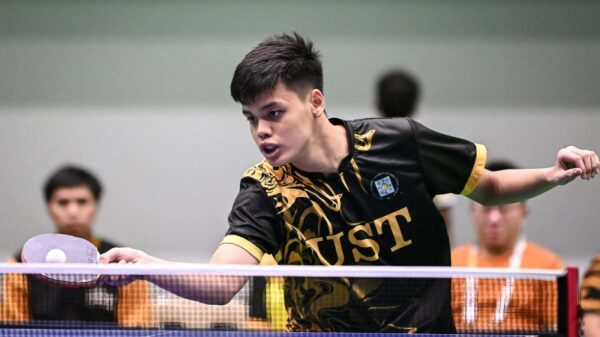


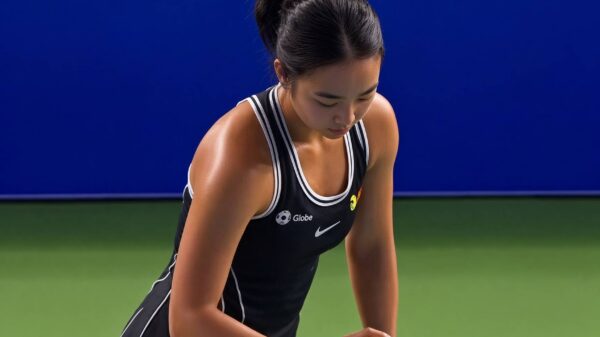
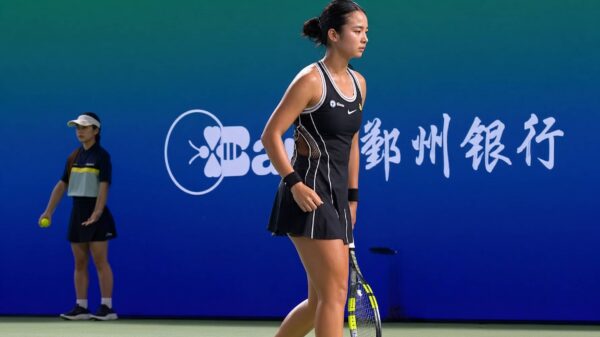







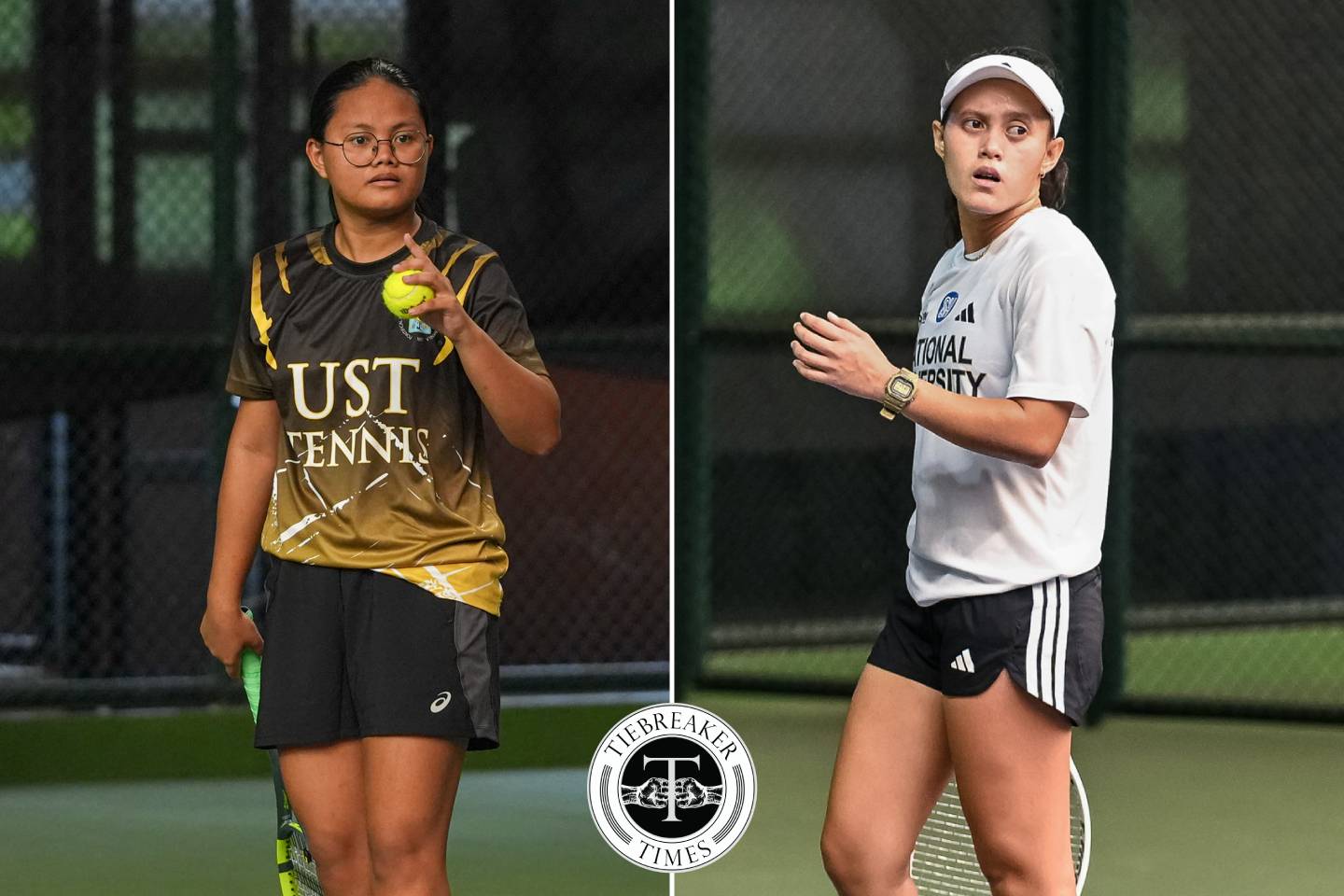

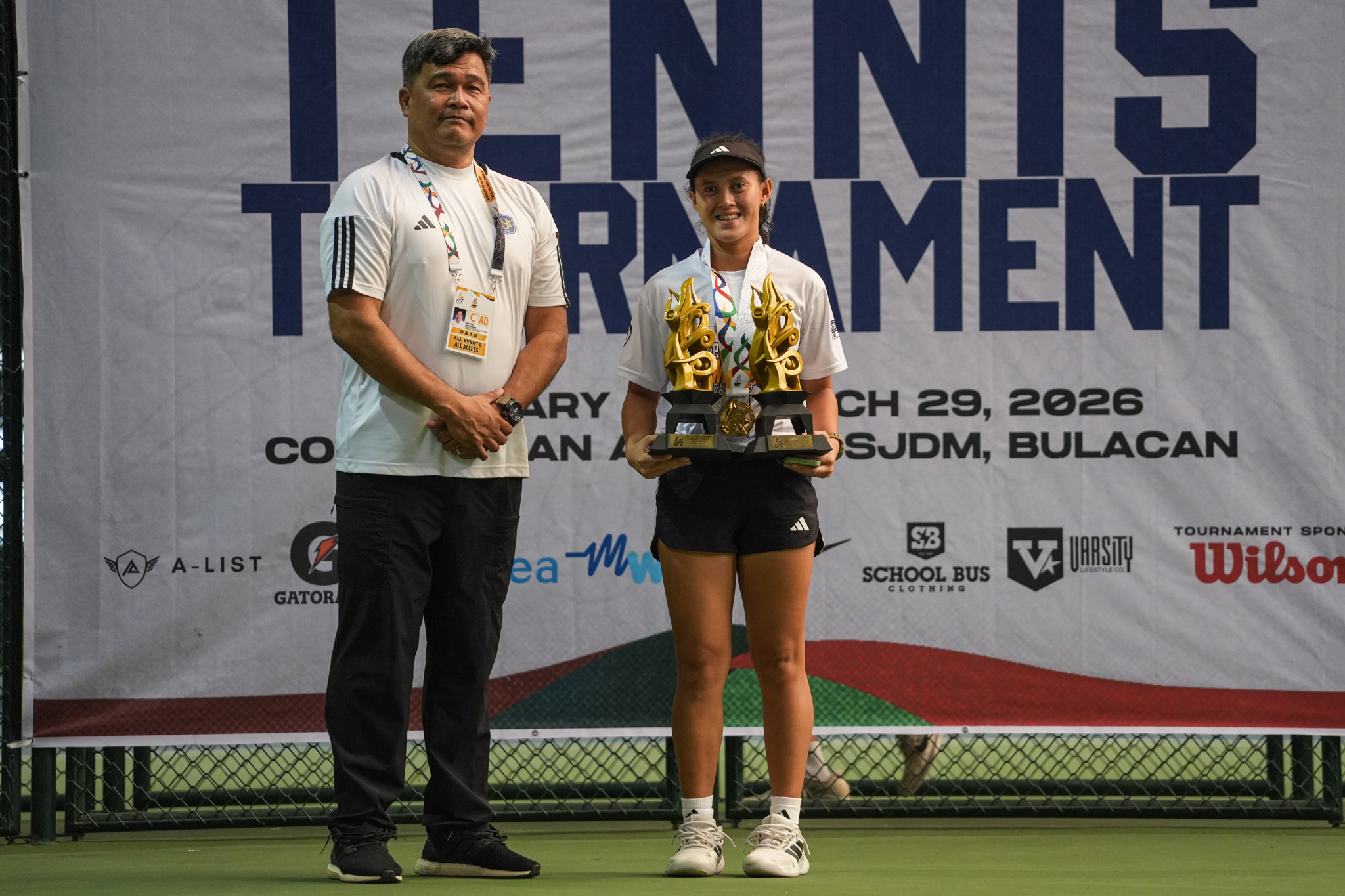
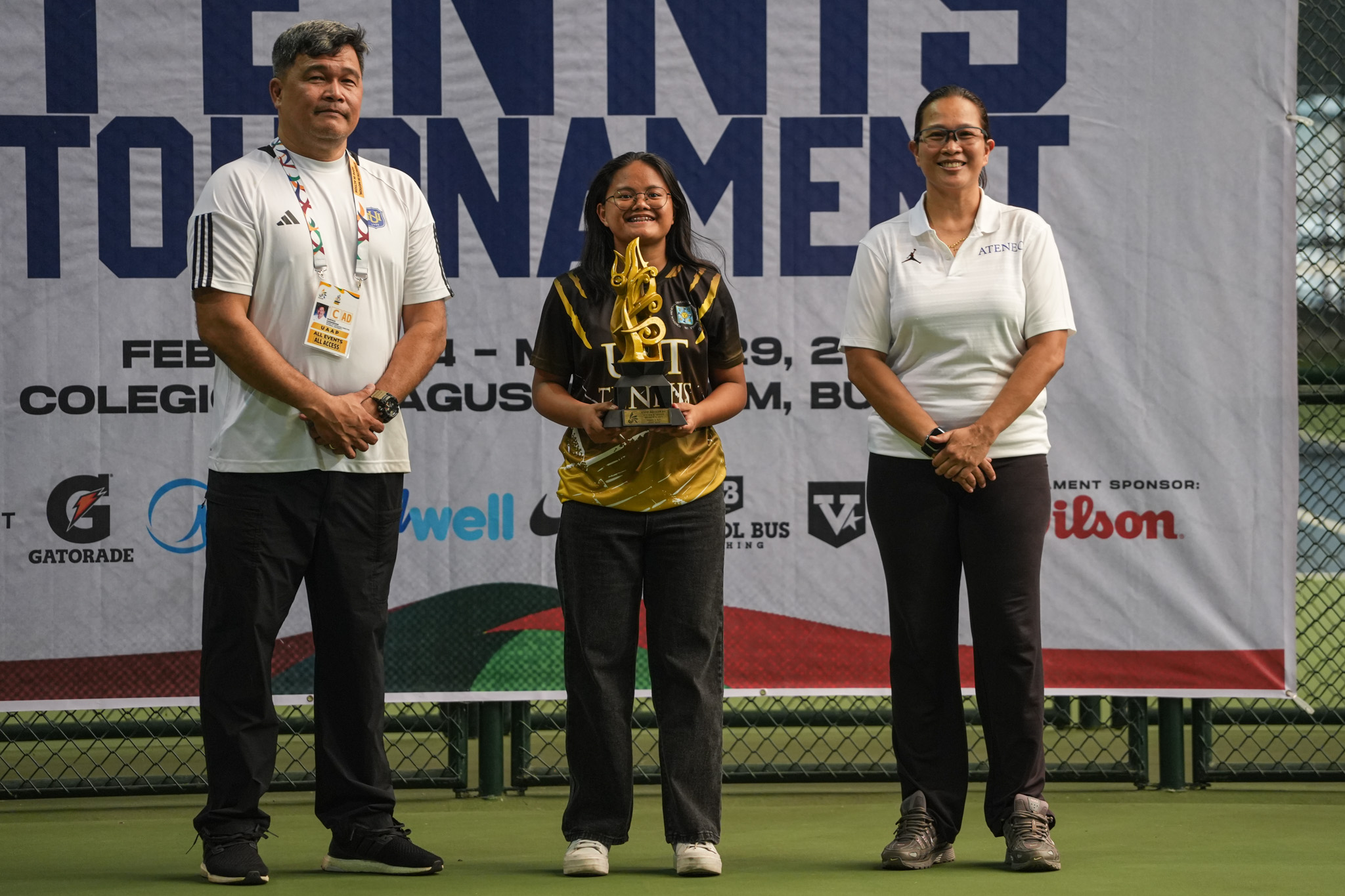
When University of Santo Tomas’ Kaye Emana and National University’s Elsie Abarquez shared the Most Valuable Player award in the recently concluded UAAP Season 88 Collegiate Women’s Tennis Tournament, it capped a season shaped by an experience bigger than any collegiate match: their first taste of world-class competition at the inaugural Philippine Women’s Open.
The two rivals—ranked No. 5 and No. 6 in the country, respectively—had stepped onto the same WTA 125 court at the Rizal Memorial Tennis Center last January as local wildcards. Though both were eliminated in the Round of 32, what they brought back to the UAAP hardcourt proved more valuable than a win.
“Malaking tulong po ‘yung PWO. Nakapaglaro po ako with international players. Nakita ko po kung paano sila maglaro, gaano po sila kagaling at mag-prepare. So na-apply ko naman po siguro dito sa UAAP ‘yung mga nalaro ko noon, kaya ayun po, nagbunga po, naging MVP,” said Emana.
Abarquez, who led the Lady Bulldogs to the UAAP Season 88 championship and was also named Finals MVP, echoed the sentiment:
“Medyo nagkaroon ng kumpiyansa po ako dito, parang gano’n. ’Yung nakumpiyansa ‘yung laro ba, kasi nakalaro po ako sa gano’n kalaking tournament po ba,” said the three-time UAAP champion from Cebu. “Parang naging confident po maglaro.”
(C) UAAP Season 88 Media Team
The 2026 PWO, held Jan. 26–31, was the first WTA event staged in the Philippines. Current world No. 45 Alex Eala headlined the tournament, drawing the biggest crowds before falling in the quarterfinals to eventual champion Camila Osorio of Colombia.
The local contingent included Emana, Abarquez, UST’s Justine Maneja, NU’s Rovie Baulete, and De La Salle University’s Angeline Alcala. While the five UAAP players fell in the first round of both singles and doubles, the experience enriched their game immeasurably.
It also gave Emana a clearer perspective on what Philippine women’s tennis still needs—not just more tournaments, but broader recognition. She recalled how Filipino players were criticized online after their PWO losses, especially by fans unfamiliar with anyone outside Eala.
“Noong nangyari nga po noong WTA, halos lahat po ng nag-join na Philippines ay na-bash kasi nga po talo. Tsaka ‘yung mga hindi po talaga nag-support sa tennis noon [at sumuporta ngayon] dahil lang po kay Alex, doon lang po sila nakatutok kung saan si Alex lang po yung naglalaro,” said Emana.
“And hindi po sila nag-research or hindi po nila kilala yung ibang sumali.”
For the back-to-back UAAP MVP, it is less a complaint than a call to broaden attention:
“So ngayon po feeling ko po, mas kailangan nilang tutukan din ‘yung mga dito talaga pong naglalaro sa Philippines, hindi lang po si Alex.”
(C) UAAP Season 88 Media Team
Still, Emana remains optimistic about Philippine women’s tennis, crediting Eala for helping put it on the global map:
“Feeling ko po [magiging] super successful po talaga, lalo na po at nakikilala po talaga si Alex. And thankful po kami na nag-boom po talaga ‘yung tennis simula po nung mga tournaments niya,” she said.
Yet both Emana and Abarquez are asking for more—more tournaments, more exposure, and a pipeline for UAAP players who have few other international stages to test themselves.
“Need lang po siguro ng maraming tournaments for women, para baka may sumunod po na Alex Eala someday,” Emana said.
“Para po hindi lang po si Alex siguro ‘yung magre-represent, pati ‘yung mga locals po dito sa Philippines, ma-encourage po talaga na mag-participate po sa gano’n.”
Abarquez’s request is the same. PHILTA signed a three-year contract with the WTA for the WTA 125 event, ensuring at least two more editions. She wants those—and a clear pathway to international exposure.
“Sana next year, sana sunod-sunod pa din ko yung gano’n na PWO para ma-expose po yung mga players na nandito sa Philippines,” she said.
“More tournaments po sana. ‘Yung mga international po sana meron pa rin ulit at magkaganyan ulit ‘yung mga malaki na tournaments po dito… at ‘yung mga playoffs [para] makapasok diyan sa malaki na tournament, ‘yung gano’n,” Abarquez added.
The PWO proved the Philippines can host world-class tennis and fill the stands. Emana and Abarquez are asking only that local players who helped build that scene be given the structure to grow—and the recognition they have earned.