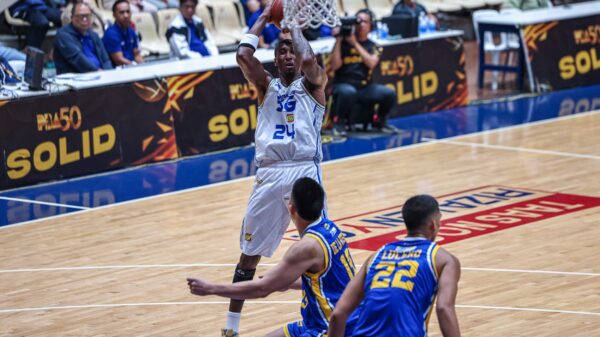
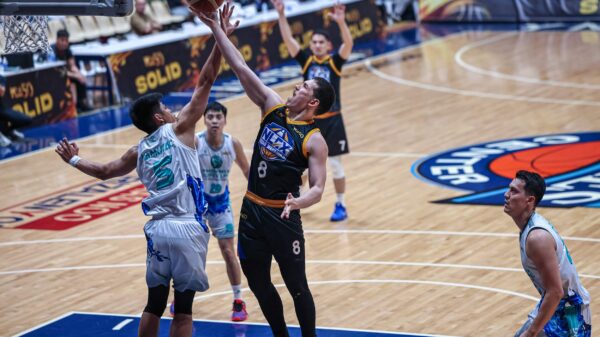
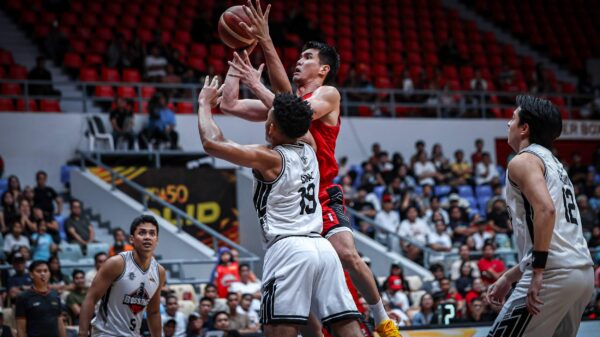








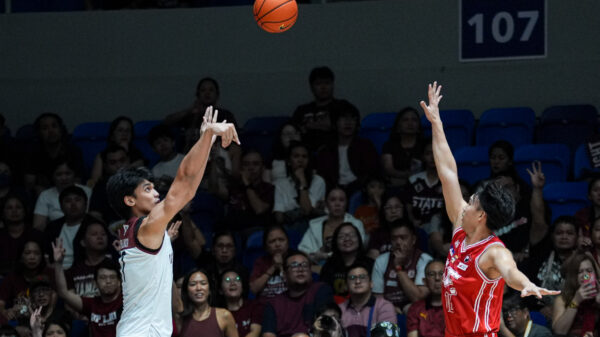











The men’s basketball competition at the Southeast Asian Games has long been an arena practically owned by the Philippines.
The country has emerged champion 20 times in 23 stagings, with the only exceptions being in 1979 and 1989, when Malaysia claimed the gold, and in 2021, when Indonesia finished on top.
This dominance often makes the Philippines the clear favorite to retain the basketball title every SEA Games.
But that was not the case in 2025.
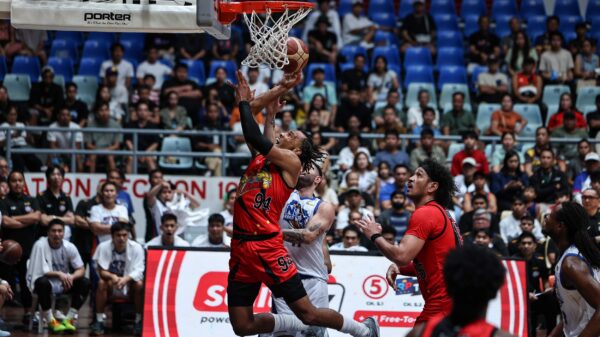
Norman Black had to scavenge for whatever talent was available because, first, all the major leagues in the Philippines—the PBA, MPBL, UAAP, and NCAA—were still ongoing, and second, host Thailand attempted to bend eligibility rules and officiating to their advantage.
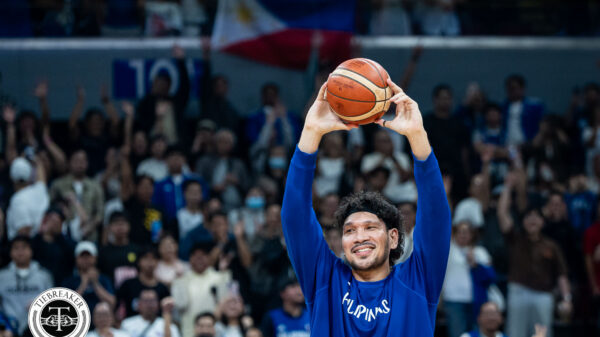
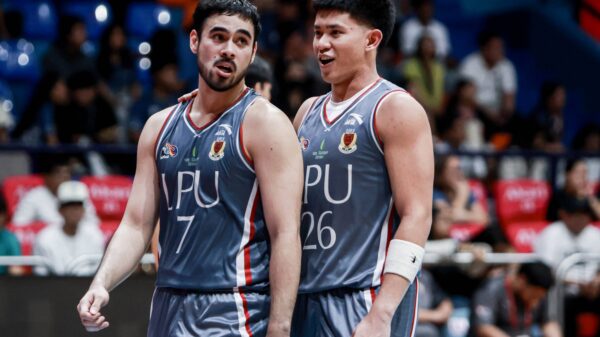
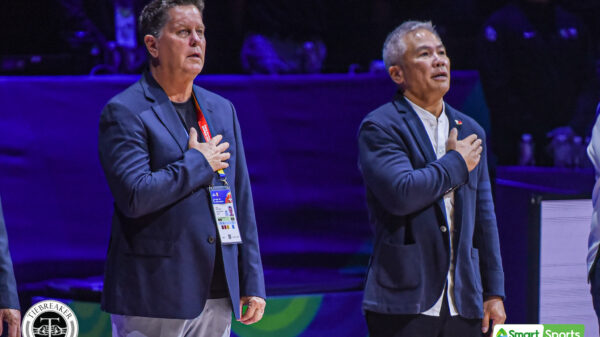
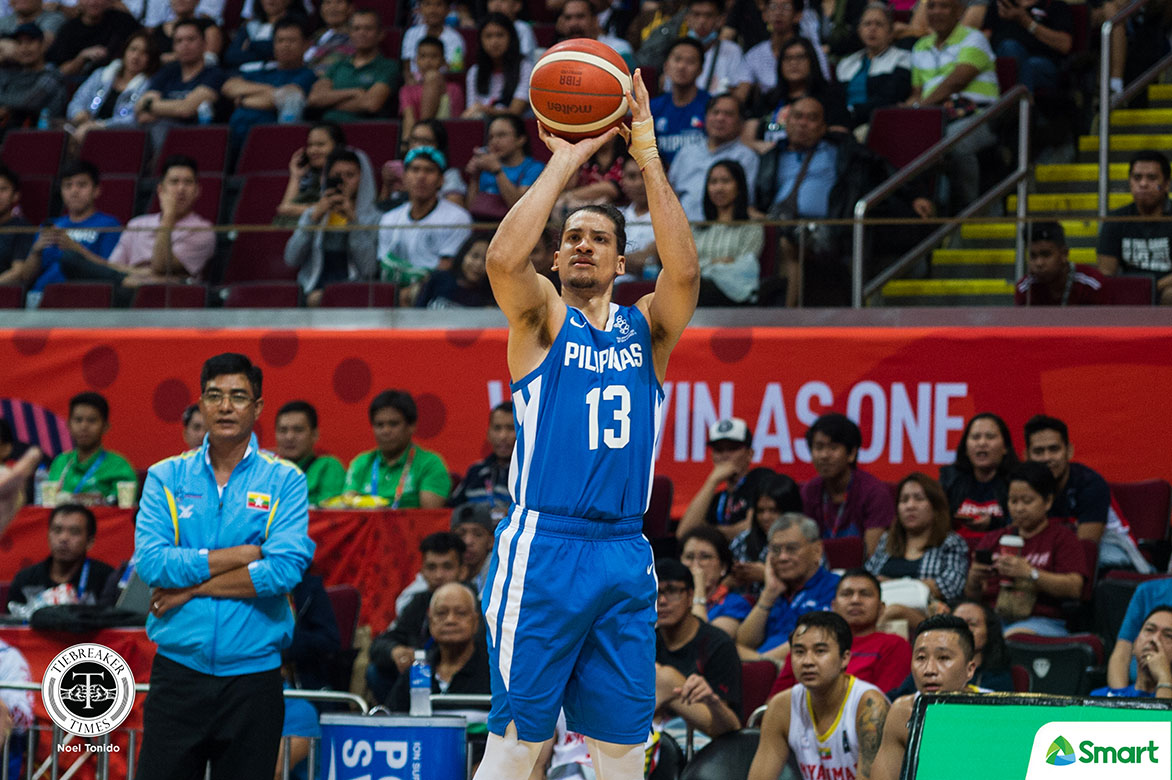
Despite these hurdles, Black managed to secure marquee names like Bobby Ray Parks, Thirdy Ravena, Robert Bolick, and Matthew Wright.
Jamie Malonzo became available after being cut from Kyoto, making him the only player from Tim Cone’s Gilas Pilipinas squad that Black could utilize.
Poy Erram was a welcome last-minute addition, providing much-needed height and presence.
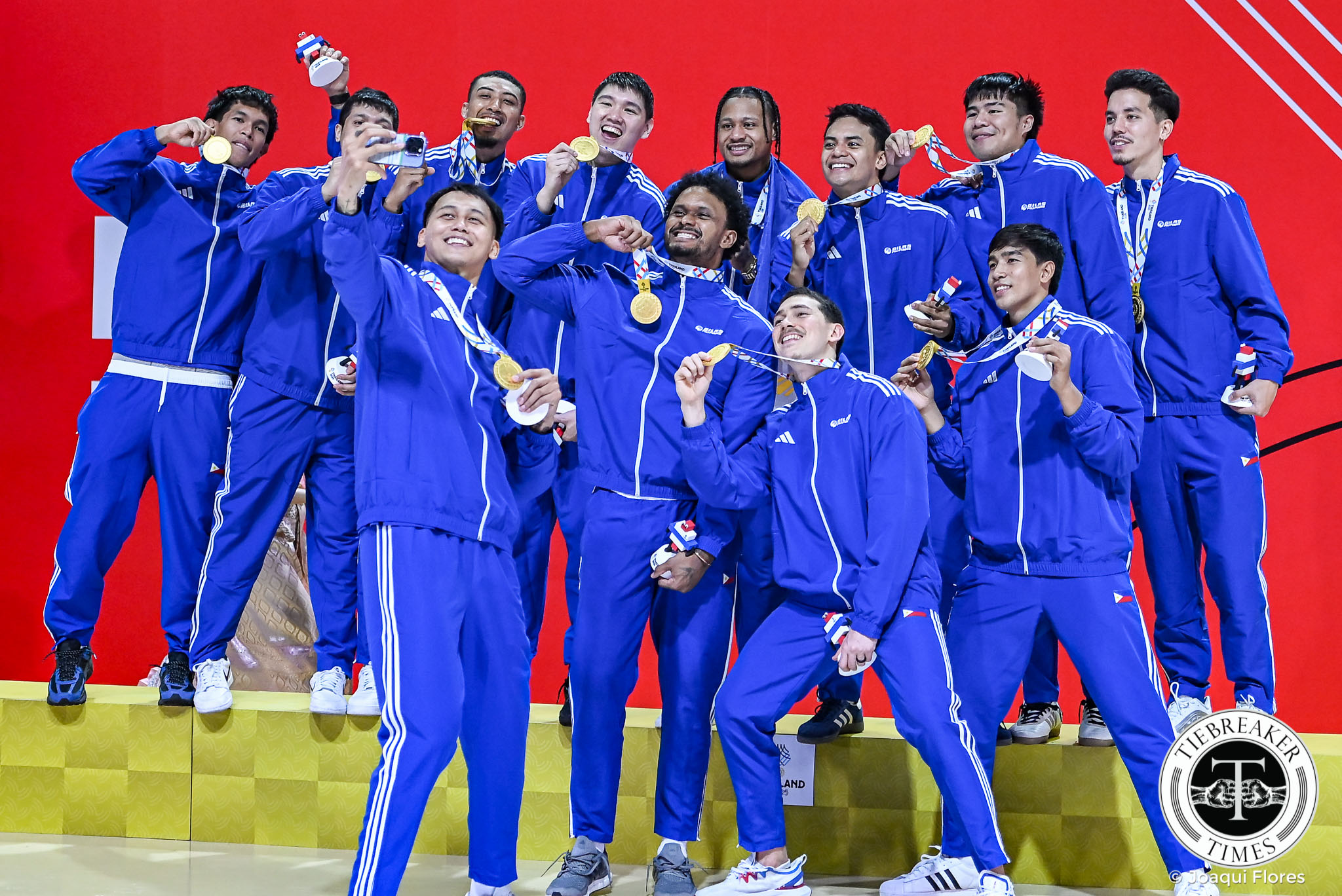
That Gilas Men still claimed SEA Games gold, despite the host country’s tactics, is a testament to Black’s masterful adjustments and the players’ dogged determination to succeed.
Echoes of 1993: A Ragtag Team Triumphs
The struggles and triumphs of Gilas Men in 2025 mirror another unlikely Philippine team that overcame tremendous odds to bring home gold at the 1993 SEA Games in Singapore.
A rift between the Basketball Association of the Philippines (BAP) and the Philippine Basketball League led to clubs refusing to lend their star players.
Two years prior, the Philippines had regained the SEA Games crown in Manila, narrowly defeating Thailand in a thrilling final.
There was a growing sense that the region was catching up, and the country needed its best amateurs to maintain dominance.
However, top amateurs like Marlou Aquino, Noli Locsin, Rey Evangelista, Boybits Victoria, Dennis Espino, Kenneth Duremdes, Vince Hizon, EJ Feihl, and Noynoy Falcasantos all skipped national team duties in 1993, forcing the BAP to take a different approach.
They appointed Tembong Melencio, one of the fiercest enforcers to wear the national team uniform and a two-time Olympian, as coach.
Melencio formed a squad devoid of big-name stars but brimming with the qualities he embodied: tough, feisty, rugged, and gritty.
The 53-year-old’s “Dirty Dozen” included Siot Tanquingcen, Rodney Santos, Ramon Singson, Poch Juinio, Peter Naron, Michael Orquillas, Cris Bade, Long David, Gilbert Castillo, Eric Gascon, and former pros Harmon Codinera and Onchie Dela Cruz.
Overcoming Odds to Stay on Top
The 1993 team faced repeated challenges during the tournament but always fought back.
They lost a preliminary match against Thailand but won enough to reach the semifinals.
There, they displayed remarkable heart against Indonesia, rallying from 13 points down in regulation and, thanks to Cris Bade, coming back from a 4-point deficit in overtime to steal the win.
The finals saw a rematch with Thailand. The Thais led 40-38 at halftime, but Peter Naron’s hot shooting, tallying 27 points, and Siot Tanquingcen’s brilliant playmaking fueled the RP Team’s comeback.
Poch Juinio sealed the victory with back-to-back baskets, and the Philippines triumphed 71-66, proving that a team doubted by critics could still deliver gold.
Fast forward 32 years to 2025, and history repeated itself.
Even in front of their home crowd and despite manipulations, Thailand could not defeat an ill-prepared Gilas Pilipinas squad, reaffirming the Philippines’ enduring supremacy in Southeast Asian basketball.