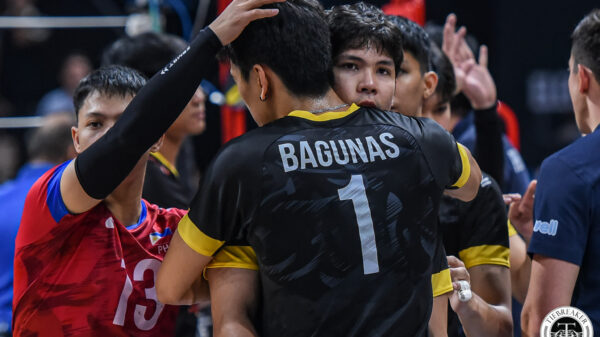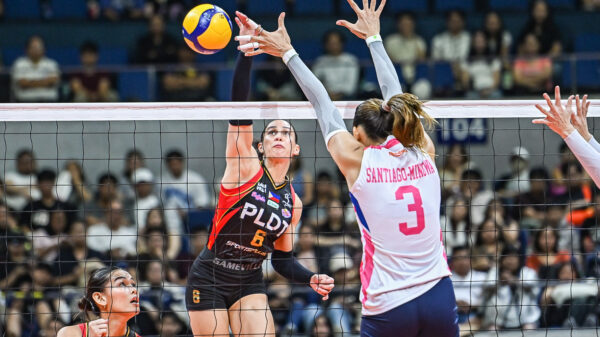









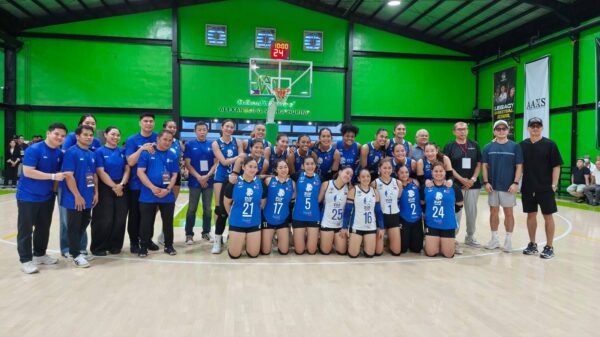












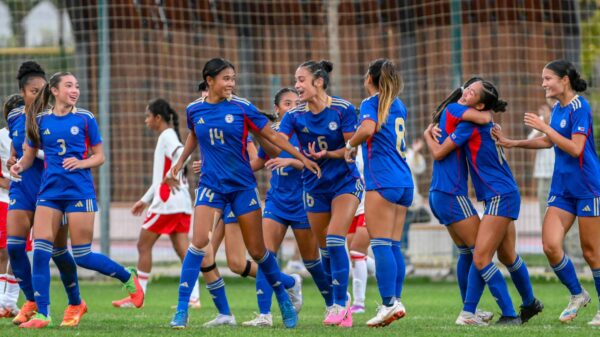













































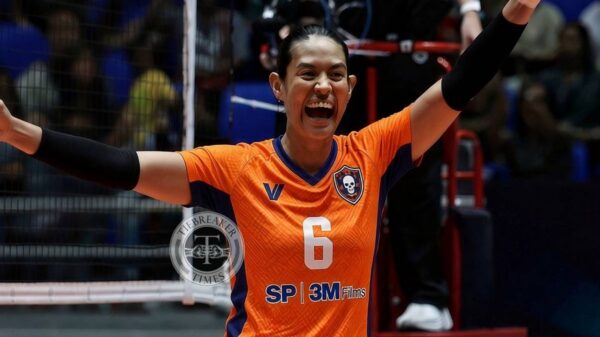


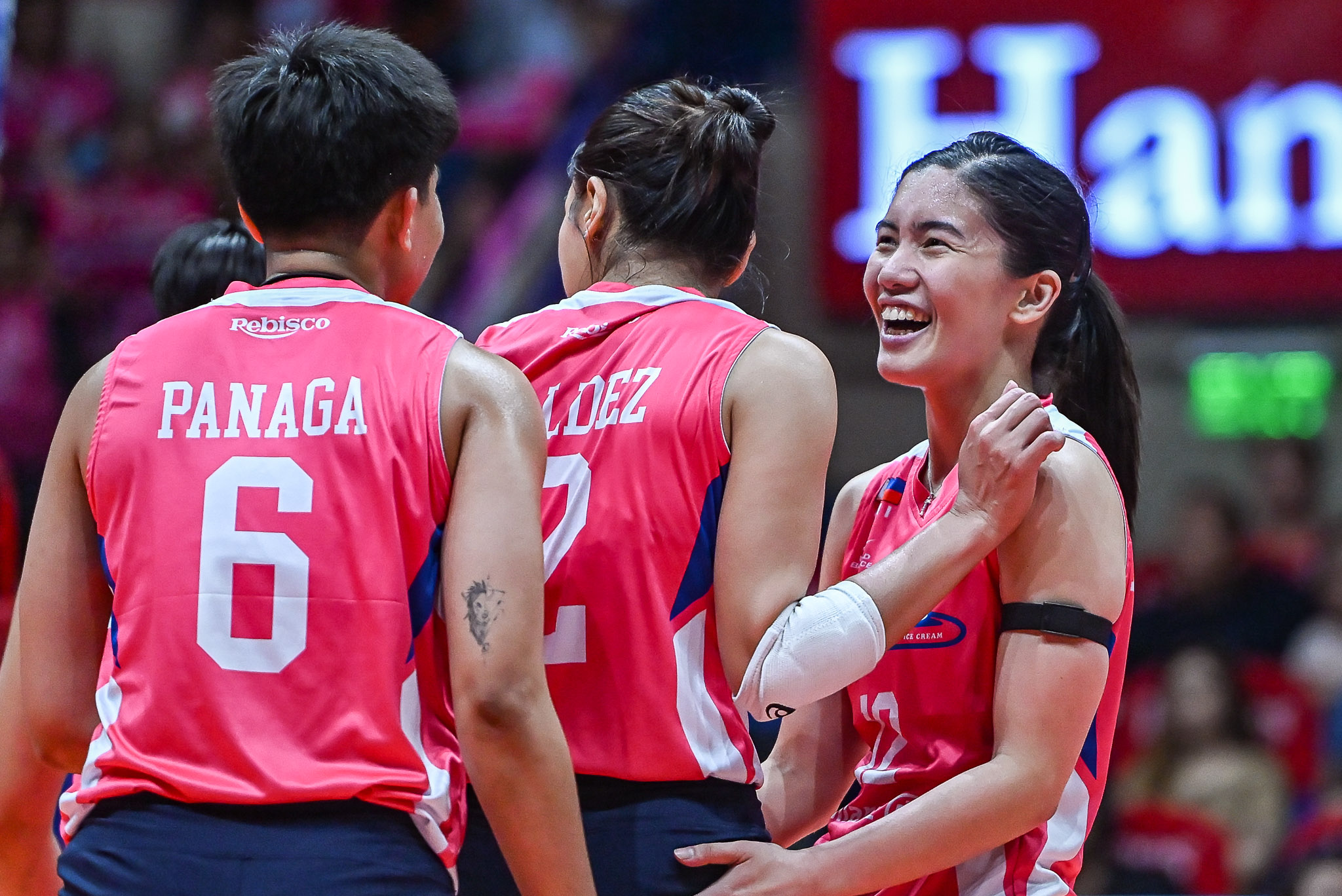


Amid the growing noise surrounding Alas Pilipinas and the Philippine National Volleyball Federation in recent weeks, team captain Jia De Guzman chose to speak up — not out of defiance, but out of duty.
For De Guzman, the conversation goes far beyond the present situation.
It is rooted in a deeper responsibility shared by those currently wearing the national colors: to leave Philippine volleyball in a better place than they found it.
“So responsibility din naman namin to try to leave it better than when we came in. So that’s what we’re trying to do,” said De Guzman, who still made her way to the press room to face the media despite dealing with a right knee injury she sustained in Creamline’s grueling five-set win over Cignal.
“We’re not just speaking up for the current roster. We’re also speaking up for the other people, other players who are dreaming of playing and repping the flag. We want them to come into a better system moving forward and raise Philippine volleyball,” she continued.
“So that’s why I felt it was very important for me to speak up also.”
The statement comes amid a wave of concerns that have surfaced over the past month, including issues on athlete welfare, delayed allowances, unpaid bonuses, and the proposed Alas Draft — an initiative of the PNVF that Ricky Palou, president of the Premier Volleyball League, has already confirmed will no longer push through.
“And I know most of you here know that I have been speaking about this many times throughout the many years that I’ve been playing, as both a national team player and a professional athlete.
“But I think what’s important right now is that even more people are speaking up about it because they care about the direction of Philippine volleyball, and that is something I share as well. So I think there are three main issues right now,” she added.
Addressing the situation, De Guzman pointed to several key areas that need urgent attention, stressing that the concerns go beyond compensation and touch on the overall welfare of the athletes.
“First, it’s athlete welfare in a complete sense, meaning it’s not just compensation, but development, preparation, and long-term sustainability. Second is the need for structured and meaningful competition as part of an athlete’s growth,” said the eight-time PVL Best Setter.
“That means it’s not just the volume of games that we play, but the right kind of exposure and at the right time.”
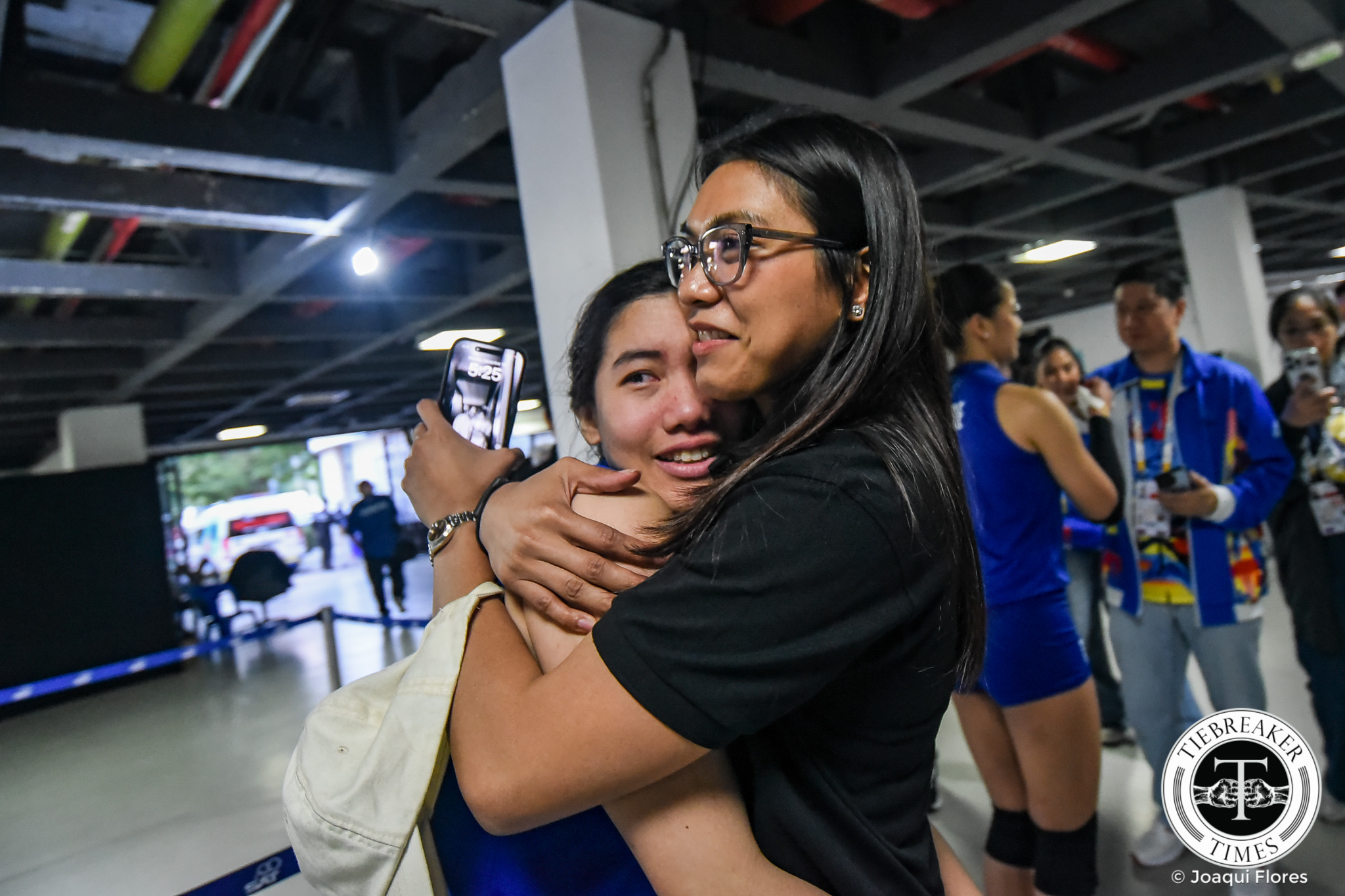
She emphasized the importance of proper development, thorough preparation, and long-term sustainability — factors she believes are essential in building a stronger national program.
De Guzman also highlighted the need for more structured and meaningful competition as a vital component of an athlete’s growth, before underscoring the importance of alignment among stakeholders — particularly between the PNVF and the PVL — to ensure a more cohesive direction for Philippine volleyball moving forward.
“It’s not just about playing the whole year. It’s having a system where competition, training, and recovery, all three of those are properly balanced. And the third is alignment, specifically between the federation and our local leagues,” she added.
For its part, the PNVF has already expressed openness to dialogue with the players in light of the recent concerns.
De Guzman echoed that sentiment, saying the players are also willing to engage, but stressed that the responsibility of initiating those conversations should not fall solely on them. Instead, she noted that there must be a more proactive effort from those in charge to bridge the gap.
“Of course, we’re open for dialogue. Even in the past generations, we were always open to dialogue. I think it’s just, you know, I don’t think that burden of initiating should fall on the players,” said De Guzman.
“Because we have always been open. So, yeah, we’re very hopeful. Because there are so many things that we can plan for moving forward, not just in the national team, not just in the men’s national team, which have played so well the past two years, or under-18, under-16, under-21 teams, who are playing well,” she continued.
“So, parang, let’s collaborate. Parang, there’s no better way to, you know, raise Philippine volleyball than to start right moving forward.”