












































The Philippines’ reign over the Asian Games has come to a cruel end.
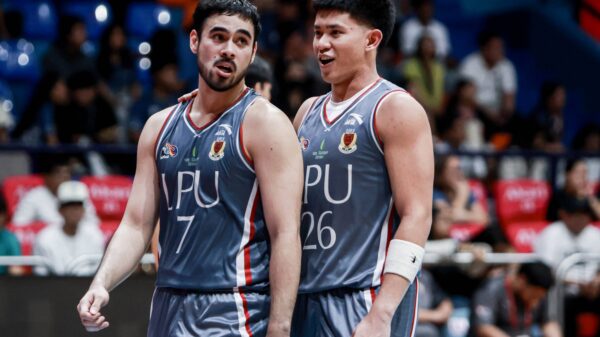
Gilas Pilipinas Men’s bid to defend its title came crashing down on Monday after suffering a 61–105 defeat to China at the Aichi International Arena in Japan, ending the Filipinos’ campaign.
The Filipino dribblers needed either an outright victory or a defeat by fewer than 38 points to secure one of the two best third-place spots across the three pools and advance to the quarterfinals.
However, the Chinese proved too imposing for the all-PBA squad. They sent the Philippines crashing out of the competition while ending its hopes of retaining the gold medal it won in Hangzhou three years ago.
The defeat also resulted in the Philippines’ worst finish in Asian Games men’s basketball history, with Gilas settling for ninth place.
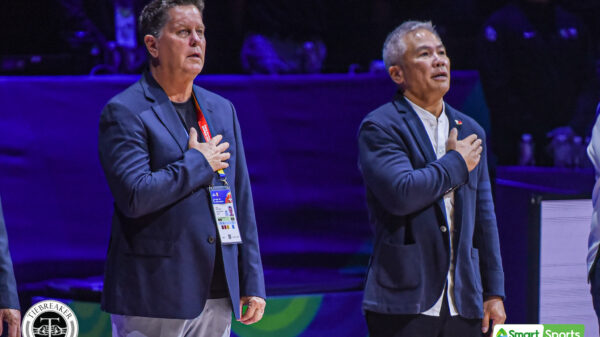
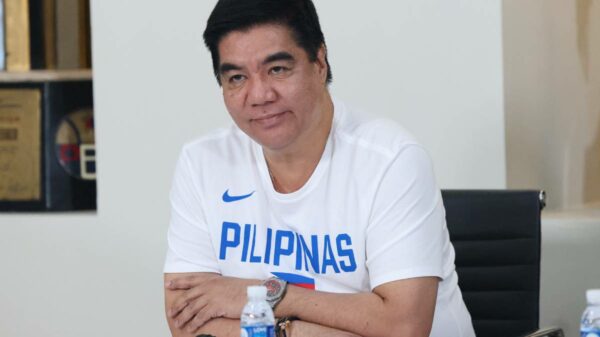
“It was a good thing we got the gold medal in Hangzhou, though we have to wait for five years to regain the gold medal,” said Philippine Olympic Committee president Bambol Tolentino.
While Tolentino looked back fondly on the Philippines’ historic triumph in Hangzhou, he could not hide his frustration over the composition of the team that represented the country in Aichi.
Three years ago in China, Gilas Pilipinas pulled off a Cinderella run despite a hastily-built roster. Naturalized Filipinos Justin Brownlee and Angelo Kouame both played crucial roles in ending the Philippines’ 61-year gold-medal drought in men’s basketball.
This time, however, the national team had no naturalized players available, putting the Philippines at a disadvantage. Nations like Bahrain and Jordan fielded multiple naturalized players.
“The question is: Why do the other countries have so many naturalized players? Why can’t we?” Tolentino lamented.
Brownlee was sidelined by an injury, while Kouame left in August to join his professional team in France.
Malick Diouf, meanwhile, was in the Philippines training with Abra Solid North for the East Asia Super League. Bennie Boatwright’s naturalization only lapsed into law on August 31, which proved too late to process his documents.
The absence of naturalized reinforcements left Gilas Pilipinas without the firepower that helped fuel its historic title run in Hangzhou. Now, the Philippines will have to wait another five years for a chance to reclaim the Asian Games crown.
The 21st Asian Games, scheduled to take place in Doha, Qatar, in 2031, will mark the next opportunity for Gilas Pilipinas to redeem itself on the continental stage.
The Olympic Council of Asia voted to move the Asian Games to odd-numbered years, bringing the event into closer alignment with the Summer Olympics.
The OCA’s decision to shift the Asian Games to odd-numbered years was driven by three key considerations.
The first is Olympic alignment.
By holding the Asian Games exactly one year before the Summer Olympics, the OCA hopes to create a more coordinated international sporting calendar.
The change could also provide athletes with a valuable platform for qualification and preparation ahead of the Olympics, allowing them to test themselves against elite competition before the global sporting spectacle.
Finally, the adjustment aims to reduce congestion in the international sporting calendar.